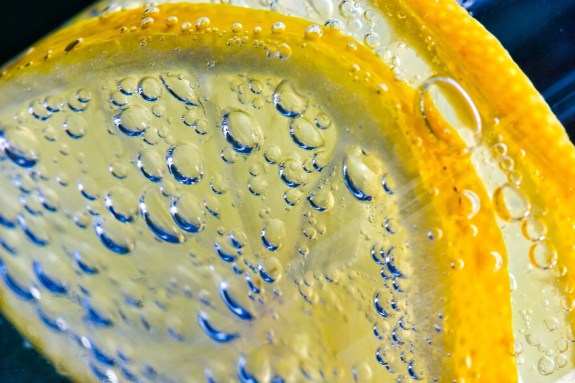
Category: Food

Food

  • Zest for Life and Chaga Tea

    Zest for Life and Chaga Tea

    The importance of lemon zest and Chaga Tea, for more peace of mind

    Everyday of living through political drama, aware of the danger related to the military, pharmaceutical industrial complex, takes a toll on the body and the mind. Attitude of gratitude is what we seek to be happy, nothing attracts abundance like a powerful zest for life. We are what we eat, so we need to know how to kick-it up a few notches.

    To make self-improvements, small things make big differences to fee better. It’s time for the Tree Planter Strategy but with a small upgrade; the “Zest of Lemon”. The lemon zest may be the simplest, most beneficial life-hack. So underrated and yet so important to good health. It’s impossible to ignore the power of citrus.

    My Tree Planter Tea recipe uses an entire lemon (plus zest) in a pot of steeped Chinese black tea, lot’s of turmeric, ginger, cayenne pepper to taste, one cinnamon stick and sweetened with pure organic maple syrup. I drink one small glass, twice per day.

    Intermittent fasting is so effective that it’s probably how we were supposed to be living. The idea of 3 square meals per day is insanity, especially as you age your metabolism slows. In most modern lifestyles we just don’t need allot of calories and I have learned that it’s easy to wait until well after noon to break my fast.

    Food is the key to your best state of mind

    Think about how much better you feel when control of the diet is managed correctly? Compare that to how you feel after a binge of heavy deep-fried food, bread and pastries, for example. We all know when we’re indulging and we all know how much better we feel when we’re eating minimal, light, healthy, nutritious meals. Having control of temptation is what gives us zest for life.

    Chaga Tea is another easy life-hack, to give you more peace of mind.

    Chaga’s health benefits can be attributed to the abundance of nutrients found in the mushroom interior as well as the outer bark. Some of these substances include:

    • Antioxidants: Chaga mushrooms have high levels of black pigment, which contains antioxidants, such as polyphenols.
    • Beta-D-glucans: Beta-glucans can potentially regulate your immune system and lower cholesterol and blood sugar levels.
    • Betulin and betulinic acid: Chaga mushrooms absorb these compounds from the tree bark as they grow. Researchers are studying ways to use betulin and betulinic acid to fight cancer.
    • Polysaccharides: Polysaccharides found within chaga chitin walls provide various health benefits, including maintaining healthy blood sugar levels and promoting liver, heart, and intestinal health.
    • Phytosterols: These compounds may help fight cancer cells and viruses.

    The fact is that we are at war with an enemy that wants most of us to die. War is an attrition game, so to win you must survive. The biological component of the war we are in, depends on your weakened immune system. The reason for egg factories being destroyed and supply chain of eggs being disrupted is that eggs are one of the best foods to fight against the bio-weapon.

    Chaga Tea is also one of the best ways to take steps to protect yourself against virus infection. Eating less is almost always a good idea, so it makes it all the more important to choose carefully, the things that become the daily habits. Remember to add a little lemon zest every day and learn the benefits of an alkaline diet.

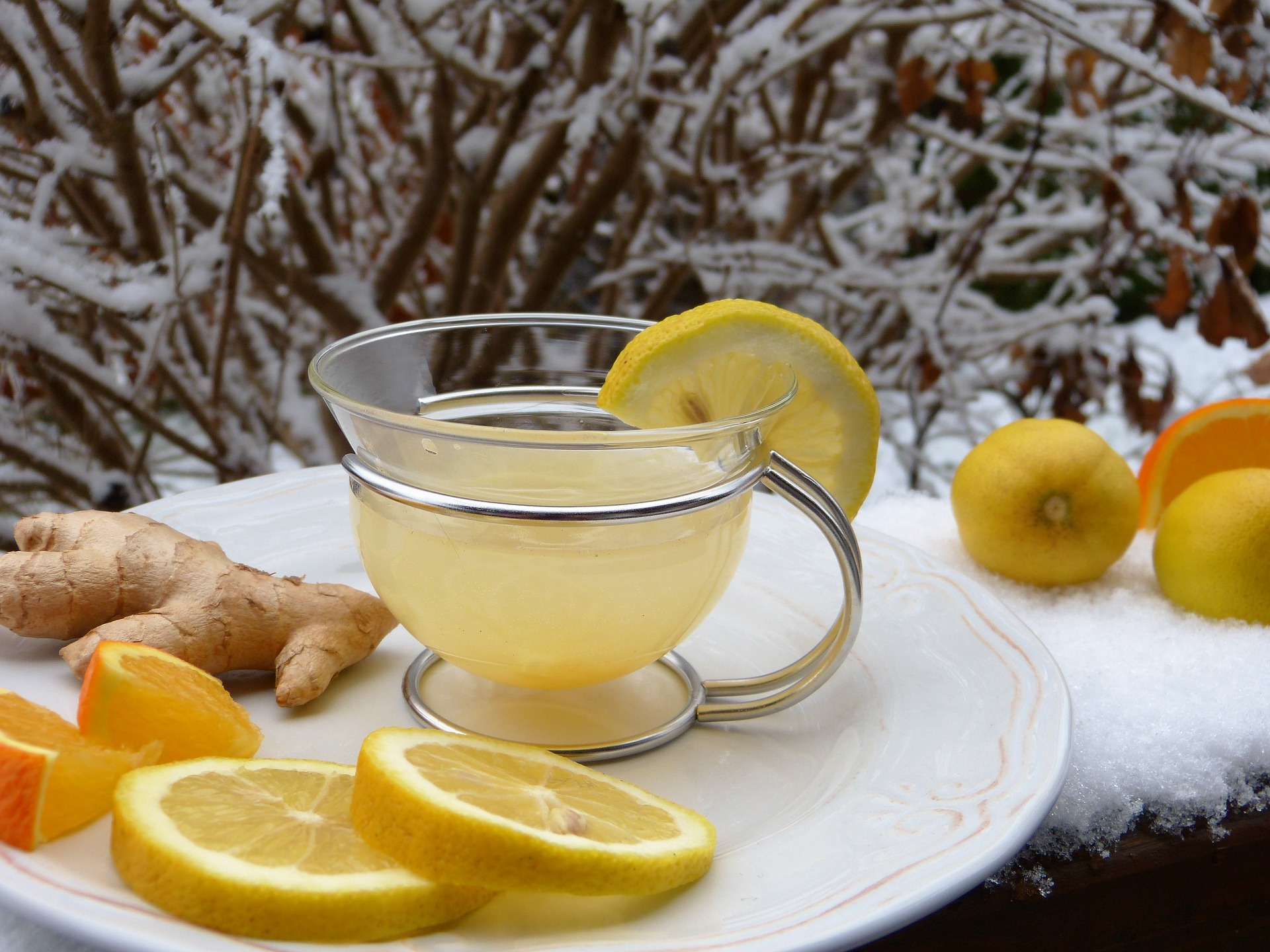
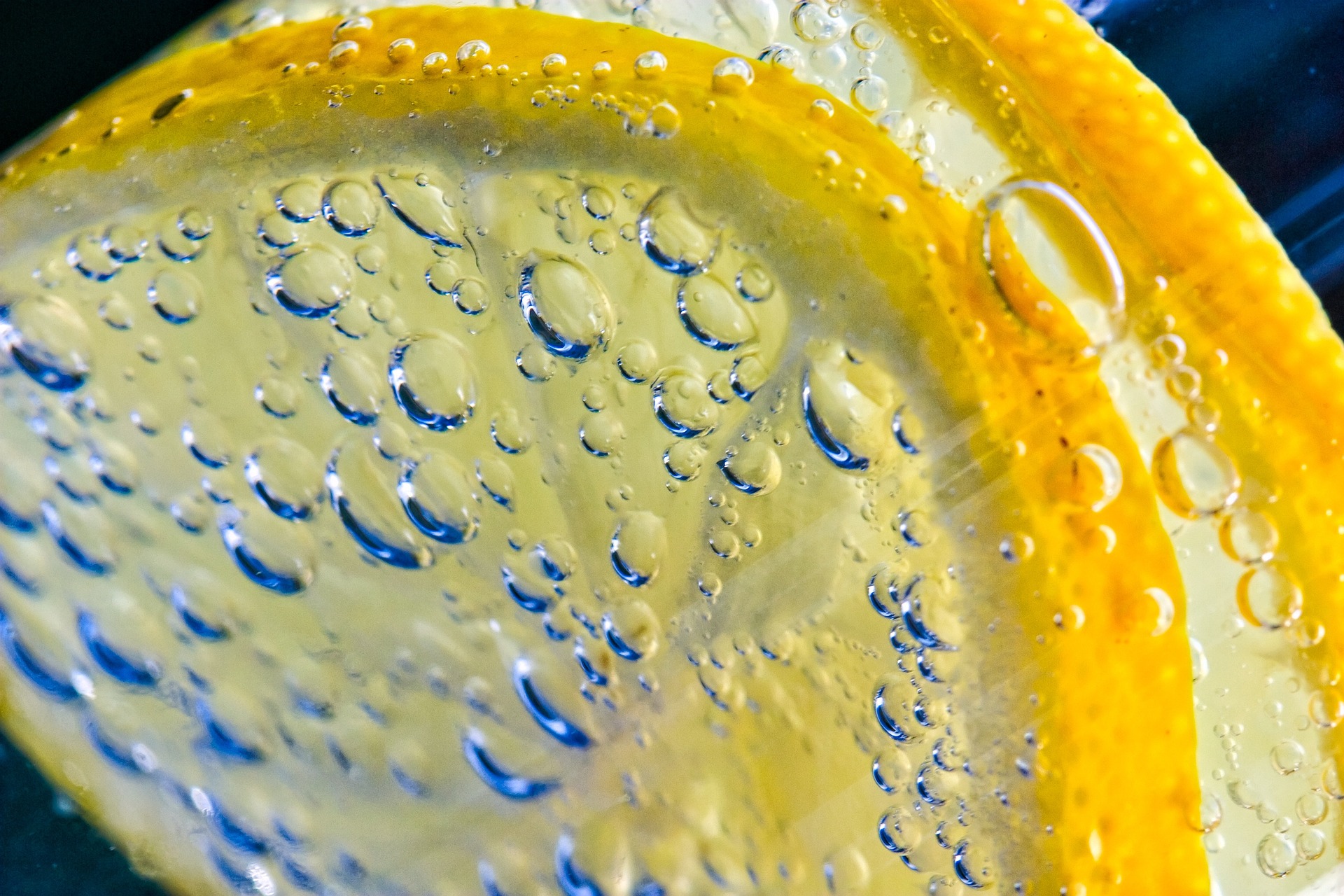
    Zest Image by Geraldine Dukes from Pixabay
  • Greek Salad is Essential Fundamental Knowledge

    Greek Salad is Essential Fundamental Knowledge

    Greek Salad

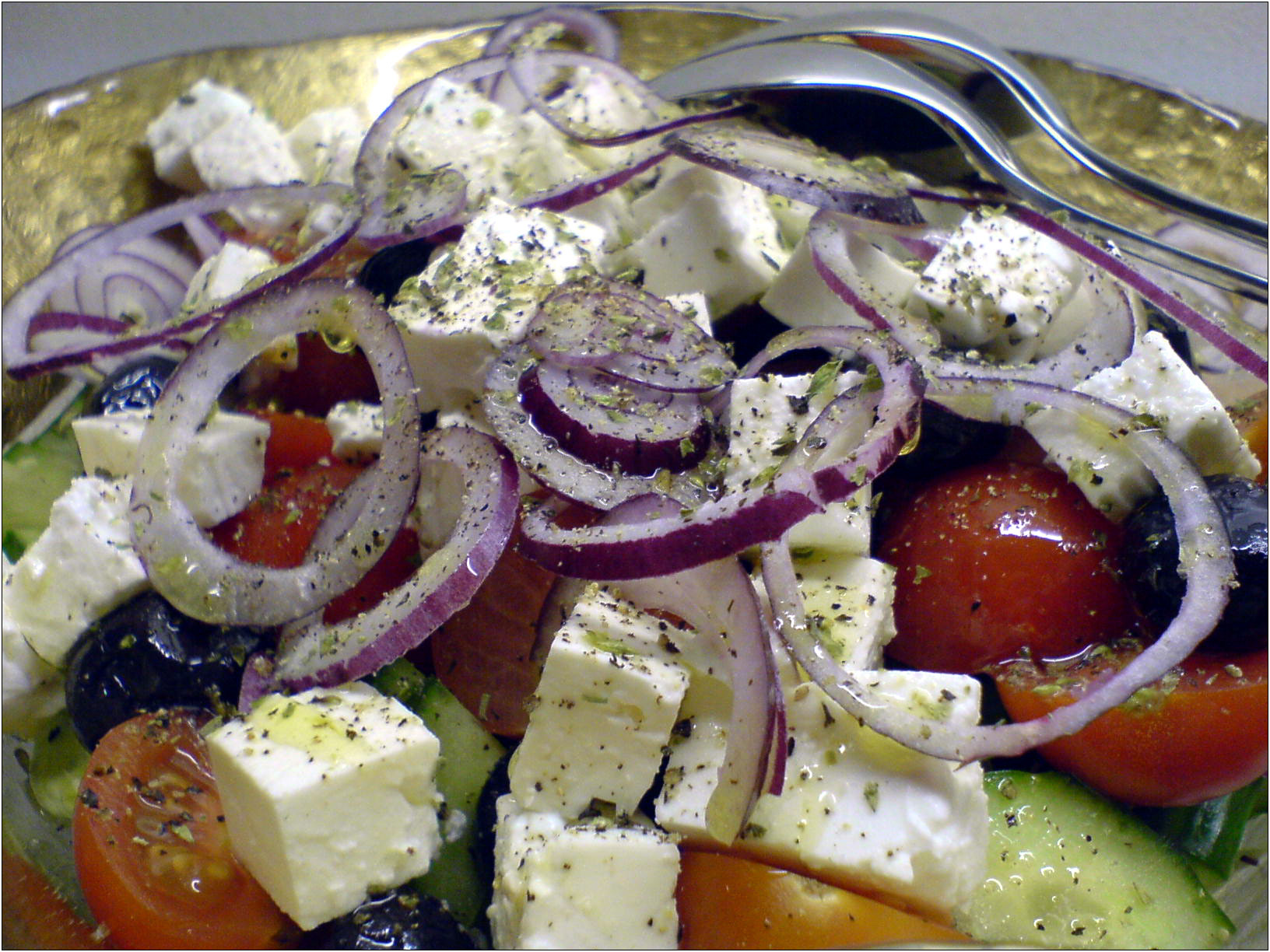
    Greek Salad is Necessary Fundamental Knowledge because if you know how to combine the correct ingredients, the sum magnify the total by cubed. Seriously, the best staple salad a person can learn is he Greek Salad

    Greek salad or horiatiki salad (Greek: χωριάτικη σαλάτα[a] or θερινή σαλάτα[b]) is a popular salad in Greek cuisine generally made with pieces of tomatoes, cucumbers, onion, feta cheese (usually served as a slice on top of the other ingredients), and olives (typically Kalamata olives) and dressed with salt, Greek oregano, and olive oil. Common additions include green bell pepper slices or caper berries (especially on the Dodecanese islands). Greek salad is often imagined as a farmer’s breakfast or lunch, as its ingredients resemble those that a Greek farmer might have on hand.[1]

    ✅Ingredients Greek Salad:

    • 1 English cucumber, diced

    • 1 pint cherry or grape tomatoes, halved

    • ½ medium red onion, thinly sliced

    • ½ cup Kalamata olives, whole or halved

    • 1 cup feta cheese, diced or crumbled Dressing:

    • ¼ cup extra virgin olive oil • ¼ cup lemon juice •

    2 tablespoons red wine vinegar • ½ teaspoon dried oregano

    • ¼ teaspoon salt, or to taste

    • ¼ teaspoon black pepper, or to taste

    ✅Instructions 1️⃣ In a large bowl, toss together cucumber, tomato, red onion, olives, and feta cheese.

    2️⃣ In a small mixing bowl, make your dressing by whisking together olive oil, lemon juice, red wine vinegar, oregano, salt, and pepper.

    3️⃣ Pour dressing over salad and toss to combine until dressing is evenly distributed. Serve. 🍴🍴🍴🍴🍴🍴🍴🍴🍴

    Thanks for watching! Don’t forget to push “LIKE,” leave a COMMENT below, and SUBSCRIBE! Feel free to SHARE this video too. SUBSCRIBE to my channel: http://youtube.com/thestayhomechef FACEBOOK: The Stay At Home Chef INSTAGRAM: TheStayAtHomeChef PINTEREST: The Stay At Home Chef TWITTER: TheStayHomeChef CONTACT ME: rachel@thestayathomechef.com ⭐⭐⭐⭐⭐ The Stay At Home Chef offers restaurant-quality recipes you can easily make at home. If you want to become a better cook, learn how to cook, or just need dinner ideas for your family, this channel is for you. We’re taking really good recipes and making them easy recipes that you can make at home in your own kitchen. Cooking, baking, how to, all things food, and more! ⭐⭐⭐⭐⭐

  • Chickpea or Garbonzo Bean and the Best of Both

    Chickpea or Garbonzo Bean and the Best of Both

    Hummus from The Nile

    Hummus and Pita bread was my first introduction to the humble chickpea. As a young man I travelled to Whistler for spring skiing and the favourite new discovery was Greek food and especially Hummus and Pita bread. When I think about it, this was my first foreign food aside from fake Chinese. Even sushi was just getting started in those days but American, Italian and Greek were the primary choices.

    Chana masala, India
    Chana masala, India

    Chickpea sprout

    Sprouted chickpea
    Chickpea sprout

    Years later I learned how to make Hummus and have decided that it’s such an important dish that I needed to write about it and the humble chickpea.

    My food preparedness includes lots of Chickpeas, both canned in water and dry.

    Garbanzo bean sounds more glamorous but it’s the same family as Chick pea. Its different types are variously known as gram or Bengal gram, garbanzo or garbanzo bean, or Egyptian pea. Chickpea seeds are high in protein. It is one of the earliest cultivated legumes, and 9500-year-old remains have been found in the Middle East.

    Chickpea pods

    Why all the fuss about the Chickpea?

    Lebanese-style hummus
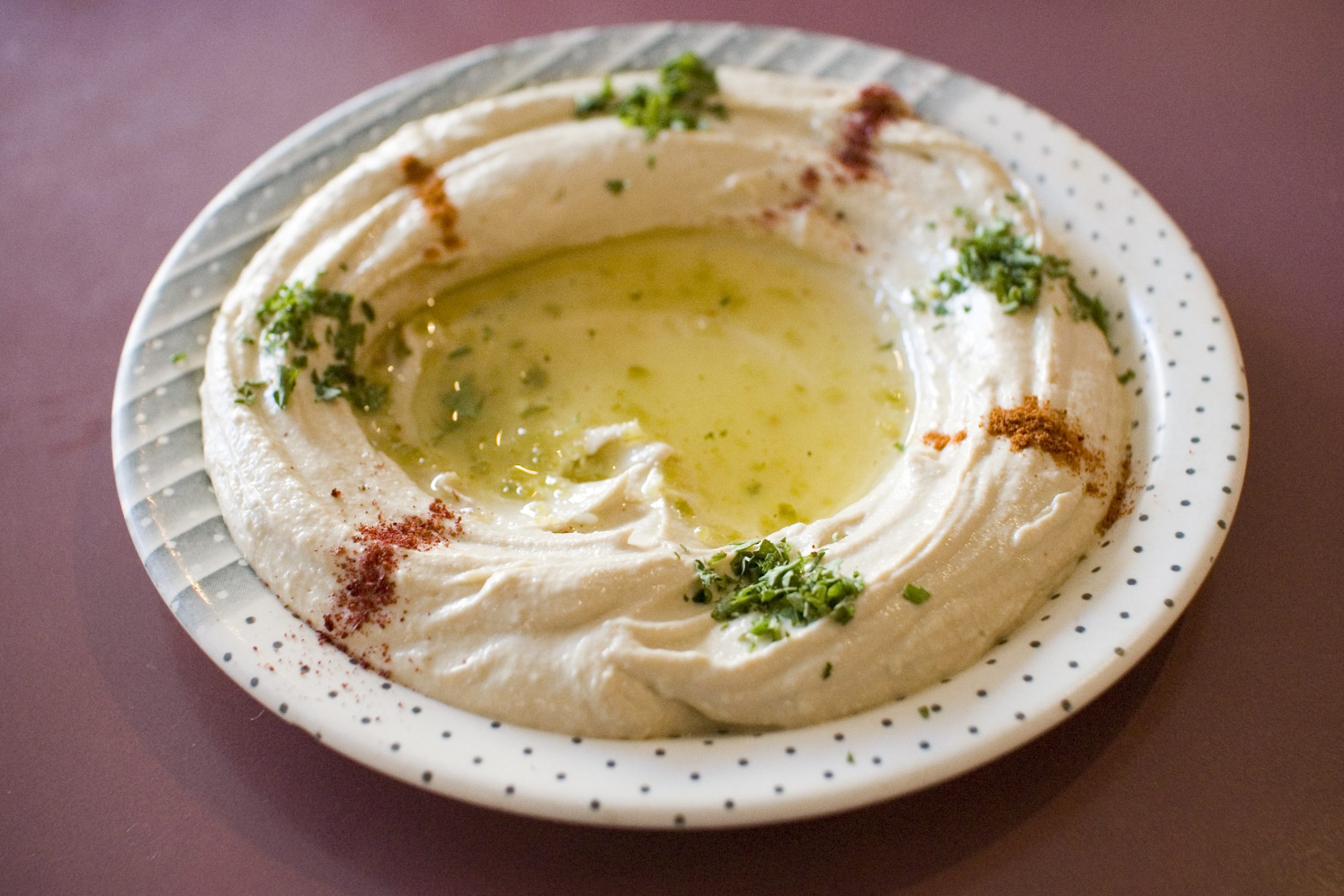
    Lebanese-style hummus. Hummus is in a brown ceramic bowl, with an indentation at the center containing olive oil and chickpeas. Hummus is sprinkled at the edges with paprika. Photo by Mr Hassan.

    Chickpea Culinary

    See also: List of chickpea dishes

    Chickpeas are usually rapidly boiled for 10 minutes and then simmered for a longer period. Dried chickpeas need a long cooking time (1–2 hours) but will easily fall apart when cooked longer. If soaked for 12–24 hours before use, cooking time can be shortened by around 30 minutes. Chickpeas can also be pressure cooked or sous vide cooked at 90 °C (194 °F).

    Mature chickpeas can be cooked and eaten cold in salads, cooked in stews, ground into flour, ground and shaped in balls and fried as falafel, made into a batter and baked to make farinata or cecina, or fried to make panelle. Chickpea flour is known as gram flour or besan in South Asia and used frequently in South Asian cuisine.

    In Portugal, chickpeas are one of the main ingredients in rancho, eaten with pasta and meat or with rice. They are used in other hot dishes with bacalhau and in soups, meat stews, and salads mixed with tuna and vegetables, olive oil, vinegar, hot pepper and salt. In Spain, they are used cold in tapas and salads, as well as in cocido madrileño.

    Hummus is the Arabic word for chickpeas, which are often cooked and ground into a paste and mixed with tahini (sesame seed paste), the blend called ḥummuṣ bi ṭaḥīna. Chickpeas are roasted, spiced, and eaten as a snack, such as leblebi. By the end of the 20th century, hummus had become commonplace in American cuisine. By 2010, 5% of Americans consumed hummus on a regular basis, and it was present at some point in 17% of American households.

    Chickpeas and Bengal grams are used to make curries and are one of the most popular vegetarian foods in the Indian subcontinent and in diaspora communities of many other countries served with variety of breads or steamed rice. Popular dishes in Indian cuisine are made with chickpea flour, such as mirchi bajji and mirapakaya bajji.

    In India, as well as in the Levant, unripe chickpeas are often picked out of the pod and eaten as a raw snack and the leaves are eaten as a leaf vegetable in salads. In India, desserts such as besan halwa and sweets such as mysore pak, besan barfi and laddu are made.

    Chickpea flour is used to make “Burmese tofu” which was first known among the Shan people of Burma. In South Asian cuisine the chickpea flour (besan) is used as a batter to coat vegetables before deep frying to make pakoras. The flour is also used as a batter to coat vegetables and meats before frying, or fried alone such as panelle (little bread), a chickpea fritter from Sicily.

    Chickpea flour is used to make the Mediterranean flatbread socca and called panisse in Provence, southern France. It is made of cooked chickpea flour, poured into saucers, allowed to set, cut in strips, and fried in olive oil, often eaten during Lent. In Tuscany chickpea flour (farina di ceci) is used to make an oven baked pancake: the flour is mixed with water, oil and salt.

    Chickpea flour known as kadlehittu in Kannada is used for making sweet dish Mysorepak.

    In the Philippines, chickpeas preserved in syrup are eaten as sweets and in desserts such as halo-halo.

    Ashkenazi Jews traditionally serve whole chickpeas, referred to as arbes (אַרבעס) in Yiddish, at the Shalom Zachar celebration for baby boys. The chickpeas are boiled until soft, and served hot with salt and lots of ground black pepper.

    Guasanas or garbanza is a Mexican chickpea street snack. The beans, while still green, are cooked in water and salt, kept in a steamer to maintain their humidity, and served in a plastic bag.

    A chickpea-derived liquid (aquafaba) can be used as an egg white replacement to make meringue or ice cream, with the residual pomace used as flour.

  • God Made Beer so People Could Party

    God Made Beer so People Could Party

    God made Beer so ugly people would get laid, is how the original slogan goes. That is the most politically incorrect thing I have ever written here and may, or may not be true. I think God made beer so we could enjoy his spirit together, in joy.

    Fermentation is part of the story of mankind, we evolved with beer as a catalyst. The roots of our creation have been watered with beer, it’s invention was one of the first things we learned. Everywhere we went we brought our brew, the very word “culture” shares the concept of enjoying our favourite drink together.

    Alcohol is called “Spirits”, do we make a God connection? I say yes, especially upon contact and in a group. Alcohol definitely provides an uplifting feeling and deserves the term “Spirits” but too much Alcohol can introduce evil spirits that take us away from God.

    Jesus enjoyed a beer or two but probably his mother Mary preferred wine. The reason they drank alcohol in history, was to celebrate special events like a wedding, as a group (or party).

    History of Beer

    Beer is one of the oldest and most widely consumed alcoholic drinks in the world, and the third most popular drink overall after water and tea.

    Some of humanity’s earliest known writings refer to the production and distribution of beer: the Code of Hammurabi included laws regulating beer and beer parlours.

    God Made Beer so People Could Party!

    I could write a book on beer, as I’ve travelled the globe and sampled the brew around the world. The coldest beer in the hottest place, is where the best memories are made. Australia Outback… Victoria Bitter comes to mind. Or a cold beer after a twelve hour day working in 40 below on a pipeline job, would remind me of Lucky Lager from Canada.

    Europeans perfected brewers about 500 years ago. Heineken from Holland has held the number one spot for over a century. The Budweiser yeast and recipe was purchased from the brewery in Czechoslovakia and moved America, it’s never stopped growing and letting people party.

    D. G. Yuengling & Son is the oldest operating brewing company in America, established in 1829.

    North America’s Best

    Yeungling is the oldest operating brewing company in America, established in 1829 and Sleeman in Canada has been brewing since 1834 with the same recipes. These are the two best beers in the world.

  • Tree Planter Tea Strategy

    Tree Planter Tea Strategy

    To endure one of the toughest jobs I ever had, which was to plant trees in British Columbia, the best tip I learned, was how to make what I now call “Tree Planter Tea”.

    The reason BC tree planting is the toughest job is because of the environment that you live and work in, for weeks at a time is completely in the “bush”. The tea was the best tip is because it’s not easy to sustain energy when carrying heavy loads of trees, often plugs but mainly bare-root, up and across massive clear cuts, on the sides of mountains.

    The terrain and weather conditions, especially if it’s coastal planting, drain the body of it’s vital strength. The high performance veterans in the industry, back my day, were a team of women that lived on the tea and paced themselves.

    That gang of women, were the top professional tree planters. Their secret to success was to not burn out and the key to physical endurance is diet and lifestyle. The key to the diet was the tea, the reason I’m telling you this is because if you learn how to make this and drink it every day, on a regular basis, you will notice the difference.

    Essentially the OG (original) recipe was lemons, ginger, turmeric, cayenne pepper and maple syrup and orange pekoe tea. My version kicks it up a notch by adding beet juice from boiling two full size beets cut into eight pieces, then simmer for an hour to make the juice. Also, steep a full pot of high-quality black tea from China, using a tea ball.

    When incorporating all the ingredients, it’s important to simmer for long enough that the cinnamon sticks release flavour. Then balance the cayenne pepper and maple syrup to taste.

  • Glutathione Neutralizes Free Radical Toxcity

    Glutathione Neutralizes Free Radical Toxcity

    Glutathione neutralizes Free Radical Toxcity as a process in the human body, known as Homeostasis. In biology, homeostasis is the state of steady internal, physical, and chemical conditions maintained by living systems. This is the condition of optimal functioning for the organism and includes many variables, such as body temperature and fluid balance, being kept within certain pre-set limits (homeostatic range). Other variables include the pH of extracellular fluid, the concentrations of sodium, potassium and calcium ions, as well as that of the blood sugar level, and these need to be regulated despite changes in the environment, diet, or level of activity. Each of these variables is controlled by one or more regulators or homeostatic mechanisms, which together maintain life.

    Glutathione may be the single greatest key to good health and believe it or not… only recently did I hear about Glutathione and it’s nemesis Reactive oxygen species (ROS) are highly reactive chemicals formed from O2, in other words; opposite of an anti-oxidant, the very thing that makes us age, tire easily and become unwell, is known as oxidative stress.

    Glutathione exists in reduced (GSH) and oxidized (GSSG) states. The ratio of reduced glutathione to oxidized glutathione within cells is a measure of cellular oxidative stress where increased GSSG-to-GSH ratio is indicative of greater oxidative stress. In healthy cells and tissue, more than 90% of the total pool is in the reduced form (GSH), with the remainder in the disulfide form (GSSG).

    Learning about strengthening my immune system is the purpose for this post. My curiosity is focused on what foods to eat and how to improve my diet, to add ingredients that increase my production of Glutathione and also supplement Vitamin D, E and C with natural foods. Decades ago I was involved in “Nutrition for Life” and other vitamin companies, even toured production plants and learned allot about vitamins, minerals and Naturopathy. To this day I am a believer in Natural homeostasis.

    Because direct supplementation of glutathione is not successful, supply of the raw nutritional materials used to generate GSH, such as cysteine and glycine (found in whole foods), may be more effective at increasing glutathione levels. Other antioxidants such as ascorbic acid (vitamin C) may also work synergistically with glutathione, preventing depletion of either.

    The Science of Glutathione and Alcohol

    Food Photo by Monika Grabkowska on Unsplash

  • Apples, Oranges and Angels in the Age of Exploration

    Apples, Oranges and Angels in the Age of Exploration

    An apple a day keeps the doctor away, so they say. Such simple logic must have reason for being so widely known, so well known in fact, that no-one claims to know who started it. Easy rhyme made last forever but if truth were known, it’s oranges and angels that protect us.

    Oranges are so amazing that they should have a poem about Angels to connect them together. Perhaps the name is the hidden clue, or maybe the color itself should have been enough to know that something very heavenly exists, inside that most flawless skin.

    Of all the foods on earth, the food of the Angels, must be oranges.

    In 1536, the French explorer Jacques Cartier, exploring the St. Lawrence River, used the local natives’ knowledge to save his men who were dying of scurvy. He boiled the needles of the arbor vitae tree (eastern white cedar) to make a tea that was later shown to contain 50 mg of vitamin C per 100 grams. Such treatments were not available aboard ship, where the disease was most common.

    In February 1601, Captain James Lancaster, while sailing to Sumatra, landed on the northern coast to specifically obtain lemons and oranges for his crew to stop scurvy. Captain Lancaster conducted an experiment using four ships under his command. One ship’s crew received routine doses of lemon juice while the other three ships did not receive any such treatment. As a result, members of the non-treated ships started to contract scurvy, with many dying as a result.

    During the Age of Exploration (between 1500 and 1800), it has been estimated that scurvy killed at least two million sailors. Jonathan Lamb wrote: “In 1499, Vasco da Gama lost 116 of his crew of 170; In 1520, Magellan lost 208 out of 230;…all mainly to scurvy.”

    In 1579, the Spanish friar and physician Agustin Farfán published a book in which he recommended oranges and lemons for scurvy, a remedy that was already known in the Spanish Navy.

    In 1593, Admiral Sir Richard Hawkins advocated drinking orange and lemon juice as a means of preventing scurvy.

    In 1614, John Woodall, Surgeon General of the East India Company, published The Surgion’s Mate as a handbook for apprentice surgeons aboard the company’s ships. He repeated the experience of mariners that the cure for scurvy was fresh food or, if not available, oranges, lemons, limes, and tamarinds. He was, however, unable to explain the reason why, and his assertion had no impact on the prevailing opinion of the influential physicians of the age, that scurvy was a digestive complaint.

    Oranges and Angels are two things I believe in, one is now easier than the other to prove but both have been here all along, ready to make us better.

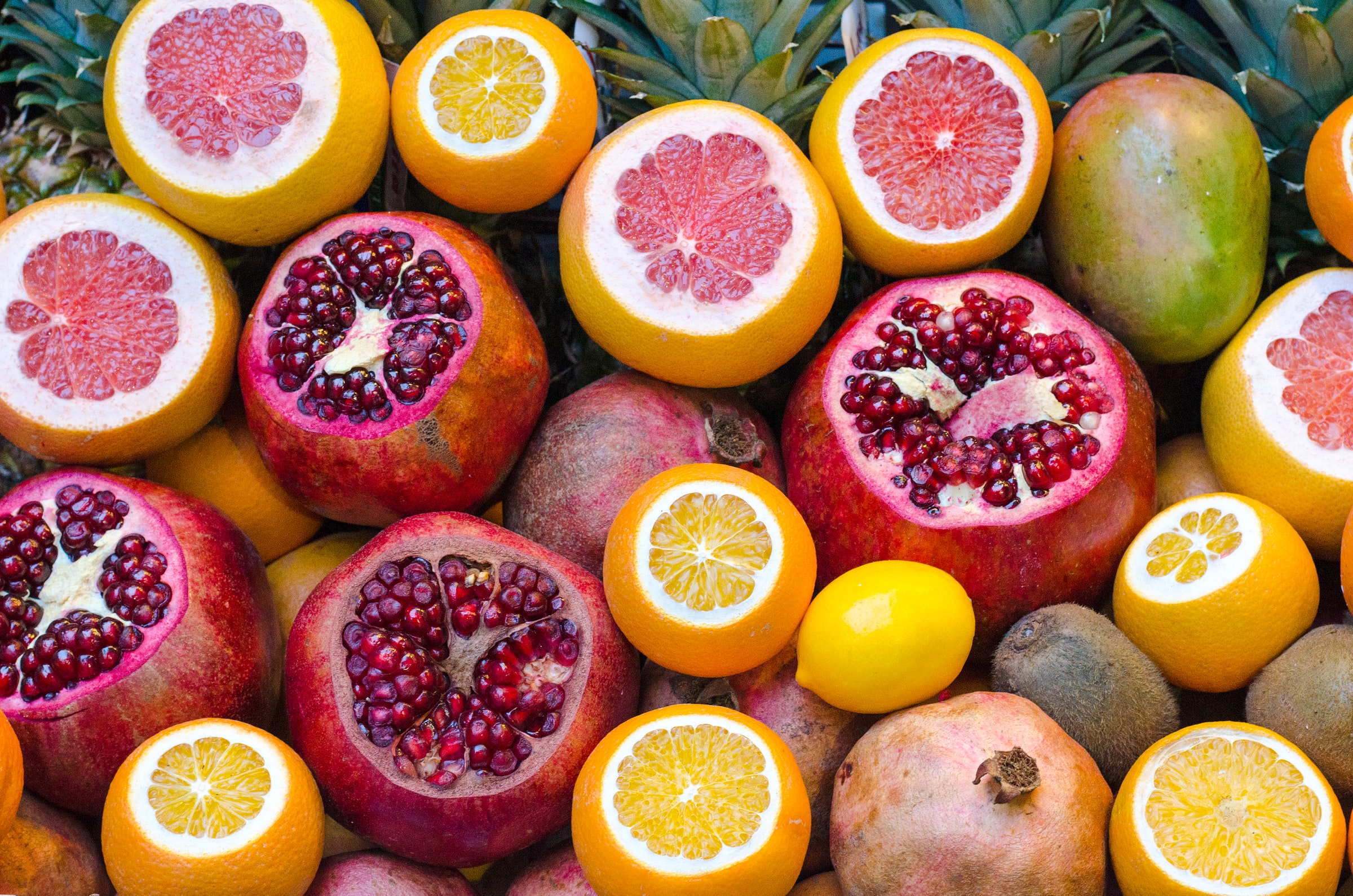
    Oranges Photo by Luke Michael on Unsplash

  • Cabbage Soup Diet Recipe

    Cabbage Soup Diet Recipe

    Every year about this time (after Christmas holidays) I go searching online for the Cabbage Soup Diet Recipe. This year it’s not to lose weight but rather to cleanse my body, as I did indulge in anything delicious offered over the month of December and now it’s time for a cleanse.

    Travel is in the future for me, so I intend to detox and parasite purge, using homeopathy formula of wormwood and black walnut (common in health food shop). Tastes horrible (drops under the tongue) but works great and helps your immune system by purging parasites that lives in our body, then when new foreign food and water is introduced overseas, your body has no old parasites reacting to cause your immune system to kick in to high gear.

    New Year resolution for me, is to eat more types of vegetables

    Now that I reduced meat and poultry, it’s replaced with fruit and I feel very lucky to love fruit and have access to excellent selection of premium quality fruit. Compared to meat and poultry the costs is a savings, so the only problem is eating all fruit and vegetables before the wilt.

    Cabbage Soup Ingredients

    Ingredient Checklist

    • 2 tablespoons extra-virgin olive oil
    • 1 medium onion, chopped
    • 2 medium carrots, chopped
    • 2 stalks celery, chopped
    • 1 medium red bell pepper, chopped
    • 2 cloves garlic, minced
    • 1 ½ teaspoons Italian seasoning
    • ½ teaspoon ground pepper
    • ¼ teaspoon salt
    • 8 cups low-sodium vegetable broth
    • 1 medium head green cabbage, halved and sliced
    • 1 large tomato, chopped
    • 2 teaspoons white-wine vinegar

    The cabbage soup diet is perfect for an entire week and will make you feel great. It’s all about discipline to take control of your own health, so as a suggestion during the week of disciple add a shot of pure Apple Cider Vinegar to help your liver cleanse along with your digestive tract.

    Best wishes for a healthy, happy and prosperous 2021.

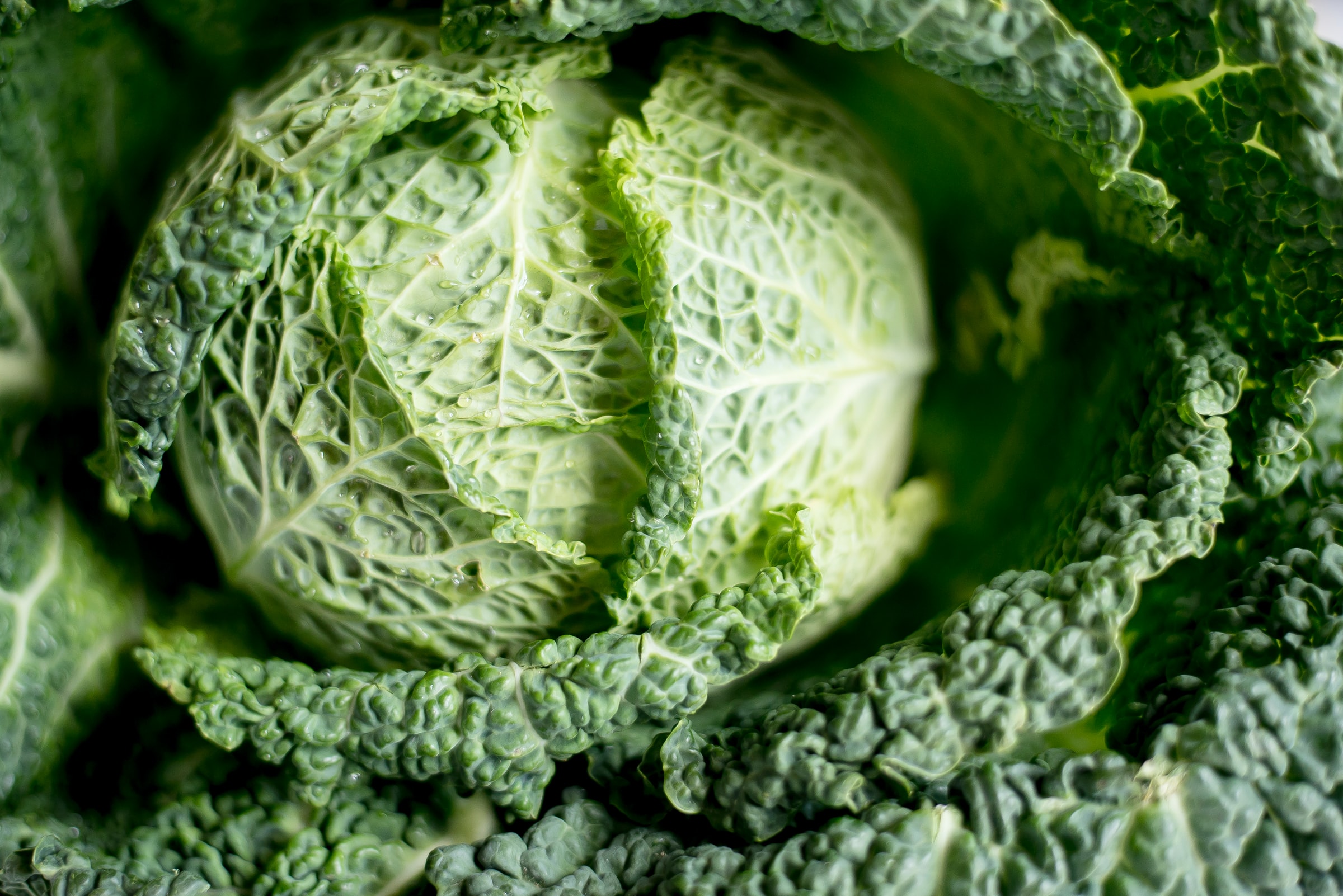
    Cabbage Photo by Anne Allier on Unsplash

  • Hawaiian Spirulina, MCT Oil and Ormus for Optimum Health

    Hawaiian Spirulina, MCT Oil and Ormus for Optimum Health

    Hawaiian Spirulina

    It has never been so important to obtain optimum health and fitness, recently I gave up meat and made key changes in my diet. Hawaiian Spirulina, MCT Oil and Ormus have now become my go-to daily regime, and always evangelizing super-foods, these are three of the best.

    Pure Hawaiian Spirulina powder is so fabulous that they can be felt on contact and when added to smoothies tastes, to me, like something so vital and rich as a life-energy, it’s delicious.

    One note of caution; the pure spirulina powder is dark green and can make your teeth and lips go deep purple, so you want to look in the mirror afterwards. I add one small scoop to fruit juice and like the taste but some people might prefer the capsules.

    Blue Green Algae from Kalamath Falls in Oregon is how I first learned about algae and it’s rich phyto-nutrient cargo of anti-oxidants. There are several reliable sources but lately I’ve been buying Gandolph’s Hawaiian Spirulina.

    MCT Oil is pressed from Coconuts and it’s easy to add and a shot and tastes like coconut but Ormus is the thing that requires a little more research. When information about something seems to be repressed, it’s most likely because it’s very threatening to big Pharma. Ormus is a miracle source of trace elements derived from common sea water.

    After 29 years of being involved in nutritional products, I’m glad to see the transitions away from vitamin pills to raw natural earth super-foods. Our bodies require such small amount to thrive, compared to the old “three squares a day” but we do eat must be beneficial.

    An apple a day keeps the doctor away… just add an a few more pieces of fruit to that but pour on the Hawaiian Spirulina, MCT Oil and Ormus to upgrade the fuel for your body and mind.

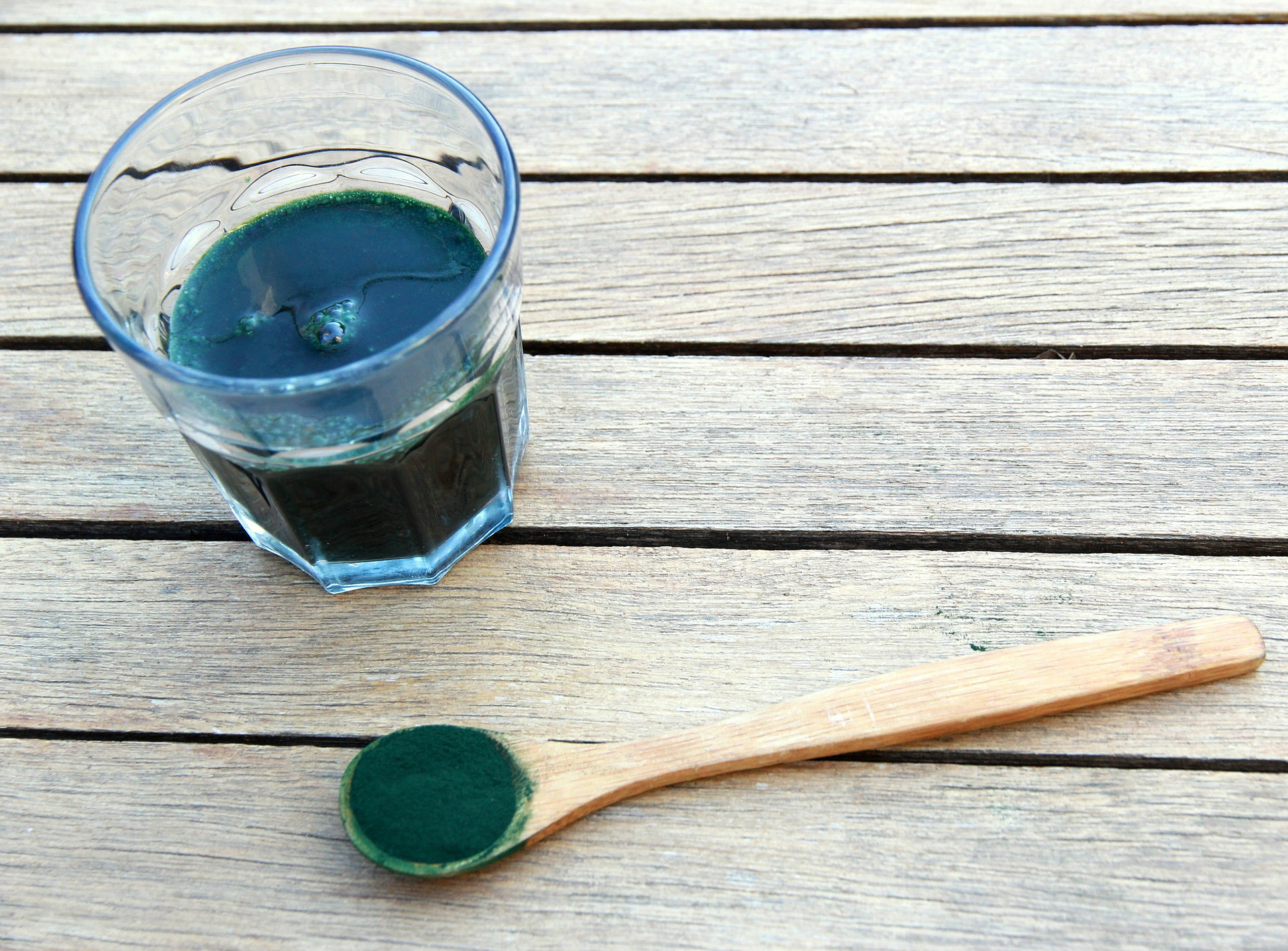
    Image by Anaïs CROUZET from Pixabay

  • Optimum Nutrition Survival Food

    Optimum Nutrition Survival Food

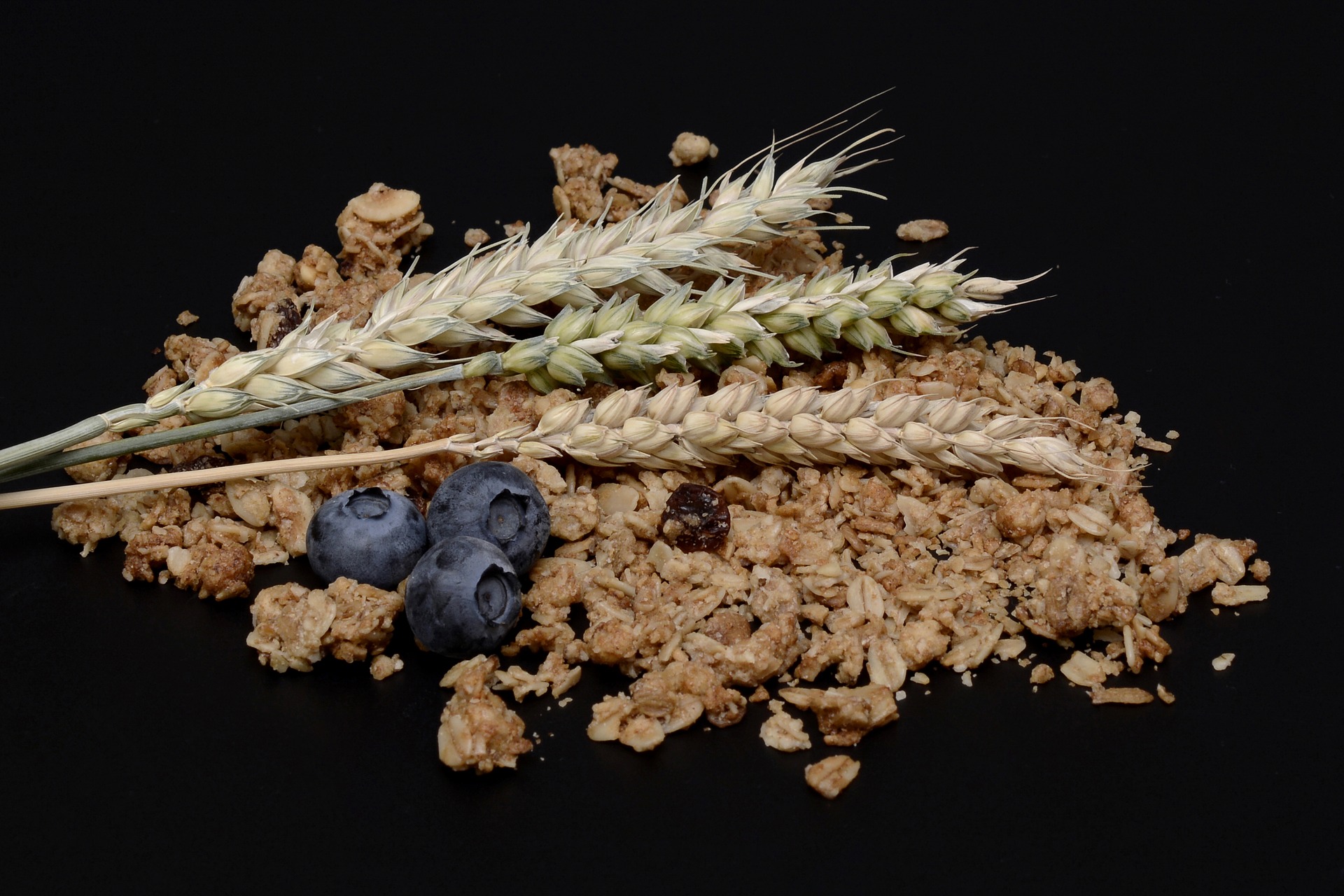
    I never wanted to write about prepping, which was a bigger trend a few years ago than it is now but it’s one of those topics I need to research to learn for my own curiosity. My favourite survival food is muesli but you can’t live on granola alone.

    Actually glad that I hadn’t invested more in the food supplies I already hoard, along with bug-out bag and some survival gear but not much more than camping equipment and dry goods.

    Now my curiosity is aimed more at what would be the highest quality food that people take on mountaineering expeditions, and/or recreational outdoor sports nutrition. Even thinking about natural foods too.

    So this page will be dedicated to dropping in some ideas and links, images and ideas about the best food for optimum nutrition survival food but what tastes best, last longest and is easiest to buy, make and store.

    MREs are the main operational food ration for the United States Armed Forces. It originated from the c-rations and k-rations from World War II, and later developed into MCI (Meal, Combat, Individual) rations used in Korea and Vietnam. In 1980 the MRE was developed and is still the U.S. Army’s primary ration.

    A French Army combat ration, with two meals and energy bars.

    Canada provides each soldier with a complete pre-cooked meal known as the IMP (Individual Meal Pack), packaged inside a heavy-duty folding paper bag. There are 5 breakfast menus, 6 lunch menus, and 6 supper menus. Canadian rations provide generous portions and contain a large number of commercially available items. Like the US ration, the main meal is precooked and ready-to-eat, packed in heavy-duty plastic-foil retort pouches boxed with cardboard. Typically, the ration contains a meal item (beans and wiener sausages, scalloped potatoes with ham, smoked salmon fillet, macaroni and cheese, cheese omelette with mushrooms, shepherd’s pie, etc.), wet-packed (sliced or mashed) fruit in a boxed retort pouch, and depending on the meal a combination of instant soup or cereal, fruit drink crystals, jam or cheese spread, peanut butter, honey, crackers, bread (bun) compressed into a retort pouch, coffee and tea, sugar, commercially available chocolate bars and hard candy, a long plastic spoon, paper towels and wet wipes. Canada also makes limited use of a Light Meal Pack containing dried meat or cheese, dried fruit, a granola bar, a breakfast cereal square, a chocolate bar, hard candy, hot cocoa mix, tea, and two pouches of instant fruit drink. Canadian ration packs also contain a book of cardboard matches.

    Here’s my idea of the best plan for Optimum Nutrition Survival Food, although more protein would be necessary.