Tag: China

  • Wilful Blindness: How a network of narcos, tycoons and CCP agents infiltrated the West

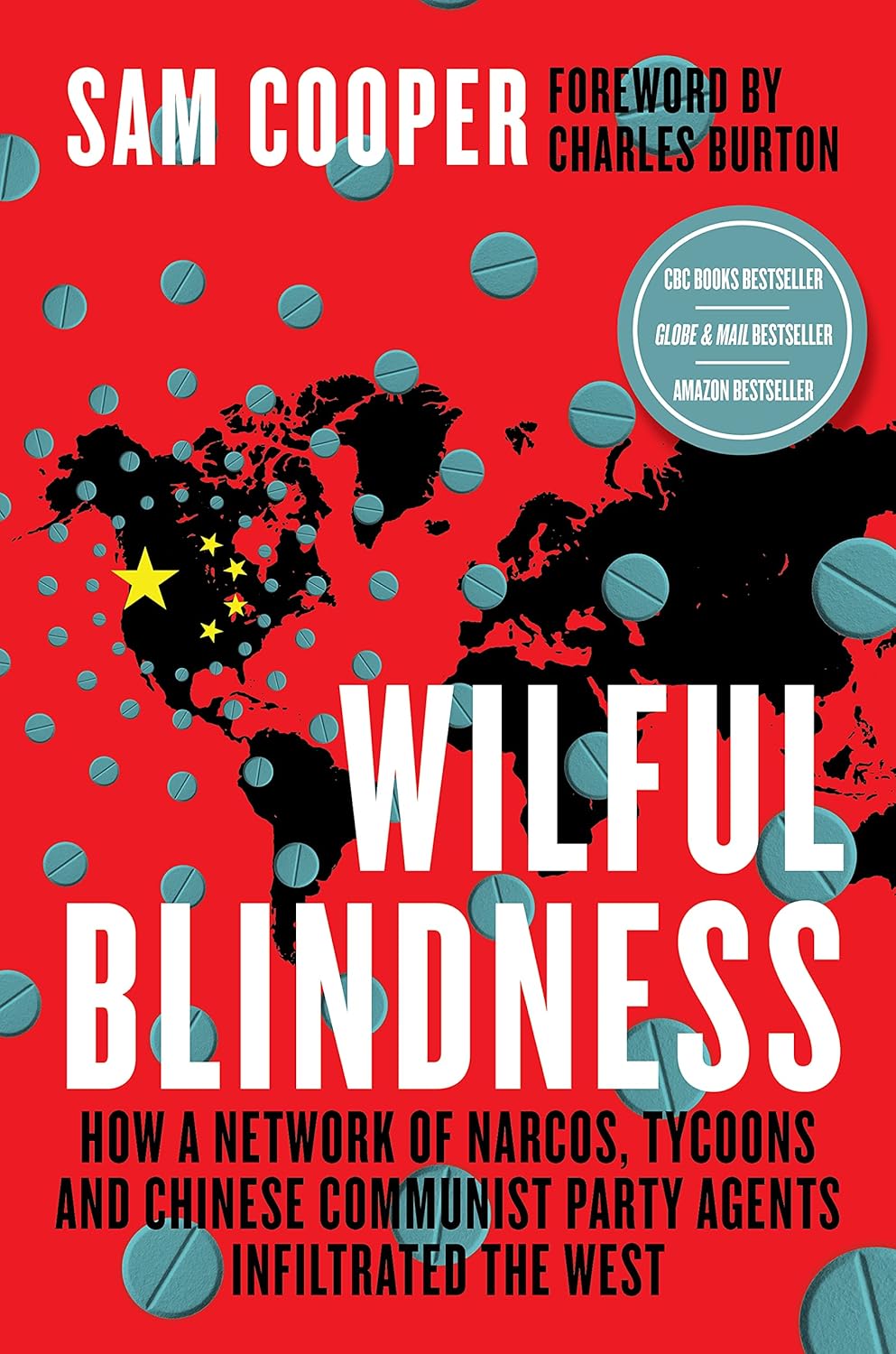
    Wilful Blindness: How a network of narcos, tycoons and CCP agents infiltrated the West

    Wilful Blindness: How a network of narcos, tycoons and CCP agents infiltrated the West

    by Sam Cooper

    In 1982 three of the most powerful men in Asia met in Hong Kong. They would decide how Hong Kong would be handed over to the People’s Republic of China and how Chinese business tycoons Henry Fok and Li Ka-Shing would help Deng Xiaoping realize the Chinese Communist Party’s domestic and global ambitions. That meeting would not only change Vancouver but the world. Billions of dollars in Chinese investment would soon reach the shores of North America’s Pacific coast. B.C. government casinos became a tool for global criminals to import deadly narcotics into Canada and launder billions of drug cash into Vancouver real estate. And it didn’t happen by accident.

    A cast of accomplices – governments hungry for revenue, casino and real estate companies with ties to shady offshore wealth, professional facilitators including lawyers and bankers, an aimless RCMP that gave organized crime room to grow – all combined to cause this tragedy. There was greed, folly, corruption, conspiracy, and wilful blindness.

    Wilful Blindness: How a network of narcos, tycoons and CCP agents infiltrated the West

    Decades of bad policy allowed drug cartels, first and foremost the Big Circle Boys – powerful transnational narco-kingpins with ties to corrupt Chinese officials, real estate tycoons, and industrialists – to gain influence over significant portions of Canada’s economy. Many looked the other way while B.C.’s primary industry, real estate, ballooned with dirty cash. But the unintended social consequences are now clear: a fentanyl overdose crisis raging in major cities throughout North America and life spans falling for the first time in modern Canada, and a runaway housing market that has devastated middle-class income earners.

    This story isn’t just about real estate and fentanyl overdoses, though. Sam Cooper has uncovered evidence that shows the primary actors in so-called “Vancouver Model” money laundering have effectively made Canada’s west coast a headquarters for corporate and industrial espionage by the CCP. And these ruthless entrepreneurs have used Vancouver and Canada to export their criminal model to other countries around the world including Australia and New Zealand. Meanwhile, Cooper finds that the RCMP’s 2019 arrest of its top intelligence official, Cameron Ortis, raises many frightening questions. Could Chinese transnational criminals and state actors targeting Canada’s industrial and technological crown jewels have gained protection from the Mounties?

    Wilful Blindness by Sam Cooper

    Could China and Iran have insight into Canada’s deepest national security secrets and influence on investigations? According to the evidence Cooper has found, Ortis had oversight of many investigations into transnational money laundering networks and insight into sensitive probes of suspects seeking to undermine Canada’s democracy and infiltrate the United States.

    Wilful Blindness is a powerful narrative that follows the investigators who refused to go along with institutionalized negligence and corruption that enabled the Vancouver Model, with Cooper drawing on extensive interviews with the whistle-blowers; thousands of pages of government and court documents obtained through legal applications; and large caches of confidential material available exclusively to Cooper.

    The book culminates with a shocking revelation showing how deeply Canada has been compromised and what needs to happen to get the nation back on track with its “Five Eyes” allies.

    BUY: Wilful Blindness: How a network of narcos, tycoons and CCP agents infiltrated the West by Sam Cooper on Amazon

    “I’m astonished that some Hollywood production company hasn’t already signed him for a big-screen treatment of this story. It’s a huge story.” – Terry Glavin, National Post

    A Globe and Mail and Amazon #1 bestseller

    If you want to understand war in the 21rst century. Read this to get part of the story”

    Robert Spalding, US Brigadier General(retired)

    “A Gripping read that you won’t want to put down”

    Benedict Rogers, Hong Kong Watch

    “This is a must-read book for concerned citizens who want to keep their democratic societies free”

    Solomon Yue, Vice-Chair and CEO, Republicans Overseas and the National Committee of the Republican Party of Oregon
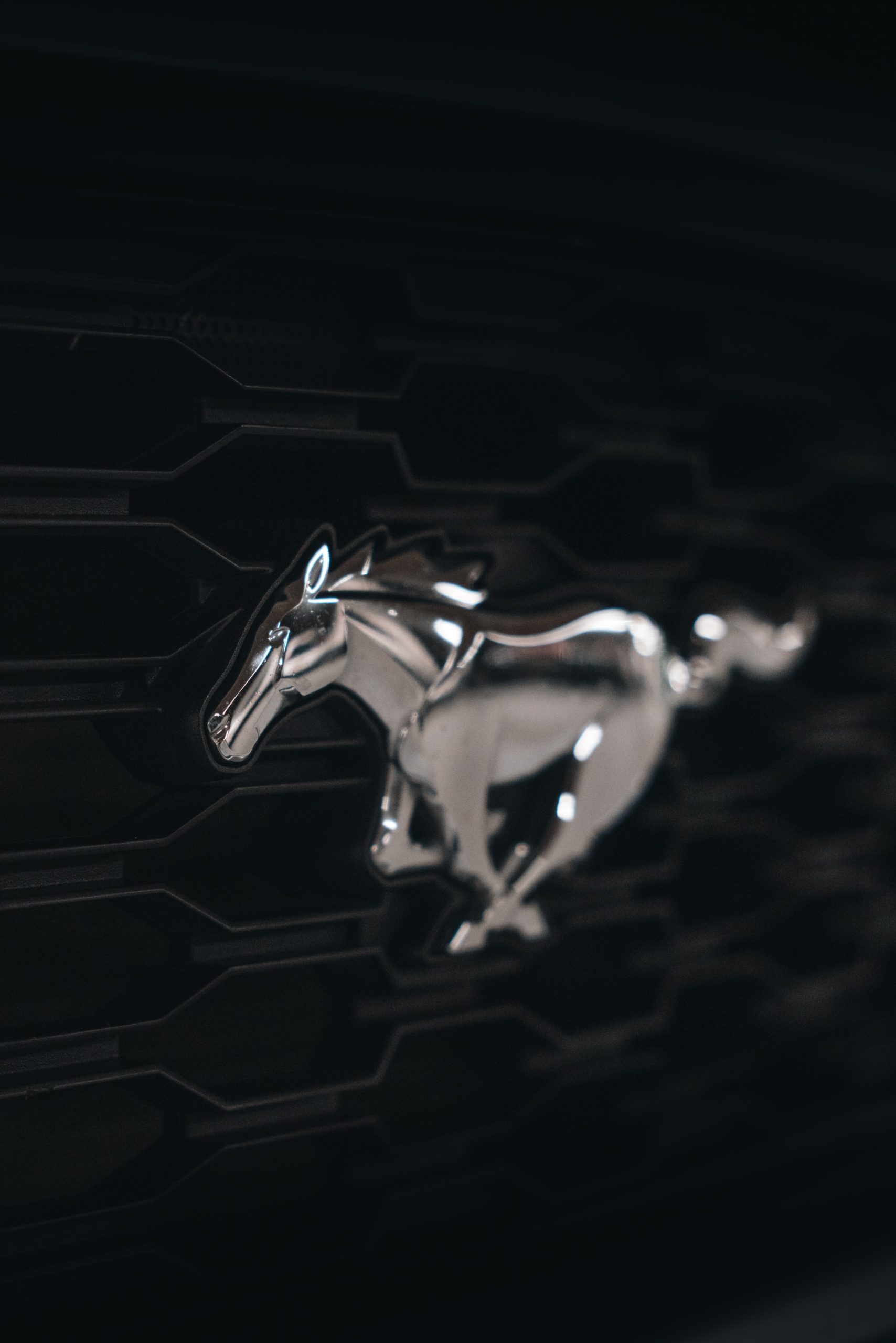
  • Mustang Sally and the Pony of China

    Mustang Sally and the Pony of China

    The year was 1969, my Dad’s friend was the proud owner of a new Mustang GT Fastback. We had the most amazing ride along Skaha Lake and the memory has never left me. At 8 years old the love of cars is already ingrained, we had Hot-Wheels miniature model cars of race cars.

    Ford Mustang is pure America, iconic and romantic. The muscle car made by Ford was then the GT and 1969 was the last year for the fastback. It was a hot summer day and we had the windows open and cruised the back road of Skaha Lake like we were on a secret mission. That Mustang could accelerate like nothing we had ever experienced before, we were gleeful.

    Mustang Sally is a great old rock song, made famous by the movie called the “The Commitments”. Every time I here that song it reminds me of the hot summer day in the summer of 1969 going over 100 miles per hour in the blink of an eye, being sucked back into the leather seats of the hottest car I had ever seen.

    Decades later I rented a Mustang GT at Miami International Airport, it was all mine for 7 days.

    Mustang

    Alligator Alley crosses the Everglades of Florida at the southernmost point, it’s the longest straightest road I know and late one night I put the pony to the test. After about 120 miles per hour it would feel like the car was floating through the air, what’s most amazing though is that my foot was holding the peddle to metal and the car was still accelerating. I had to let off, also it’s legend that alligators do come out and cross the road at night and at that speed it’s certain death.

    Ford Mustang Mach-E Deliveries Now Underway In China

    As Ford Authority reported earlier this year, the Ford Mustang Mach-E is manufactured by Changan Ford – a 50:50 joint venture between Changan Automobile and Ford Motor Company – in China for local customers, as opposed to the Ford Cuautitlan Assembly Plant in Mexico, which produces the Mach-E for North America and Europe. Order banks opened up back in April, after which the first Chinese Mach-E rolled off the assembly line back in October, and now, deliveries of the Ford Mustang Mach-E have begun in China, according to the automaker.

    The very first Mach-E deliveries took place in China just yesterday. One of the very first to take possession of the EV crossover was ad executive and Mustang fan Jin Zhang, who was handed the keys to his new Mach-E by Mark Kaufman, general manager, Ford China BEV Division. Zhang reportedly plans on using his Mach-E to haul his family around town.

    As Ford Authority reported back in July, Ford created a total of 25 dedicated Mach-E stores in Chinese metropolitan markets as it establishes its direct-sales model in the country. The first Mach-E store opened in Shanghai back in May, which was followed by locations in Shanghai, Suzhou, Chongqing, Beijing, Qingdao, Shenzhen, Chengdu, and Dongguan, to name a few.

    Photo by Jonathan Gallegos on Unsplash and What Is Picture Perfect on Unsplash

  • Dongjiao Coconut Plantation, Haikou, Hainan, China

    Dongjiao Coconut Plantation, Haikou, Hainan, China

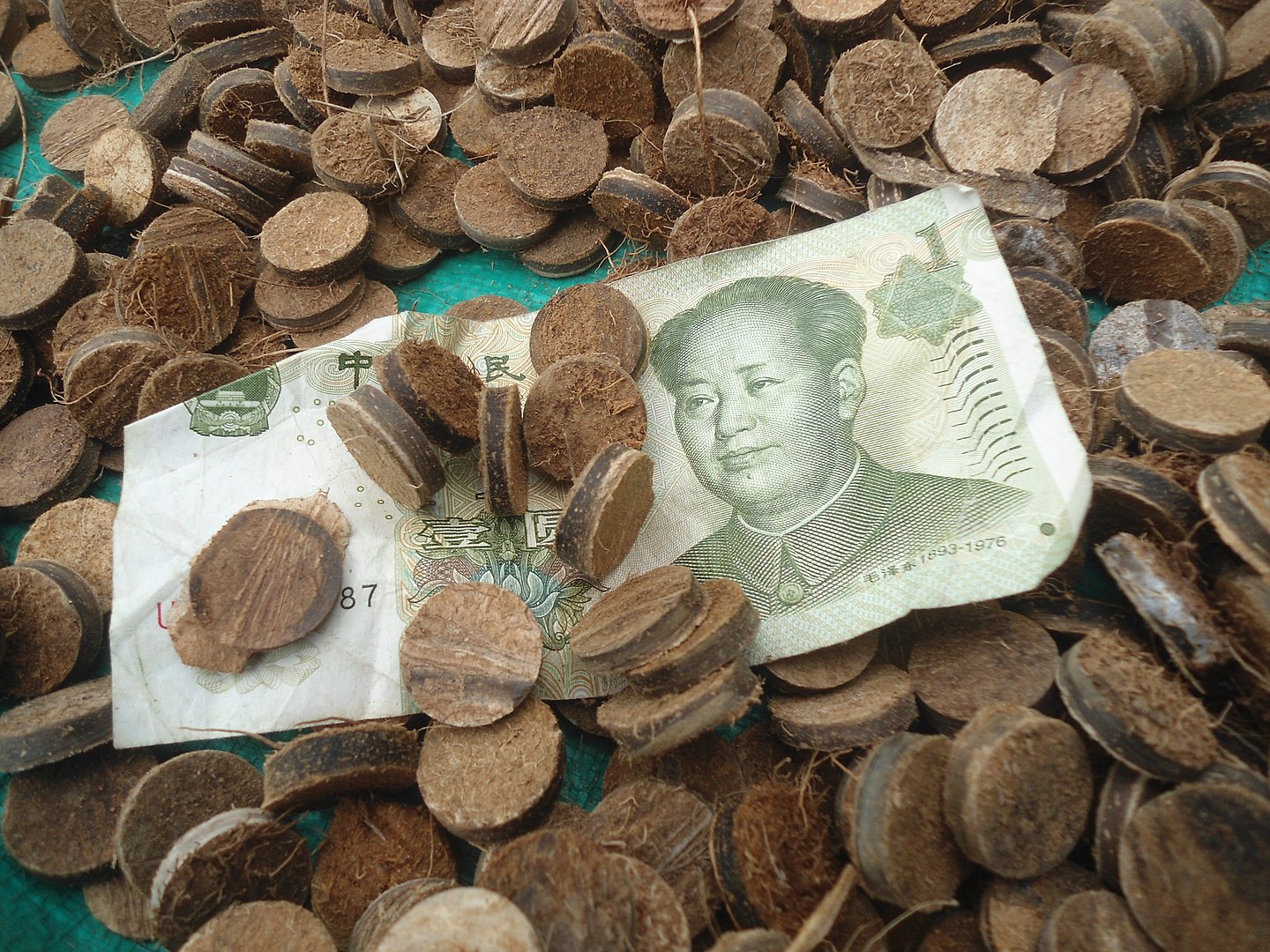
    Coconut buttons in Dongjiao Town, Hainan, China
    Coconut buttons in Dongjiao Town, Hainan, China

    Once upon a time a Coconut Plantation was a very valuable enterprise the coconuts were harvested for oils, minerals, fibres and milk. During the British colonization period there were coconut plantations in every colony that could support them. I visited several Palm Plantations, including coconut palms, in Queensland, Australia and the impression the row upon row of massive trees never left my mind.

    Naturally, when it comes to growing things; China can never been outdone in scale and planted the world’s largest coconut plantation, called Dongjiao Coconut Plantation, on a tropical island far to the south called Hainan.

    Coconut

    Dongjiao Coconut Plantation is about twenty-minute’s ferry from Qinglan Habour. There are about 500,000 various kinds of coconut trees planted at here. Together with the winding footpath, small huts, sunshine and the sandy beach, all things create a picture of tropical marine world, making people fell relax and refresh. Visitors can have great fun here including enjoying the delicious seafood in the restaurants at the shore, trying different kinds of beach and sea sports with friends or just have a stroll along the footpath. If it happens to be a breezy day, the leaves of coconut trees will let out a sound of pleasing.

    Haikou Shishan Crater Cluster National Geological Park (108km2) lies in Shishan and Yongxing Towns southwest Haikou City, close to Qiongzhou Strait, merely 15km from Haikou downtown. It has sound eco-environment, remarkable location advantage, unique geographic landscape and rich geological resources (Spa and hot spring) and is favorably called “Garden in the City” and honored as “Haikou’s Green Lung”. It is a rare urban volcanoes in the world with so various types, so beautiful shapes, so valuable and rare mineral springs and so intact volcanic ecology. This project is planned to include five themed zones, namely “Main Part of National Geological Park”, “Volcano SPA and Hot Spring Leisure and Recuperation Zone”, “Volcano Culture Sightseeing Zone”, “Volcano Forest Preservation Zone” and “Volcano Eco-Agriculture Sightseeing Zone”. Priority will be given to the main part of the National Geological Park in preliminary phase.

  • China, Cheongsam and the Last Emperor

    China, Cheongsam and the Last Emperor

    China, cheongsam
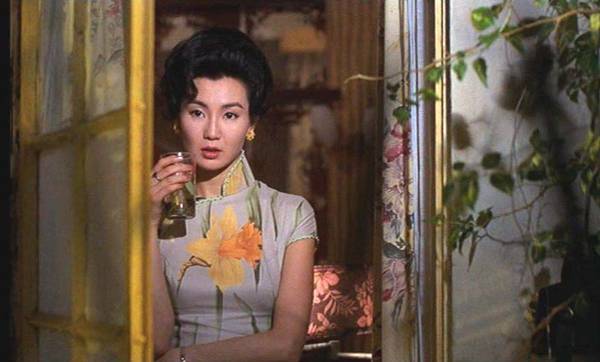
    Beautiful and elegant in cheongsam

    China has cast a magic spell on me, I’m enchanted with the middle kingdom, it’s wonderful people, past and present. My mind is attracted to all things related to the far east. Lately I’ve been admiring cheongsam worn by the stunning beautiful women of China. Men can dress to match, I once recall seeing a Mao suit on a mannequin in a Georgio Armani store. Cheongsam can be worn by men and women (see below).

    Chinese singer and actress Zhou Xuan wearing a cheongsam in 1930s in Shanghai
    Chinese singer and actress Zhou Xuan wearing a cheongsam in 1930s in Shanghai

    The English loanword cheongsam comes from chèuhngsāam (長衫; long shirt/dress), the Cantonese pronunciation of the Shanghainese term zansae, by which the original tight-fitting form was first known. The Shanghainese name was somewhat in contrast with usage in Mandarin and other varieties of Chinese, where chángshān (Mandarin) refers to an exclusively male dress, and the female version is known as a qípáo.

    In Hong Kong, where many Shanghai tailors fled after the communist revolution in China, the word chèuhngsāam may refer to either male or female garments. The word keipo (qípáo) is either a more formal term for the female chèuhngsāam, or is used for the two-piece cheongsam variant that is popular in mainland China. Traditionally, usage in Western countries mostly followed the original Shanghainese usage and applies the Cantonese-language name cheongsam to a garment worn by women.

    armani mao suit
    Armani Mao suit

    The story of the Last Emperor is tragic in many ways but an important stage in the evolution of modern day China. In the historic photo of Puyi, last emperor of China, with his consort Wan Rong, last empress of China. It’s a blaring contrast the western dress suite beside cheongsam or what came next; i.e. the Mao suit (see photo).

    The Last Emperor, Puyi was a renaissance man and dressed like a modern day Puff Daddy (rap star). In his day, not only was he the last emperor but also the last fashion maven, for about half a century. Modern day Chinese are making up for the lost time and are now the largest consumer of luxury designer brands in the world. The Armani Mao suit is an iconic twist of elegance, Mao style.

    Wanrong and Puyi in Tianjin
    Wanrong and Puyi in Tianjin

    Emperor of China (1908–1912)

    Chosen by Empress Dowager Cixi on her deathbed, Puyi became emperor at the age of 2 years and 10 months in December 1908 after the Guangxu Emperor died on 14 November. Titled the Xuantong Emperor (Wade-Giles: Hsuan-tung Emperor), Puyi’s introduction to the life of an emperor began when palace officials arrived at his family residence to take him. On the evening of 13 November 1908, without any advance notice, a procession of eunuchs and guardsmen led by the palace chamberlain left the Forbidden City for the Northern Mansion to inform Prince Chun that they were taking away his three-year-old son Puyi to be the new emperor.

    Flag of the Chinese Empire under the Qing dynasty (1889-1912)
    Flag of the Chinese Empire under the Qing dynasty (1889-1912)

    The toddler Puyi screamed and resisted as the officials ordered the eunuch attendants to pick him up. Puyi’s parents said nothing when they learned that they were losing their son. As Puyi cried, screaming that he did not want to leave his parents, he was forced into a palanquin that took him back to the Forbidden City.  Puyi’s wet nurse Wang Wen-Chao was the only person from the Northern Mansion allowed to go with him, and she calmed the very distraught Puyi down by allowing him to suckle one of her breasts; this was the only reason she was taken along. Upon arriving at the Forbidden City, Puyi was taken to see Cixi Puyi later wrote:

    I still have a dim recollection of this meeting, the shock of which left a deep impression on my memory. I remember suddenly finding myself surrounded by strangers, while before me was hung a drab curtain through which I could see an emaciated and terrifying hideous face. This was Cixi. It is said that I burst out into loud howls at the sight and started to tremble uncontrollably. Cixi told someone to give me some sweets, but I threw them on the floor and yelled “I want nanny, I want nanny”, to her great displeasure. “What a naughty child” she said. “Take him away to play.”

    Cheongsam Photo credit: cwangdom on VisualHunt.com / CC BY-NC-ND

  • China Excursion

    China Excursion

    Hong Kong to Shenzhen

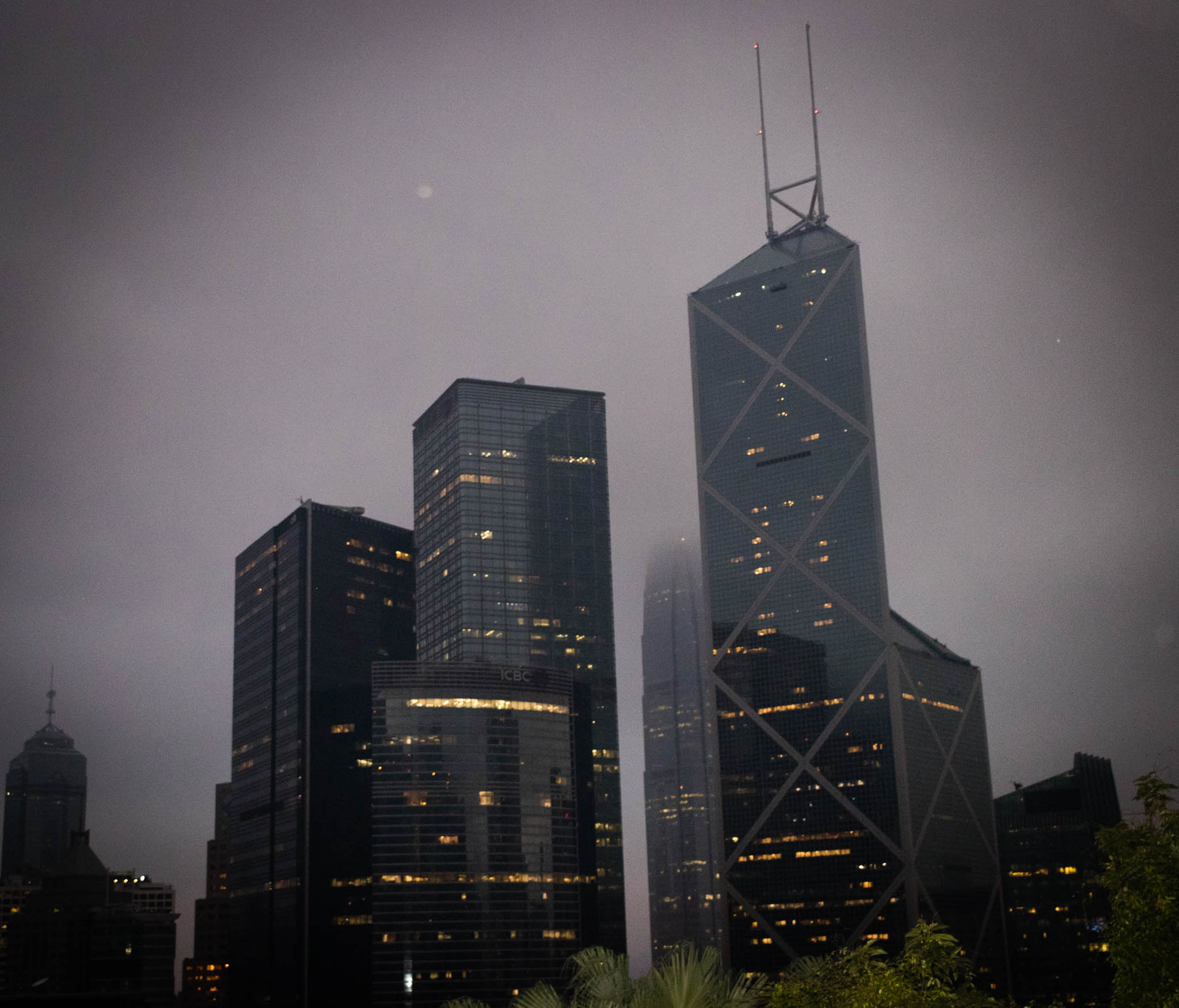
    Epic is a word I’ve never used but is the only single word that begins to describe my China Excursion. It all started from Wan Chai in Hong Kong, with an early morning urban hike and photo shoot, to be the first to board the 7am vernacular tram ride known as Victoria Peak train.

    During a recent business trip to Hong Kong I made a China Excursion on a 5 day visa to the Shenzhen economic zone, across the harbor from Hong Kong, I was interested to see the area nearest the border of the New Territory in what I think is the future Boca Raton of Shenzhen and tropical port town of Yantian.

    Wutong Mountain is a rare natural scenic spot in China, which is located in urban area, with coastal mountains and natural vegetations as its main scenery. There are eight scenery blocks such as “Musical Instrument in Phoenix Valley”, “Wutong Clouds”, “A Phoenix Perching on the Green Wutong”, “East Lake Park” and “Fairy Lake Botanical Garden” etc. In 1993 it was awarded the title of National Park of Guangdong by the Guangdong Provincial Government. In December 2009, it was conferred the title of National Park of China by the State Council.

    With range of green hills, Wutong Mountain rises gradually from west to east. There are three main peaks, namely Small Wutong, Bean Curd Head and Great Wutong, which are called “Three Towering Peaks” in history. With an attitude of 943.7 metres (3,096 ft), Great Wutong is the highest peak in Shenzhen. The majestic mountain reflects the vast Roc Bay and matches the cloud which changes irregularly. It connes Hong Kong with streams and mountains. Known far and wide, Wutong Mountain has a long history. “Wuling Heavenly Pound” had been praised as one of eight sceneries in Xin’an County in history. Now, “Wutong Clouds” has been listed as one of eight new sceneries of Shenzhen for its capricious and magic scenery.

    Praised as “City Lung” vividly, vast vegetation of Wutong Mountain from the significant ecological barrier of Shenzhen. The forest coverage rate of Wutong Mountain reaches 88.6%. The types of vegetation in the mountain are multiple. South subtropics seasonal rainforest, mountainous orderly broad-leaf forest, hilltop dwarf forest, hilltop shrubs and glasses are distributed orderly from the foot to the top of the mountain. At present, such ecological sceneries as “Ten miles flowers of Rhododentron” and “Camellia flowers sea of Wutong” etc, which constructing according to the natural conditions of Wutong Mountain display striking “flower sea” sceneries.