Tag: Canada

  • Wilful Blindness: How a network of narcos, tycoons and CCP agents infiltrated the West

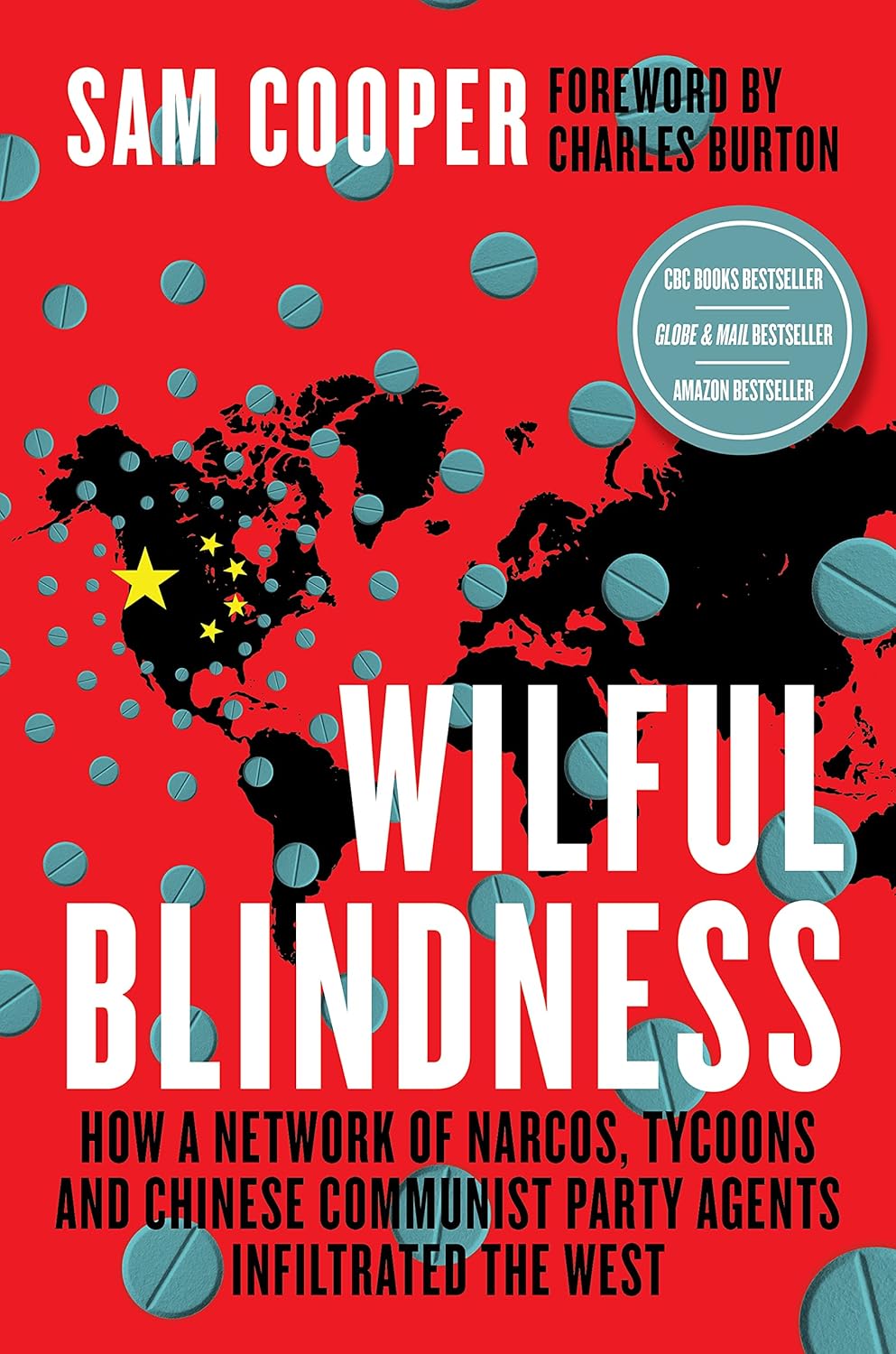
    Wilful Blindness: How a network of narcos, tycoons and CCP agents infiltrated the West

    Wilful Blindness: How a network of narcos, tycoons and CCP agents infiltrated the West

    by Sam Cooper

    In 1982 three of the most powerful men in Asia met in Hong Kong. They would decide how Hong Kong would be handed over to the People’s Republic of China and how Chinese business tycoons Henry Fok and Li Ka-Shing would help Deng Xiaoping realize the Chinese Communist Party’s domestic and global ambitions. That meeting would not only change Vancouver but the world. Billions of dollars in Chinese investment would soon reach the shores of North America’s Pacific coast. B.C. government casinos became a tool for global criminals to import deadly narcotics into Canada and launder billions of drug cash into Vancouver real estate. And it didn’t happen by accident.

    A cast of accomplices – governments hungry for revenue, casino and real estate companies with ties to shady offshore wealth, professional facilitators including lawyers and bankers, an aimless RCMP that gave organized crime room to grow – all combined to cause this tragedy. There was greed, folly, corruption, conspiracy, and wilful blindness.

    Wilful Blindness: How a network of narcos, tycoons and CCP agents infiltrated the West

    Decades of bad policy allowed drug cartels, first and foremost the Big Circle Boys – powerful transnational narco-kingpins with ties to corrupt Chinese officials, real estate tycoons, and industrialists – to gain influence over significant portions of Canada’s economy. Many looked the other way while B.C.’s primary industry, real estate, ballooned with dirty cash. But the unintended social consequences are now clear: a fentanyl overdose crisis raging in major cities throughout North America and life spans falling for the first time in modern Canada, and a runaway housing market that has devastated middle-class income earners.

    This story isn’t just about real estate and fentanyl overdoses, though. Sam Cooper has uncovered evidence that shows the primary actors in so-called “Vancouver Model” money laundering have effectively made Canada’s west coast a headquarters for corporate and industrial espionage by the CCP. And these ruthless entrepreneurs have used Vancouver and Canada to export their criminal model to other countries around the world including Australia and New Zealand. Meanwhile, Cooper finds that the RCMP’s 2019 arrest of its top intelligence official, Cameron Ortis, raises many frightening questions. Could Chinese transnational criminals and state actors targeting Canada’s industrial and technological crown jewels have gained protection from the Mounties?

    Wilful Blindness by Sam Cooper

    Could China and Iran have insight into Canada’s deepest national security secrets and influence on investigations? According to the evidence Cooper has found, Ortis had oversight of many investigations into transnational money laundering networks and insight into sensitive probes of suspects seeking to undermine Canada’s democracy and infiltrate the United States.

    Wilful Blindness is a powerful narrative that follows the investigators who refused to go along with institutionalized negligence and corruption that enabled the Vancouver Model, with Cooper drawing on extensive interviews with the whistle-blowers; thousands of pages of government and court documents obtained through legal applications; and large caches of confidential material available exclusively to Cooper.

    The book culminates with a shocking revelation showing how deeply Canada has been compromised and what needs to happen to get the nation back on track with its “Five Eyes” allies.

    BUY: Wilful Blindness: How a network of narcos, tycoons and CCP agents infiltrated the West by Sam Cooper on Amazon

    “I’m astonished that some Hollywood production company hasn’t already signed him for a big-screen treatment of this story. It’s a huge story.” – Terry Glavin, National Post

    A Globe and Mail and Amazon #1 bestseller

    If you want to understand war in the 21rst century. Read this to get part of the story”

    Robert Spalding, US Brigadier General(retired)

    “A Gripping read that you won’t want to put down”

    Benedict Rogers, Hong Kong Watch

    “This is a must-read book for concerned citizens who want to keep their democratic societies free”

    Solomon Yue, Vice-Chair and CEO, Republicans Overseas and the National Committee of the Republican Party of Oregon
  • Gordie Howe International Bridge

    Gordie Howe International Bridge

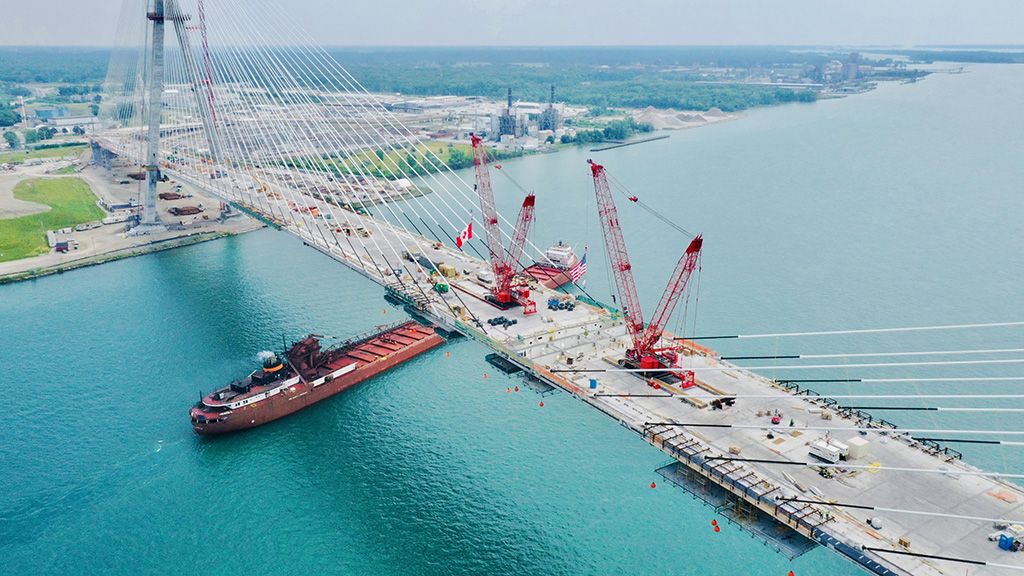
    Gordie Howe International Bridge Deck Connection - June 2024
    Gordie Howe International Bridge Deck Connection – June 2024

    The Gordie Howe International Bridge is a major infrastructure project connecting Detroit, Michigan, and Windsor, Ontario, across the Detroit River. Canada and United States have such a close and important relationship that for many folks, the bridge is more than just a new border crossing, it represents our friendship. Naming this critical trade-route bridge after Gordie Howe was a stroke of genius, as it evokes tremendous pride in our team work and our competition, from both sides of the river.

    Trading card photo of Gordie Howe as a member of the Detroit Red Wings. These cards were printed on the backs of Chex cereal boxes in the US and Canada from 1963 to 1965.

    Gordie Howe (March 31, 1928 – June 10, 2016) was a Canadian professional ice hockey player. From 1946 to 1980, he played 26 seasons in the National Hockey League (NHL) and six seasons in the World Hockey Association (WHA); his first 25 seasons were spent with the Detroit Red Wings. Nicknamed “Mr. Hockey“, Howe is often considered the most complete player ever to play the game and one of the greatest of all time. At his retirement, his 801 goals, 1,049 assists, and 1,850 total points were all NHL records that stood until they were broken by Wayne Gretzky, who himself has been a major champion of Howe’s legacy. A 23-time NHL All-Star, he shares the NHL record for seasons played with Chris Chelios, and his all-time NHL games played record of 1,767 was only surpassed in 2021 by Patrick Marleau. In 2017, Howe was named one of the “100 Greatest NHL Players“.

    Detroit and Windsor reminds us how close we are, let’s make more bridges and build more championship teams. Canada and United States are natural strategic partners and both are better together.

    Gordie Howe International Bridge key details:

    Project Overview

    • A cable-stayed international bridge with six lanes for automotive traffic and a bicycle/walking path
    • Longest cable-stayed bridge in North America, with a main span of 853 m (2,800 ft) and total length of 2.5 km (1.6 mi)
    • Bridge towers stand 220 m (722 ft) tall on opposite banks of the Detroit River

    Construction and Funding

    • Construction began in July 2018 by the “Bridging North America” consortium
    • Total construction cost estimated at CA$3.8 billion, funded by the Canadian federal government through bridge tolls
    • Expected completion date is 2025

    Purpose and Significance

    • Will connect Interstate 75 in Michigan with Highway 401 in Ontario
    • Designed to improve cross-border traffic flow, with expected daily traffic increasing from 18,500 vehicles in 2016 to 26,500 by 2025
    • Provides an alternative to the existing Ambassador Bridge

    Naming

    • Named after Canadian ice hockey player Gordie Howe, who played 25 years with the Detroit Red Wings
    • Officially named on May 14, 2015, with Howe’s approval before his death in 2016

    Ports of Entry

    • U.S. side: 68-hectare (170-acre) port with border inspection facilities
    • Canadian side: 53-hectare (130-acre) port with border inspection, toll collection, and maintenance facilities

    The bridge is being developed by the Windsor-Detroit Bridge Authority (WDBA), a Canadian Crown corporation, and is expected to significantly improve cross-border transportation infrastructure.

    Citations:
    [1] https://www.gordiehoweinternationalbridge.com/en
    [2] https://en.wikipedia.org/wiki/Gordie_Howe_International_Bridge
    [3] https://www.fhwa.dot.gov/ipd/project_profiles/mi_gordie_howe_int_bridge.aspx
    [4] https://www.youtube.com/watch?v=hTcGeuVduts
    [5] https://www.youtube.com/watch?v=eFXcZmD04qE
    [6] https://www.aecon.com/our-projects/current/gordie-howe-international-bridge


    Bridge Key Details (above) from Perplexity: pplx.ai/share

  • Sooke, British Columbia

    Sooke, British Columbia

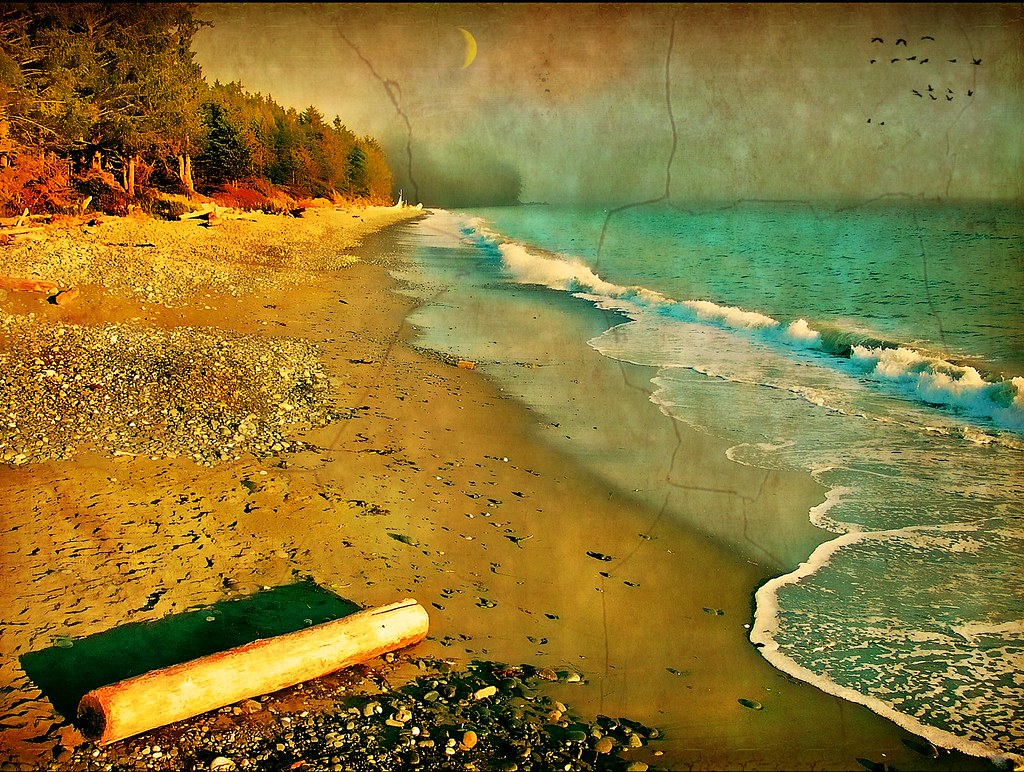
    French Beach , Vancouver Island, near Sooke, British Columbia
    French Beach, Vancouver Island, near Sooke, British Columbia

    The town of Sooke is another place in British Columbia that I have not seen and even though I won’t admit to a bucket list, there are some place I just feel I must go an experience for myself. That being said; Sooke British Columbia is high on the list.

    Sooke’s popularity as a scenic tourist destination has existed for generations. Well-known destinations in Sooke, such as Whiffin Spit Park, the Sooke Potholes Regional Park and adjacent Sooke Potholes Provincial Park attract visitors both locally and from around the world. Sooke is also home to the Sooke Region Museum and Visitor Centre; where visitors and locals are able to get information on regional attractions and history.

    Sooke Basin View by Kiwibirdman
    Sooke Basin View by Kiwibirdman

    The area’s popularity has increased as a base for visiting the wilderness parks of Vancouver Island‘s southwest coast — the West Coast Trail and the Juan de Fuca Provincial Park which includes the now highly popular Juan de Fuca Marine Trail. Sooke, BC is also famous for its beaches just on the outskirts of its neighbouring communities such as Shirley and Jordan River. These beaches include Sandcut, French beach, Fishboat bay, China beach, Mystic beach and more.

    To get an idea of how amazing awesome the beaches are near Sooke, check out this fabulous short video

    The beaches near Sooke, BC in one day

    Back country recreation, or off-road recreation brings a constant stream of 4X4s, quads, ATVs, dirt bikes and home built off-highway vehicles through Sooke as people search out back country access. Hundreds of kilometres of logging roads thread through the hills north of Sooke in the Rural Resource Lands of the Juan de Fuca electoral area, enabling access to several community lakes and small reservoirs. Two large reservoirs, Bear Creek and Diversion, are popular destinations north and west of Sooke.

    Mountain biking is growing in popularity in British Columbia, and Sooke is establishing itself as a destination for the sport. Local advocacy groups such as the Sooke Bike Club are working to have areas such as Broom Hill set aside as parkland.

    The Galloping Goose Regional Trail, part of the Trans-Canada Trail, runs through Sooke and is a popular cycling route to Victoria.

    French Beach, Sooke, British Columbia Photo credit: Nick Kenrick. on VisualHunt.com / CC BY-NC-SA

  • Lions Gate Bridge, Vancouver

    Lions Gate Bridge, Vancouver

    2017 - Vancouver - Lions Gate Bridge South Pier
    2017 – Vancouver – Lions Gate Bridge South Pier

    I was riding my bicycle across the overpass in Stanley Park and stopped in the middle to admire the perfect view of Lions Gate Bridge, when I noticed a little plaque that said the following:

    The Guinness brewing family built the Lions Gate Bridge which opened in 1938 to provide access to its British Properties lands in West Vancouver. Ownership was transferred to the Province in 1955. Tolls were removed in 1963 and the bridge was restored in 1998 after a long debate about its heritage value and capacity.

    Vancouver Heritage Foundation

    The most beautiful bridge north of San Francisco’s Golden Gate, Lions Gate Bridge brought Vancouver into the automobile age and heralded the era of auto-dependent suburbs when it opened in 1938. The Guinness brewing company was the primary financier, intent on providing access to its British Properties development in West Vancouver. Bisecting Stanley Park for the bridge’s causeway was the most controversial issue, but the proponents’ promise of jobs was too good to turn down, as the city was mired in the Great Depression. In 1933, the Park Board voted in favour of it, with only one commissioner opposed.

    "Lady Cecilia" under the Lions Gate Bridge 1939. City of Vancouver Archives, CVA 99-2951, photographer Start Thomson
    “Lady Cecilia” under the Lions Gate Bridge 1939. City of Vancouver Archives, CVA 99-2951, photographer Start Thomson

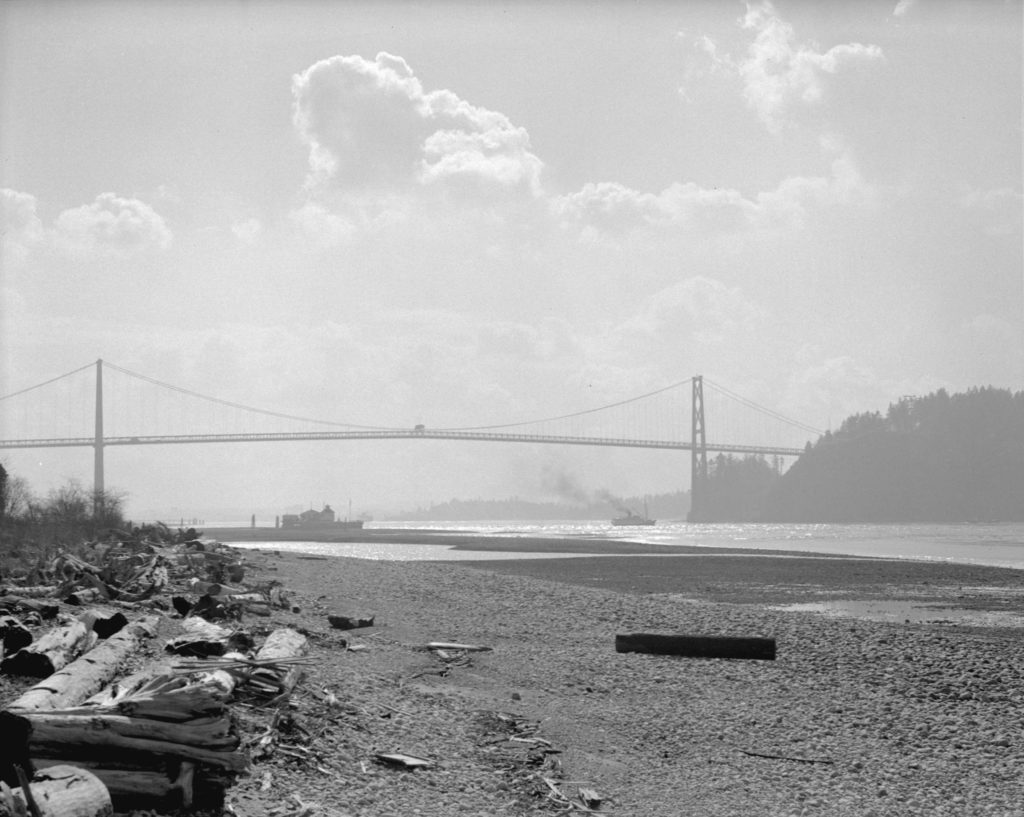
    The idea to build a bridge across First Narrows was investigated as early as the 1890s, but it wasn’t until the 1920s that plans began to take shape. In December 1933, approval for the building of the bridge was reached through a city wide vote. Construction began on March 31, 1937 by clearing ten acres of Stanley Park to create the right-of-way. Upon completion in November 1938, the Lions Gate Bridge was recognized as the longest suspension bridge in the British Empire and one of the biggest construction projects undertaken in Canada during the 1930s. Despite its great size, the open steelwork of the twin towers gives the structure a weightless quality that blends well with its picturesque setting.

    The bridge was remarkable because of its length and the technical innovations in cable use and construction. Alfred J.T. Taylor, a prominent engineering contractor and industrialist who had substantial land holdings on the North Shore and who assembled the financing for the project has been called the visionary behind the project. The Guinness brewing company acted as the primary financier, intent on providing access to its British Properties development in West Vancouver.

    2017 - Vancouver - The Lions

    Named in honour of a pair of pointed peaks along the North Shore mountain range known as ‘The Lions’, the south entrance to the bridge is graced by two monumental Art Deco lion figures which were the last great public work of Vancouver’s foremost sculptor, Charles Marega.

    The provincial government purchased it in 1955, its “Year of Bridges”. Other projects in the region included the Second Narrows and Oak Street bridges plus Highway 99 and the south arm crossing that became George Massey Tunnel. A third lane was squeezed onto Lions Gate Bridge to accommodate the increasing traffic volume. It ceased to be a toll bridge in 1963. Overcrowded for decades, the bridge narrowly avoided demolition in the 1990s, instead being refurbished by the provincial government. Its retention indicated the city was beginning to move beyond the automobile age.

    Sources

    Photo credit: Ted’s photos – For Me & You on Visual Hunt / CC BY-NC-SA

  • Protect the Jumbo Valley

    Protect the Jumbo Valley

    The Jumbo Valley, located deep in the wilds of British Columbia’s Purcell Mountains, has long been revered for its spiritual significance and beauty. To the Ktunaxa Nation, it is known as Qat’muk, home of the grizzly bear spirit.

    Grizzly cub at Knight Inlet, British Columbia, CanadaPart of a crucial international wildlife corridor, the Jumbo Valley is one of only two remaining areas in North America where bears can freely roam between Canada and the US. Permanent development of the valley would likely lead to reduced grizzly populations locally, regionally and even continentally.

    For nearly 25 years, local people—First Nations, skiers, riders, alpinists and conservationists—have fought a proposed large-scale ski resort in Jumbo. The Ktunaxa First Nation’s Qat’muk Declaration asserts that the Jumbo Valley is of significant spiritual and ecological importance and calls for its permanent protection.

    [box type=”tick” style=”rounded” border=”full”]There are few places left like this in the world and it is our duty to make sure the Jumbo Valley remains intact now and long into the future.[/box]

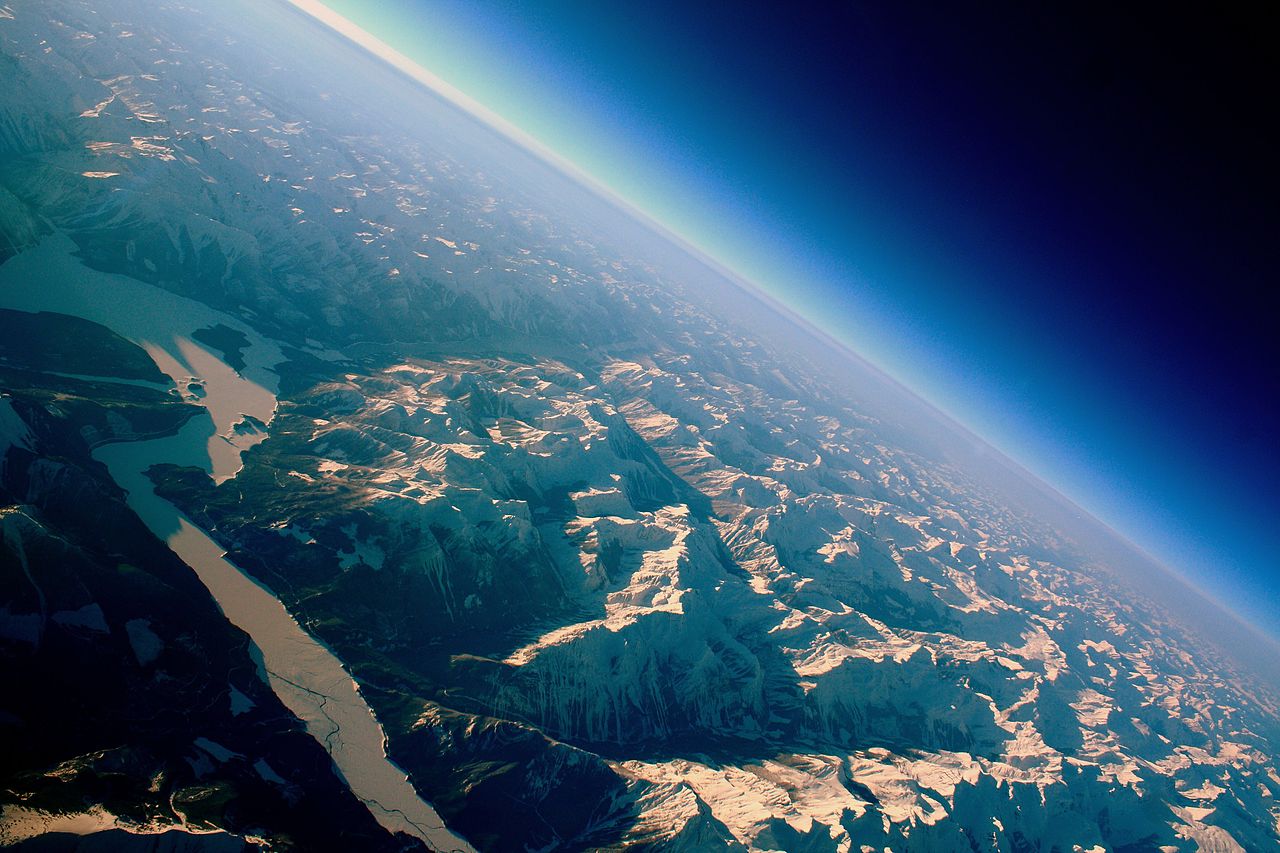
    Created by the construction of Mica Dam on the Columbia River, Kinbasket Lake (For a short time known as McNaughton Lake) sits in the Rocky Mountain Trench on the Western edge of the Rockies. On the Western side of the Trench lies the Purcell and Selkirk Ranges of the Columbia Mountains.
    Created by the construction of Mica Dam on the Columbia River, Kinbasket Lake (For a short time known as McNaughton Lake) sits in the Rocky Mountain Trench on the Western edge of the Rockies. On the Western side of the Trench lies the Purcell and Selkirk Ranges of the Columbia Mountains.

    Coming to theatres Oct 2015 – Patagonia presents Jumbo Wild – a gripping, hour-long documentary film by Sweetgrass Productions that tells the true story of the decades-long battle over the future of British Columbia’s iconic Jumbo Valley and highlights the tension between the protection of wilderness and the backcountry experience and ever-increasing development interests in wild places. Set against a backdrop of incredible backcountry ski and snowboard footage, Jumbo Wild documents all sides of a divisive issue bringing the passionate local fight to protect the Jumbo Valley to life for the first time.

    Get involved, find screenings and more at Patagonia.com/jumbowild