Tag: Vancouver

  • Wilful Blindness: How a network of narcos, tycoons and CCP agents infiltrated the West

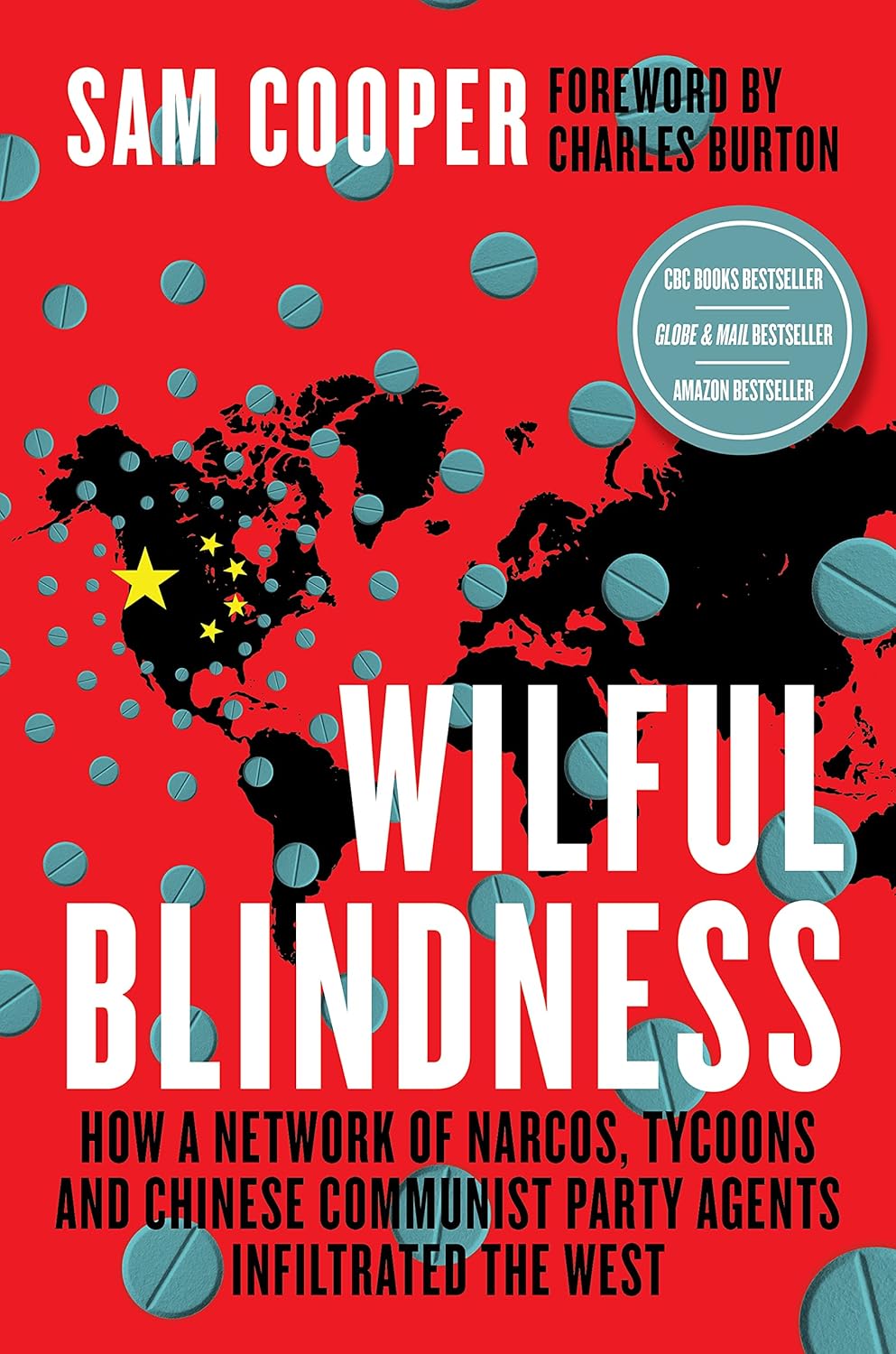
    Wilful Blindness: How a network of narcos, tycoons and CCP agents infiltrated the West

    Wilful Blindness: How a network of narcos, tycoons and CCP agents infiltrated the West

    by Sam Cooper

    In 1982 three of the most powerful men in Asia met in Hong Kong. They would decide how Hong Kong would be handed over to the People’s Republic of China and how Chinese business tycoons Henry Fok and Li Ka-Shing would help Deng Xiaoping realize the Chinese Communist Party’s domestic and global ambitions. That meeting would not only change Vancouver but the world. Billions of dollars in Chinese investment would soon reach the shores of North America’s Pacific coast. B.C. government casinos became a tool for global criminals to import deadly narcotics into Canada and launder billions of drug cash into Vancouver real estate. And it didn’t happen by accident.

    A cast of accomplices – governments hungry for revenue, casino and real estate companies with ties to shady offshore wealth, professional facilitators including lawyers and bankers, an aimless RCMP that gave organized crime room to grow – all combined to cause this tragedy. There was greed, folly, corruption, conspiracy, and wilful blindness.

    Wilful Blindness: How a network of narcos, tycoons and CCP agents infiltrated the West

    Decades of bad policy allowed drug cartels, first and foremost the Big Circle Boys – powerful transnational narco-kingpins with ties to corrupt Chinese officials, real estate tycoons, and industrialists – to gain influence over significant portions of Canada’s economy. Many looked the other way while B.C.’s primary industry, real estate, ballooned with dirty cash. But the unintended social consequences are now clear: a fentanyl overdose crisis raging in major cities throughout North America and life spans falling for the first time in modern Canada, and a runaway housing market that has devastated middle-class income earners.

    This story isn’t just about real estate and fentanyl overdoses, though. Sam Cooper has uncovered evidence that shows the primary actors in so-called “Vancouver Model” money laundering have effectively made Canada’s west coast a headquarters for corporate and industrial espionage by the CCP. And these ruthless entrepreneurs have used Vancouver and Canada to export their criminal model to other countries around the world including Australia and New Zealand. Meanwhile, Cooper finds that the RCMP’s 2019 arrest of its top intelligence official, Cameron Ortis, raises many frightening questions. Could Chinese transnational criminals and state actors targeting Canada’s industrial and technological crown jewels have gained protection from the Mounties?

    Wilful Blindness by Sam Cooper

    Could China and Iran have insight into Canada’s deepest national security secrets and influence on investigations? According to the evidence Cooper has found, Ortis had oversight of many investigations into transnational money laundering networks and insight into sensitive probes of suspects seeking to undermine Canada’s democracy and infiltrate the United States.

    Wilful Blindness is a powerful narrative that follows the investigators who refused to go along with institutionalized negligence and corruption that enabled the Vancouver Model, with Cooper drawing on extensive interviews with the whistle-blowers; thousands of pages of government and court documents obtained through legal applications; and large caches of confidential material available exclusively to Cooper.

    The book culminates with a shocking revelation showing how deeply Canada has been compromised and what needs to happen to get the nation back on track with its “Five Eyes” allies.

    BUY: Wilful Blindness: How a network of narcos, tycoons and CCP agents infiltrated the West by Sam Cooper on Amazon

    “I’m astonished that some Hollywood production company hasn’t already signed him for a big-screen treatment of this story. It’s a huge story.” – Terry Glavin, National Post

    A Globe and Mail and Amazon #1 bestseller

    If you want to understand war in the 21rst century. Read this to get part of the story”

    Robert Spalding, US Brigadier General(retired)

    “A Gripping read that you won’t want to put down”

    Benedict Rogers, Hong Kong Watch

    “This is a must-read book for concerned citizens who want to keep their democratic societies free”

    Solomon Yue, Vice-Chair and CEO, Republicans Overseas and the National Committee of the Republican Party of Oregon
  • Gratitude is an Attitude

    Gratitude is an Attitude

    Happy Thanksgiving from Canada, with Gratitude 

    Everyday I feel blessed and give thanks to God for living in the Pacific Northwest. Today is October 10th and it’s Thanksgiving Day here in Canada, and it feels like summer by the sea. Temperatures are warm, blue skies, calm weather and beautiful sunshine. Such a blessing. I never forget and always give thanks. 

    As a person who live their adult life, in the information age, I can’t imagine any other type of work. I love online web development. I’m very grateful and super lucky to have found my passion. I remember my excitement to learn to write HTML a long time ago. I knew it was a gift and I always treasured, and cherished learning more about online web development.
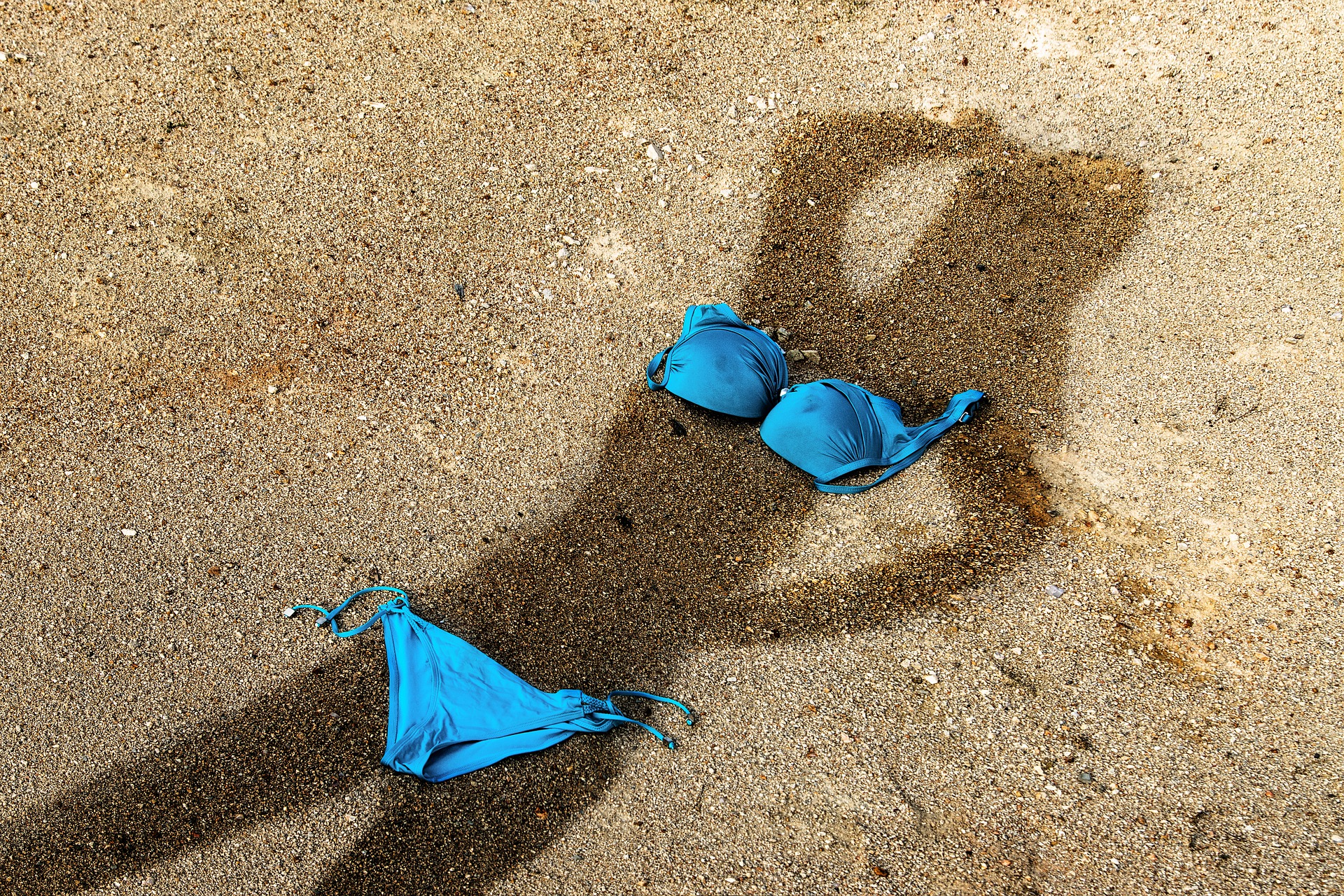
    I own and manage several websites, oldest of which is invest offshore. As a digital Soldier, my work has been focused on Silicon Forest. Along the way, I was given an opportunity for which I remain grateful. And that was to manage the list of members of the Vancouver Economic Summit and continue the host the bi-weekly live event. That event changed venues several times and the membership changed when vaccine mandates came in British Columbia.

    We had to move the event to Old part of Vancouver in the Edge of Chinatown in Gastown at a pretty tough neighbourhood bar, but we hosted it there for a year and then the mandates were lifted. So we were able to go back to Steamworks again, where we’ve been hosting the event, prior to the scamdemic and Steamworks was the best fit. The reason for that is that sometimes the agenda would be long and we would take up space in a restaurant. Two hours when we had been in the oldest sushi restaurant in Vancouver, for at least a couple of years. We had a symbiotic relationship with the Sushi Bar but they were getting some complaints about how loud our table of 10 to 12 people would become. 

    So, Steamworks solves the problem, but it also created a new problem. And that is that when the hockey playoff season happens, the televisions will play hockey very loud. Our group of people sitting at one end of the table, might have trouble hearing the whole discussion. Aside from hockey playoff season the bar is perfect because it’s Public and open to all people of legal age. Gratitude for Steamworks.

    The idea of the economic Summit is to host a Round-table discussion and have an agenda with about eight categories. However, ever since the jab came the group disbanded, that’s the reason I became the host, as the founder moved back to Idaho. Many of the members moved back to the United States. So I set up the website, Silicone Forest, to be the home of the Vancouver Economic Summit, when I took-over in managing the list. The list is about 120 members, mostly they’re from Vancouver and there has been a request for me to live stream the event, which is something that we’re discussing and planning to do.

    In the future we will try a hybrid of online and brick and mortar where we’re actually in Public Bar. So that’s coming in the future, but again, I am so grateful for this opportunity and I feel I have an important responsibility to try and keep Communication going between the diverse viewpoints, to host an open debate in a public place. And that’s the point of the Economic Summit, our objective is to allow all people to voice their viewpoint,s on the topics that are on our agenda. And we use a speed debate style, too. Really have some great discussions. So that’s the purpose of the Vancouver Economic Summit. Happy Thanksgiving from Canada!

    Gratitude Photo by Rosie Kerr on Unsplash

  • The Great Awakening and Slaves No More!

    The Great Awakening and Slaves No More!

    As I continue this rant against the Deep State in this war of good versus evil. I was conflicted whether or not to write on this blog or Silicon Forest, which is the official home of the Vancouver Economic Summit.

    So I decided to State my claims here, although it was the summit, the Round-table discussions, that enabled me to learn so quickly in the beginning that we were dealing with a bio weapon, which means we’re at War, it doesn’t matter if it was released on purpose or accident. It’s a bio weapon.

    The scamdemic bio-War Began but I believe that the Jab is all part of a much larger broader older plan. And because of hosting these events the Round-table discussions early on back in 2020. Our group had to debate the term and concept of depopulation. Now, this is something nobody wants to hear about… depopulation (yikes!). And maybe many haven’t given it a thought. But it’s real and it’s happening. The excess death rates are proof, the sudden adult death syndrome deaths, and unexplained cardiac related deaths are vaccine injury deaths, and they hadn’t been reported all the way along.

    The media was complicit and basically the leading Healthcare Providers of our planet were duped, they were tricked and deceived, they had for years trusted in the pharmaceutical companies to be putting safe ingredients into people’s bodies but no one wanted to admit it. When we first started to discover, That there was something wrong drastically wrong and they continue to lower the age that was partly. Because if they can get it allowed for children, they become immune to prosecution. And that has been the objective of the big Pharmaceuticals is to avoid responsibility. 

    Only 1.5% of those eligible to receive the new Covid booster jab – which was tested on just 8 mice, not humans, before the FDA approved it – have taken the updated shot, according to data released Thursday by the Centers for Disease Control and Prevention (CDC).

    Zero Hedge

    So, here we are at the Great Awakening. It’s now proven from a recent Pfizer report that only one point five percent of eligible. Participants in the experimental Job Program, 1.5 percent have taken the fourth booster, which is recommended by Pfizer. So they haven’t publicized that. But it is a Signal that the Great Awakening is happened and people have realized that we’re facing an enemy that wants to depopulate the planet. 

    Slaves No More

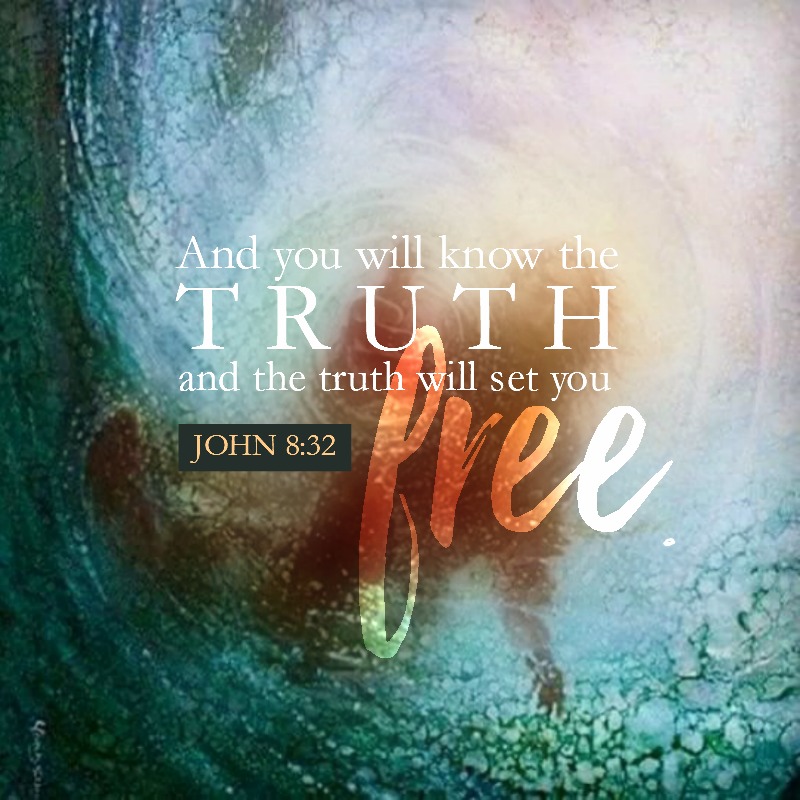
    Christ Jesus said, “Ye shall know the truth, and the truth shall make you free

    John 8:32

    Slaves No More is a favourite term of Juan O Savin and that is what we have awakened to, its also connected to the central banking system of the world. Enslavement became serious when they created a fiat currency and took us off the gold standard some 50 years ago, in 1971. And ever since that day, the value of that Fiat paper currency has been diminishing to the point where is only a few pennies of buying power left of the 100 cents to the dollar. Now it’s almost finished its run so… Slaves No More! As we learn the truth and return to sound money.

  • Girl in a Wetsuit

    Girl in a Wetsuit

    Girl in a Wetsuit

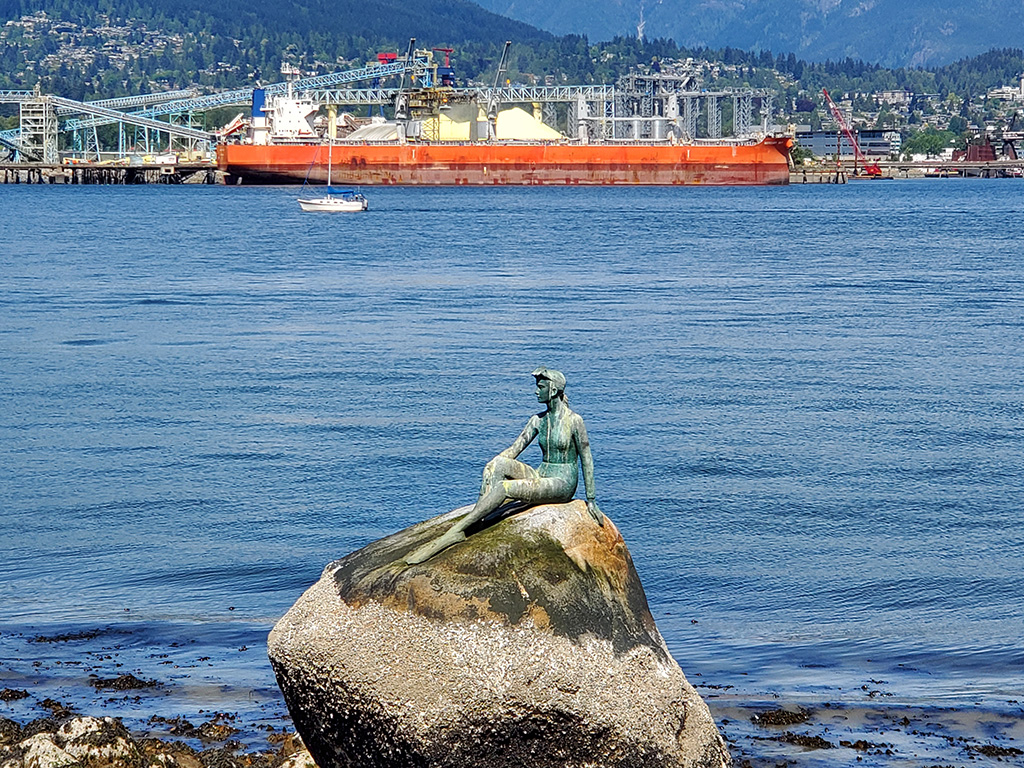
    Girl in a Wetsuit is a life-size 1972 bronze sculpture by Elek Imredy of a woman in a wetsuit, located on a rock in the water along the north side of Stanley Park, Vancouver, British Columbia, Canada.

    Every day, rain or shine, I stop my bicycle on the 10 km ride around the Seawall of Stanley Park and take a photo on my phone of Girl in a Wetsuit. My birthplace is over her shoulder and in all 1700+ snaps. Here is a small sample.

    Girl in a Wetsuit Description

    The bronze sculpture depicts a friend of Imredy’s, Debra Harrington, in a wetsuit with flippers on her feet and a mask on her forehead.

    Controversy

    Although some believe it was a replica of Copenhagen’s The Little Mermaid, the creator stated:

    I didn’t believe we should have a copy of the mermaid. She is rightfully a symbol of Copenhagen… I proposed to have a life-size scuba diver seated there. At that time scuba diving was getting quite popular here in Vancouver and, just as important, I didn’t know of any similar sculpture anywhere in the world. It was a new idea… There was tremendous opposition and great controversy. I still don’t know why.

  • Vancouver Economic Summit celebrates 10 Years in 2022

    Vancouver Economic Summit celebrates 10 Years in 2022

    Steamworks Welcomes the Economic Summit

    Steamworks Brew Pub is the venue for Vancouver Economic Summit April 12, 2022 – 5:30 Happy Hour – Open Debate

    Vancouver Economic Summit celebrates 10 Years in 2022 and now that Corona mandate restrictions have been removed in British Columbia, we are returning to Steamworks Brew Pub at 375 Water Street, Gastown Vancouver (beside water front train station) for Tuesday April 12 at 5:30.

    Join us for Happy Hour at Steamworks to enjoy Appys and Beer, to debate the latest world news and views in an open source, round-table discussion.

    Since 2012 a bi-monthly meetup for “appys and beer” has been held in Vancouver, to host friendly debate and exchange ideas. An agenda is available and members are invited to speak their minds and exercise free speech, in a casual atmosphere with polite decorum.

    We respectfully allow all participants to share viewpoints, on the topics outlined in the articles and videos selected by the founder from the submission of members. The informal nature of the discourse enables a “speed debate”

    HOW TO SPEED DEBATE – “CUT TO THE CHASE”

    What is Speed Debating?

    A debate is a structured argument.  Two sides speak alternately for and against a particular contention usually based on a topical issue.  Unlike the arguments you might have with your family or friends however, each person is allocated a time they are allowed to speak for and any interjections are carefully controlled. 

    Why speed debate?

    It is an excellent way of improving speaking skills and is particularly helpful in providing experience in developing a convincing argument. Those of you who are forced to argue against your natural point of view realize that arguments, like coins, always have at least two sides.

  • Big Doors Swing on Tiny Hinges

    Big Doors Swing on Tiny Hinges

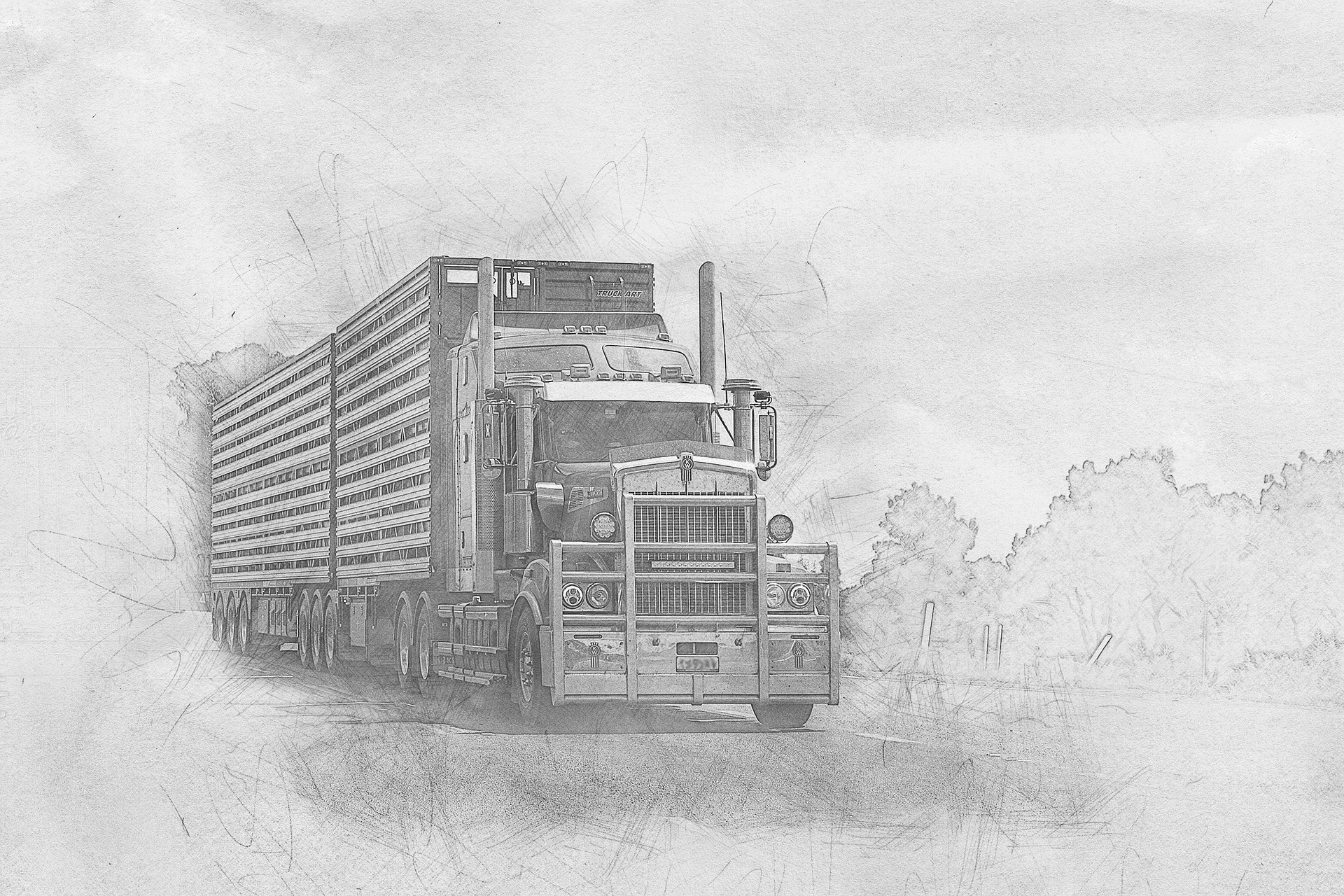
    Freedom Convoy Trucker

    Big doors swing on tiny hinges is a quote attributed to W. Clement Stone, although I’m sure he borrowed it, just like Juan O Savin often does. Many times during interviews Juan mentions that in this war of good versus evil, or children of light versus the forces of darkness (if you prefer), he talks about the “Hand of God” moment in time.

    Today is day 8 of the Freedom Convoy Trucker protest in Canada and to me it feels like a really big door has started to swing. Maybe the hand of God gave it a nudge because what we are witnessing is the largest peaceful rebellion in all of human history.

    It all started at a border not too far from Vancouver, on the British Columbia border to Washington State. A couple of truckers were about to lose their income for not complying to government vaccine mandates (which break the Canadian Charter of Rights). Their freedom of choice was taken from them and they decided to rebel against the beast system.

    There must have been a moment, an instant in time, when one brother said to another, that’s it! I’ve had enough! Imagine… in that single instant, one man decided to stop being a nice polite Canadian and face the tyranny head-on. The only things that truck driver had, was his truck, his phone, his friends and his resolve. Now the entire planet is involved.

    When good people are pushed to the breaking point, especially when they’ve always been civil, there will come a time when even the most timid humans, all of a sudden become the most fierce warriors. We just needed a spark, as in one pissed-off truck driver.

    Rhetoric from PM Trudeau was like gasoline soaked on a mattress, then the spark at the border hit that mattress like a match, to make a roaring house on fire. Now the only thing Trudeau can do is run for his life. And any other leader, anywhere on earth, aligned with Trudeau, will also need to flee for their life.

    There’s no way to put the genie back in the bottle, or toothpaste back in the tube. Trudeau and his cronies should seek asylum on Epstein Island : ) Game is over and the only move is Gitmo. They offer milkshakes, or a fruit smoothie, as last request. Just Cuban soil in the end for JT, vaya con dios.

    The big door that swings on tiny hinges, is pushed by the hand of God. Sure hope you’re on the right side of these Big Doors? Otherwise, don’t let it hit you in the ass on your way out.

    Freedom Convoy Attacked: Frozen GoFundMe & Media’s Lies | BJ Dichter | INTERNATIONAL | Rubin Report

    Big Doors image https://pixabay.com/images/id-4996243/

  • Wild Coyotes of Vancouver

    Wild Coyotes of Vancouver

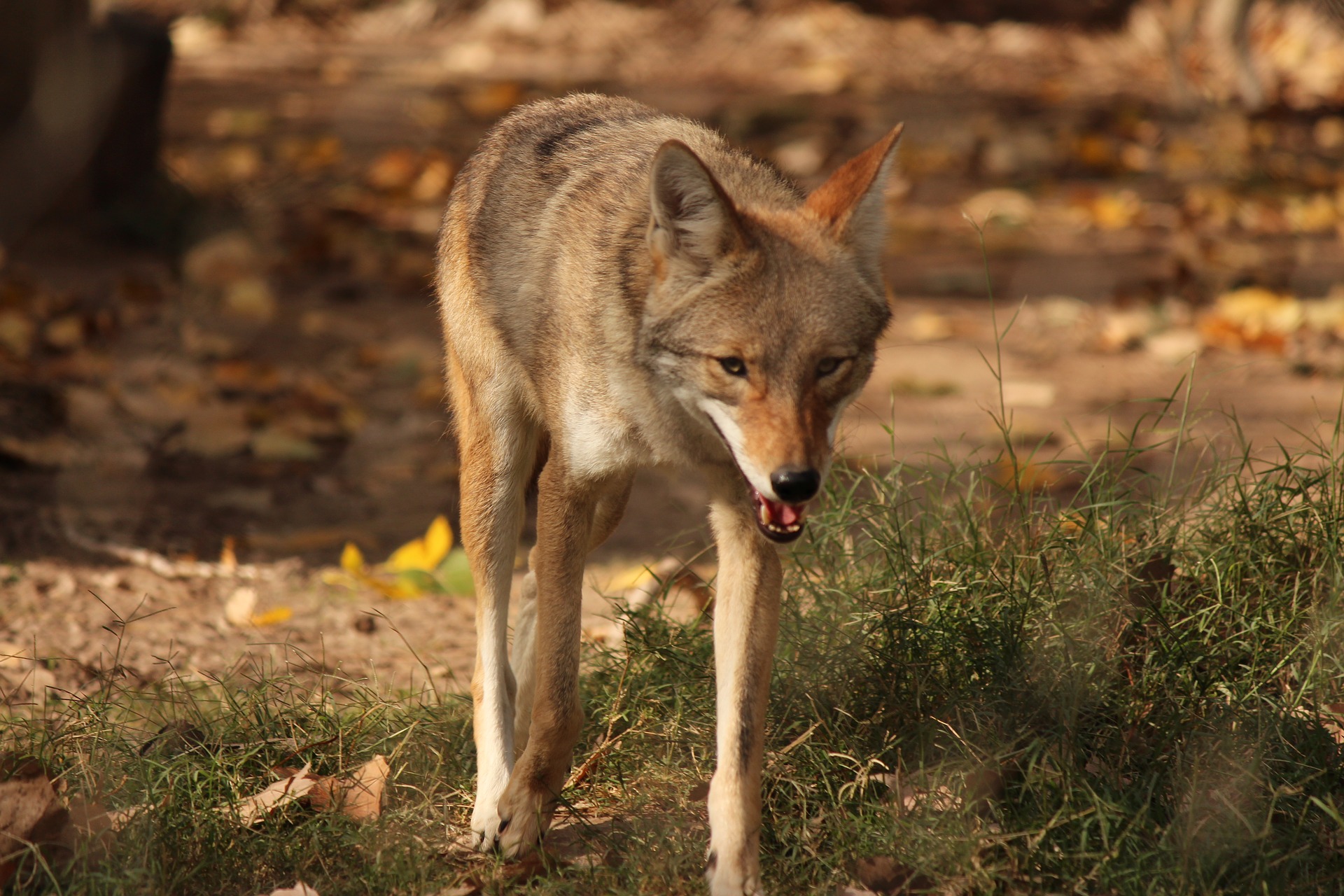
    coyote

    Wild Coyotes co-exist with humans and share a one thousand acre natural habitat. A couple of nights ago I went to see Bikini Beach in Stanley Park, on the edge of the city of Vancouver. I like to walk the sand on low tide and witness the changes made recently by powerful winter storms.

    It was a dark and stormy night about one a.m., when I was passing by the back of the lawn bowling club and I saw in the mist first one coyote and then another. Two wild coyotes were crossing my path as they also came up from the beach. They both looked healthy and stealthy, one even boldly stopped to size me up, then they both ran off into the night.

    Coyotes in Stanley Park

    I was so happy to see the coyotes because it meant they had survived the culling, you see the city had to close the park for 6 weeks this past summer to cull the coyote pack of 35, the Park Rangers said. I occasionally would hear them howl at the siren of ambulances coming over Lions Gate Bridge and onto Georgia Street which crosses through Stanley Park.

    So it was me howling at the moon (in happiness) when I saw the pair of marauding canines. It makes the park all the more wild and free to me. The other thing that’s critical about the coyotes is that they catch and eat the wild rats that live in the rocks along the seashore. If it weren’t for the wild coyotes our precious Bikini Beach would be infested with rats.

    Wild Coyotes are essential to the balance in nature, every critter has a place and a purpose. Every day I see wild animals in Stanley Park, the reason I love Vancouver is nature in the city.

    Update: On January 1, 2022 at 1:57 am I was shutting down for the night and looked out the window into a snow storm, with 3 inches of fresh powder piled up, and low and behold I see a big beautiful healthy wild coyote cruising down the middle of the street. Also, saw a pair coming up from the beach a few nights later. The wild coyotes of Vancouver are thriving in Stanley Park (again) and I take it as a really good omen.

  • Lions Gate Bridge under Construction

    Lions Gate Bridge under Construction

    Vancouver Lions Gate Bridge sunset reflection in a tide pool, 2002

    The Lions Gate Bridge, opened in 1938 and officially known as the First Narrows Bridge, is a suspension bridge that crosses the first narrows of Burrard Inlet and connects the City of Vancouver, British Columbia, to the North Shore municipalities of the District of North Vancouver, the City of North Vancouver, and West Vancouver. The term “Lions Gate” refers to the Lions, a pair of mountain peaks north of Vancouver. Northbound traffic on the bridge heads in their general direction. A pair of cast concrete lions, designed by sculptor Charles Marega, were placed on either side of the south approach to the bridge in January 1939.

    Lions Gate Bridge at Sunset, 2013

    The total length of the bridge including the north viaduct is 1,823 metres (5,981 ft). The length including approach spans is 1,517.3 metres (4,978 ft), the main span alone is 473 metres (1,552 ft), the tower height is 111 metres (364 ft), and it has a ship’s clearance of 61 metres (200 ft). Prospect Point in Stanley Park offered a good high south end to the bridge, but the low flat delta land to the north required construction of the extensive North Viaduct.

    History

    In 1890, land speculator George Grant Mackay wrote in the local paper that he foresaw a bridge over the first narrows. The decision on whether to build the bridge was put to the electorate of Vancouver in 1927, but the first plebiscite was defeated and the idea was put to rest for the time being.

    Lions Gate Bridge from Downtown Vancouver

    Alfred James Towle Taylor, an engineer with a land interest in the construction of the bridge, worked to overcome local opposition to its construction. Taylor was able to convince the Guinness family (of the Irish stout fame) to invest in the land on the north shore of Burrard Inlet. They purchased 1,902 hectares (4,700 acres) of West Vancouver mountainside through a syndicate called British Pacific Properties Ltd.

    Lions Gate Bridge and North Vancouver from Prospect Point in Stanley Park

    On December 13, 1933, a second plebiscite was held, passing with 70 percent in favour. After considerable further negotiations with the federal government, approval was finally granted, with the requirement that Vancouver materials and workmen be used as much as possible to provide employment during the Great Depression. The 1933 bylaw authorizing construction included a provision mandating that “no Asiatic person shall be employed in or upon any part of the undertaking or other works”.

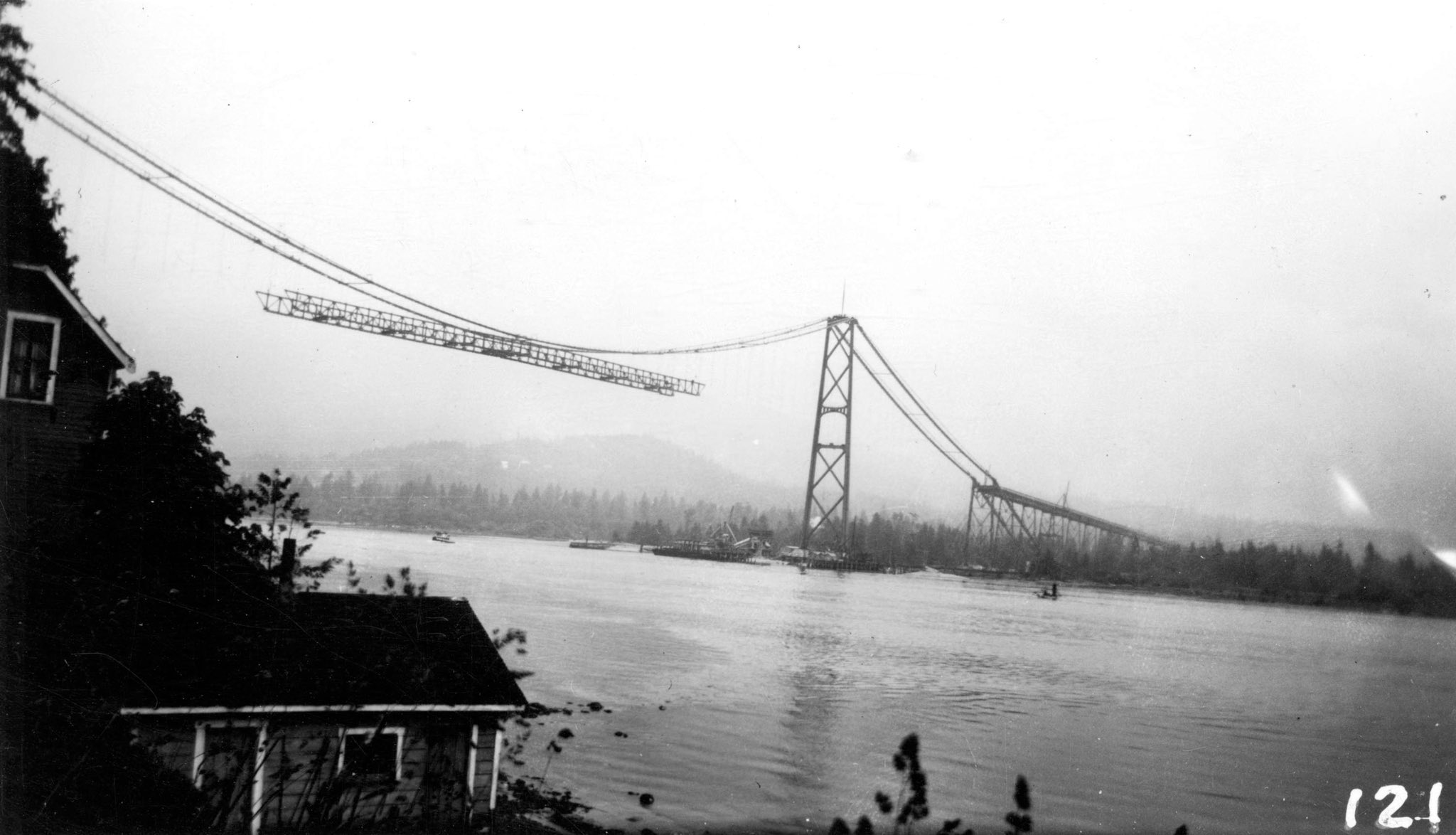
    Lions Gate Bridge under construction, 1938

    The bridge was designed by the Montreal firm Monsarrat and Pratley, which was later responsible for the Angus L. Macdonald Bridge in Halifax, Nova Scotia, using a similar design. Other companies involved in the construction of the bridge included Swan Wooster Engineering, Parsons Brinckerhoff Quade & Douglas, Rowan Williams Davies & Irwin Inc., Canron Western Constructors, Dominion Bridge Company, American Bridge Company.

    Construction began on March 31, 1937. After one and a half years and a cost of CA$5,873,837.17, the bridge opened to traffic on November 14, 1938. On May 29, 1939, King George VI and Queen Elizabeth presided over the official opening during a royal visit to Canada. A toll of 25 cents was charged for each car or horse and carriage; five cents was charged for pedestrians or bicycles.

    On January 20, 1955, the Guinness family sold the bridge to the province of British Columbia for $5,873,837.17 – the cost of the original construction. The newly constructed bridge differed from the current configuration of the bridge as it originally had only two lanes. Yet, as had been foreseen, West Vancouver’s population boomed as a result of the new connection. Thus, to accommodate the increased population, the lanes were divided into three with the middle lane acting as a passing lane. Eventually overhead lane control signals were installed, enabling traffic in the centre lane to be directed in either direction, and facilitating emergency vehicle access by closing off the centre lane.

    Lions Gate Bridge from Stanley Park, 2013

    Another difference with the original configuration was that in an effort to recover the expenditure it cost to build the bridge, the Guinness family had toll booths installed. The toll remained on the bridge until April 1, 1963. Changes were made shortly after, as the tolls were removed and overhead lane controls were added.

    In 1975, the deteriorating original concrete deck of the North Viaduct was replaced with a lighter, wider, and stronger steel orthotropic deck with wider lanes. This was carried out in sections using a series of short closures of the bridge; each time, one old section was lowered from the bridge and its replacement was put into place.

    In 1986 the Guinness family, as a gift to Vancouver, purchased decorative lights that make it a distinctive nighttime landmark. In July 2009, the bridge’s lighting system was updated with new LED lights to replace its system of 100-watt mercury vapour bulbs. The switch to LEDs was expected to reduce power consumption on the bridge by 90 per cent and save the provincial government about $30,000 a year in energy and maintenance costs.

    From 2000 to 2001, the replacement of the entire suspended structure of the original suspension bridge was undertaken without interruption of peak-hour traffic – the first time an entire suspended structure of a major suspension bridge was replaced while in daily use. As with the 1975 replacement work, this was facilitated by a series of separate nighttime and weekend closures to replace one section at a time. The old suspended section was lowered to a barge, and the new lighter and wider orthotropic deck section raised into place and connected. The new deck was designed with the two pedestrian walkways cantilevered to the outside of the suspension cables and the three road lanes widened from 3 to 3.6 metres (10 to 12 ft) each. As a result of the 2001 replacement, the 63-year-old “suspension bridge, not designed for durability, was given a new lease of life”.

  • Bikini Beach, Vancouver

    Bikini Beach, Vancouver

    One of the best kept secrets of the city of Vancouver is the the tiny beach at the entrance to Stanley Park, at the start of Lost Lagoon Drive, where the Pacific kisses the sandy log strewn shores. The beach, some say, earned her name because of it’s size, others say because it’s the best place in a city of dozens of beaches, to see women in bikinis.

    The West End of Vancouver has a long history of bohemian lifestyle, where once upon a time Errol Flynn sailed in and brought his legendary crew, the Rat Pack soon followed and other celebs such Audrey Hepburn all walked the same path, that leads to a stone staircase and descends to the smallest but cutest little swimming beach in the world.

    For over 80 years this one little beach has been ocean access for daily swimmers years round and to this day it is purported that two sisters swim each day, both are over eighty years old, still habitually tread those stairs and dive in to the Pacific from Bikini Beach (also known as “Cowabunga Beach”). Surrounded by the embrace of both the forest and Stanley Park on one side, and the West End metropolis of Vancouver on the other.

    Bikini Beach makes claim to the warmest water in Vancouver but this is a silly debate because the Pacific is so massive and so ever changing that one day is totally different to the next but please realize the the actual water temperature, called Sea surface by NOAA really doesn’t vary much, over a twelve month period. So the swimming at Bikini Beach can be as pleasant in July as March. Maybe more rewarding the worse the day in the middle of the winter.

    My life in the middle of summer, is complete when I have made the trek, which from my Lost Lagoon pad takes about 7 minutes, to reach the sea. Then I relax, chill out and watch the water. Listen to the waves and cleanse away my random access memory by preparing myself for the moment when I dive in. Everything is both new and the same, instant and ancient, the feeling of swimming in the Pacific renews me.

  • Qeyapaplanewx the Great Warrior Chief of the Musqueam

    Qeyapaplanewx the Great Warrior Chief of the Musqueam

    Qeyapaplanewx demands respect and deserves to be honored. Over 300 years ago Vancouver was his Kingdom, he was the Chief of the Musqueam Nation.

    His place marker overlooks the Pacific from a perch above the cliffs and if it were not for a memorial he’d be all but forgotten. Not anymore because I will always have this page to remind me, and anyone else who stumbles upon it, that a man’s face tells an important story and this chief’s tale is epic.

    So I searched out Qeyapaplanewx online and found a story of his European vacation and subsequent return to Canada, via Toronto, after 280 years.

    Centuries-old sketch comes home

    Little-known work showing Musqueam chief made in 1792 by Spanish cabin boy

    ROD MICKLEBURGH

    From Wednesday’s Globe and Mail

    June 4, 2008 at 6:05 AM EDT

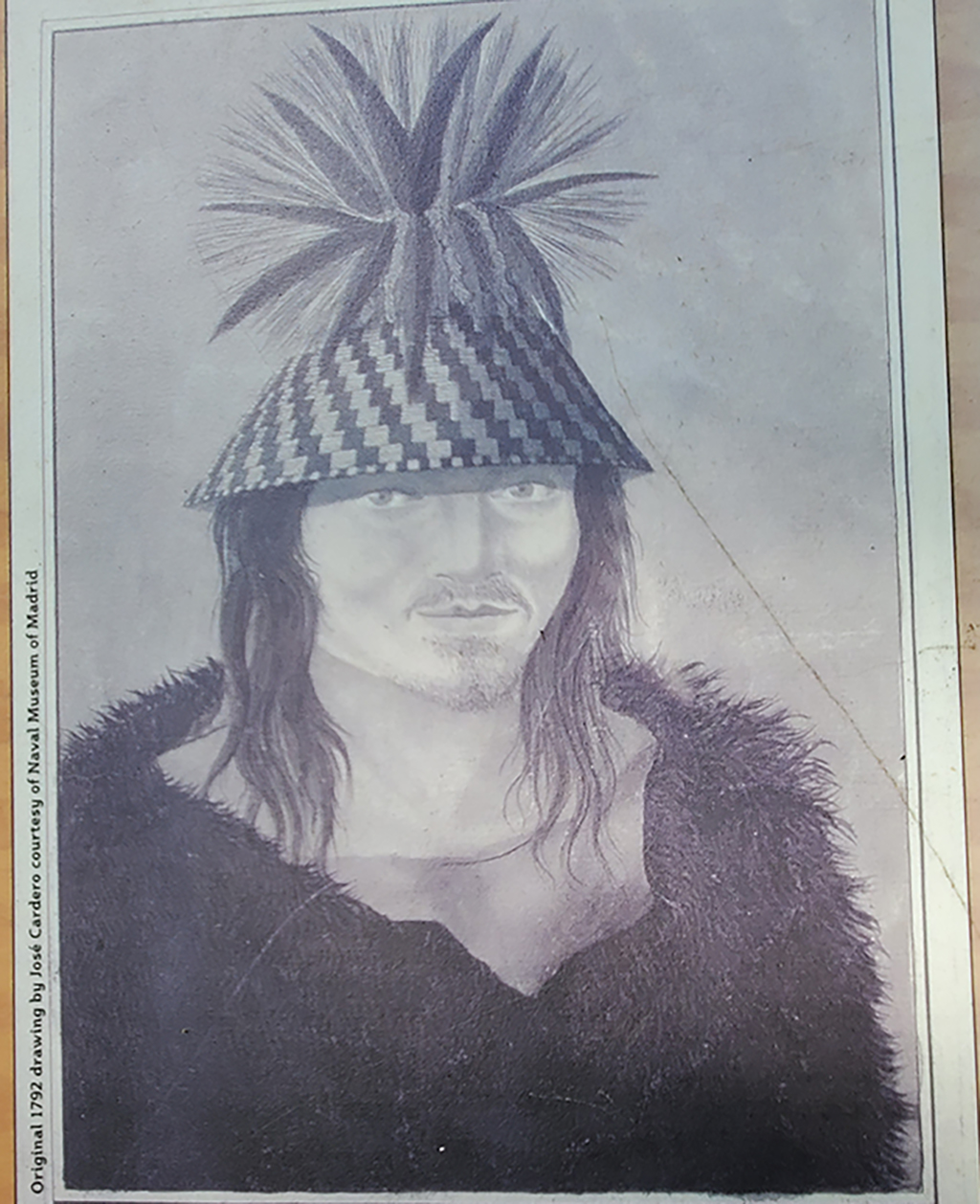
    VANCOUVER — He stares at us from centuries past, a clear, unflinching gaze attesting to his status as a great warrior chief of the Musqueam. Strands of long, dark hair curl past his shoulders and he wears a stylish conical cedar hat adorned with feathers.

    Call him Qeyapaplanewx. That we know about him at all is thanks to a young Spanish cabin boy with an agile sketch pen who drew the Musqueam chief during a visit by his country’s navy to the waters off Point Grey in June of 1792.

    As such, he is the first identified resident of what has long been Canada’s third-largest city, on lands once fished and hunted solely by the Musqueam.

    Yet Jose Cardero’s remarkable drawing, squirrelled away for years in a dark storage area of the Naval History Museum in Madrid, is virtually unknown in Vancouver.This image of Qeyapaplanewx has sat for years in the storage area of a Madrid museum.

    This image of Qeyapaplanewx has sat for years in the storage area of a Madrid museum.The Globe and Mail

    Not any more. Yesterday, the portrait came back – or at least a version of it.

    In a ceremony on Qeyapaplanewx’s old stomping grounds (aka Vancouver City Hall) that stirred bittersweet native emotions, Spain’s ambassador to Canada presented vivid, framed replicas of Mr. Cordero’s historic sketch to the city and to the Musqueam band.

    Struck by the majesty of the little-seen portrait, viewers hoped that the Musqueam chief might now achieve some of the prominence of the city’s non-native namesake, Captain George Vancouver, who was in the harbour on his own ship at the same time as Mr. Cordero made his drawing.

    “Capt. Vancouver had artists, too, but they ignored the natives,” said historian Robin Inglis.

    Musqueam lawyer Jim Reynolds suggested the portrait be used on the front of the city’s tourist brochures. “It’s a reminder that we have a tremendous history that all of us should cherish. I’m surprised it’s so little known.”

    Band councillor Howard Grant, wearing a business suit with no conical cedar cap in sight, claimed to be a descendant of the Musqueam leader from long ago.

    “I remember meeting my great-uncle who was 106 when he died in 1954. So he’d have been born in 1848, and his grandfather would have been there when the Spanish came,” said Mr. Grant, 62.

    “So the warrior chief would have been my great, great ancestor.

    “Now, we can loop it all back to 2008. The drawing has a dramatic significance for us. Is this not clear evidence that we used to own all our territory? It makes me proud.”

    Former chief Delbert Guerin called the replica an amazing depiction of the 18th-century Musqueam warrior.

    “It makes me very happy to have this. I only even heard about this picture a couple of years ago. To me this a very honourable day.”

    But Mr. Guerin said his joy is tempered by the portrait’s unspoken indication of how much the band has lost since the Spaniards and British arrived.

    “It’s a reminder of all that has taken place, so there’s a strong sense of loss. This is still our unceded territory, and I think our chief would have been very disappointed at what has happened.”

    The gift from Spanish Ambassador Mariano Alonso-Buron was also a reminder of the almost-forgotten presence of Spain in the early days of West Coast exploration.

    While Capt. Vancouver and Captain James Cook, who first met B.C. natives at Nootka on Vancouver Island in 1778, are celebrated by local historians and residents alike, few know that most of the early charting of the West Coast was carried out by Spanish mapmakers.

    During June of 1792, for instance, there was perhaps the city’s first traffic jam, as Capt. Vancouver’s vessel was joined by two Spanish naval ships in Burrard Inlet.

    But the British had staying power, as reflected by Capt. Vancouver’s immediate renaming of the point where the University of B.C. and many mansions are today as Point Grey.

    The Spanish had called the imposing peninsula Langara, a name that lives on in a few city locations, including Langara Community College.

    Not many know that such well-known place names as the city’s Spanish Banks, Tofino, Port Alberni, Galiano, Valdes Island and Malaspina stem from the early Spanish naval explorers who prowled up and down the coast for the last 50 years of the 18th century.

    Even Jose Cordero, the cabin boy-turned-artist, is remembered by the Strait of Cordero, which runs between the north of Vancouver Island and the mainland.

    “With this drawing, he will always have a local significance,” said Mr. Inglis, the historian. “His subject, the Musqueam chief, is the first known citizen of what is now Vancouver.”