Author: Aaron

  • Chinese New Year

    Chinese New Year

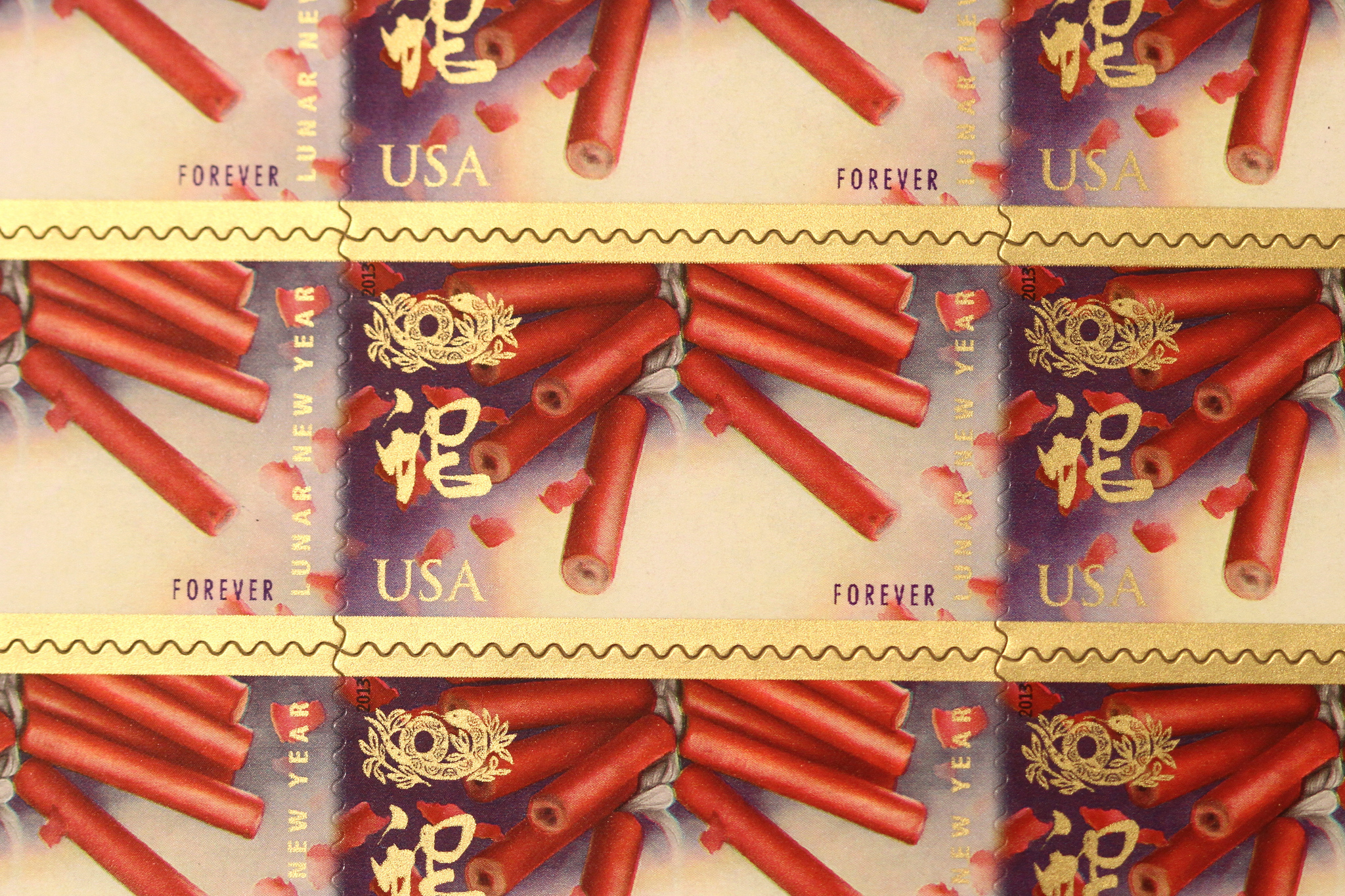
    Chinese New YearChinese New Year, also known as the Spring Festival (simplified Chinese: 春节; traditional Chinese: 春節; pinyin: Chūn Jié) in modern China, and one of the Lunar New Years in Asia, is an important Chinese festival celebrated at the turn of the traditional lunisolar Chinese calendar. Celebrations traditionally run from the evening preceding the first day, to the Lantern Festival on the 15th day of the first calendar month. The first day of the New Year falls on the new moon between 21 Jan and 20 Feb. In 2018, the first day of the Lunar New Year is on Friday, 16 February, initiating the year of the Dog.

    It is one of the world’s most prominent and celebrated festivals, with the largest annual mass human migration in the world. It is a major holiday in China and has had strong influence on the lunar new year celebrations of its geographic neighbours, including Taiwan, Hong Kong, Macau, Singapore, Indonesia, Malaysia, Korea, Thailand, Vietnam, Cambodia, Mauritius, Australia, and the Philippines.

    The New Year festival is centuries old and associated with several myths and customs. Traditionally, the festival was a time to honour deities as well as ancestors. Within China, regional customs and traditions concerning the celebration of the Lunar New Year vary widely. Often, the evening preceding Lunar New Year’s Day is an occasion for Chinese families to gather for the annual reunion dinner. It is also traditional for every family to thoroughly clean the house, in order to sweep away any ill-fortune and to make way for incoming good luck. Windows and doors are decorated with red colour paper-cuts and couplets with popular themes of “good fortune” or “happiness”, “wealth”, and “longevity”. Other activities include lighting firecrackers and giving money in red paper envelopes. In about one third of the Mainland population, or 500 million Northerners, dumplings (especially those of vegetarian fillings) feature prominently in the meals celebrating the festival.

    Photo credit: DrPhotoMoto on Visualhunt.com / CC BY-SA
  • Open Source Investigation as Info Weapon

    Open Source Investigation as Info Weapon

    Open Source InvestigationWe the people want the truth, good bad and ugly. Open source investigation helps to expose more factual information but unfortunately along with more dis-information, all needed to fill-in a timeline of an alleged crime in working-theory. Much groundbreaking work has been done by Lee Stranahan from Citizen Journalism School, George Webb from @TruthLeaks and Jason Goodman from Crowd Source the Truth on Youtube. In a very short time the industry of open source investigative, citizen journalism, or as Jason so aptly named it “crowd source the truth”.

    Once the crowd source investigation reaches a stonewall or dead-end, where important information is being withheld, then we know we’re over the target, of possible deep-state corruption and/or cover-up. These cases need to be elevated in urgency and steps taken towards obtaining FOIA (freedom of information act) requests. Often the investigators will get tips and leads when a case loses traction but it’s generally obvious when an investigation hits-up against a immovable object and needs to find ways around.

    Liberty and privacy are connected, conversely: truth and transparency are connected and open source journalism provides some privacy to some of the researchers. It’s important that we continue to support these intrepid researchers and foster this fledgling industry.

    Journalism (as a trade) is in an environment of extreme threat, as confidential sources dry-up.

    Crowd-source journalism builds a case on a timeline with factual evidence or recognized citations from verifiable sources, all open to fact-checking and dot-connecting, then back-checked by the crowd.

    We live in a world where whistle-blowers are more important than ever, we need to respect the risk and continue to design and develop a framework of investigation management that enables anonymous disclosure, while at the same time vet the sources and corroborate.

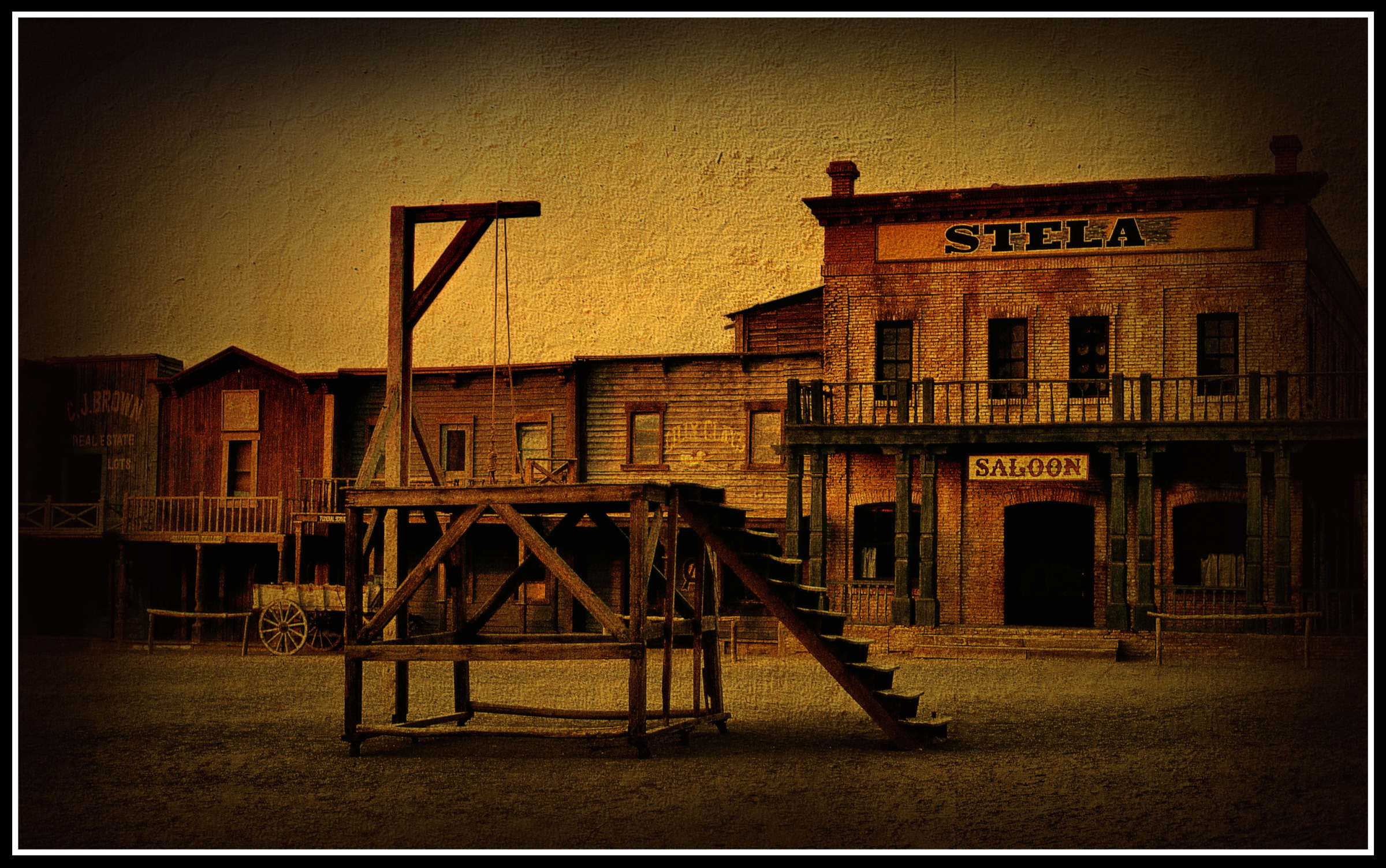
    Photo credit: Jose Luis Mieza Photography on VisualHunt / CC BY-NC-SA

  • Orange on Brown Road

    Orange on Brown Road

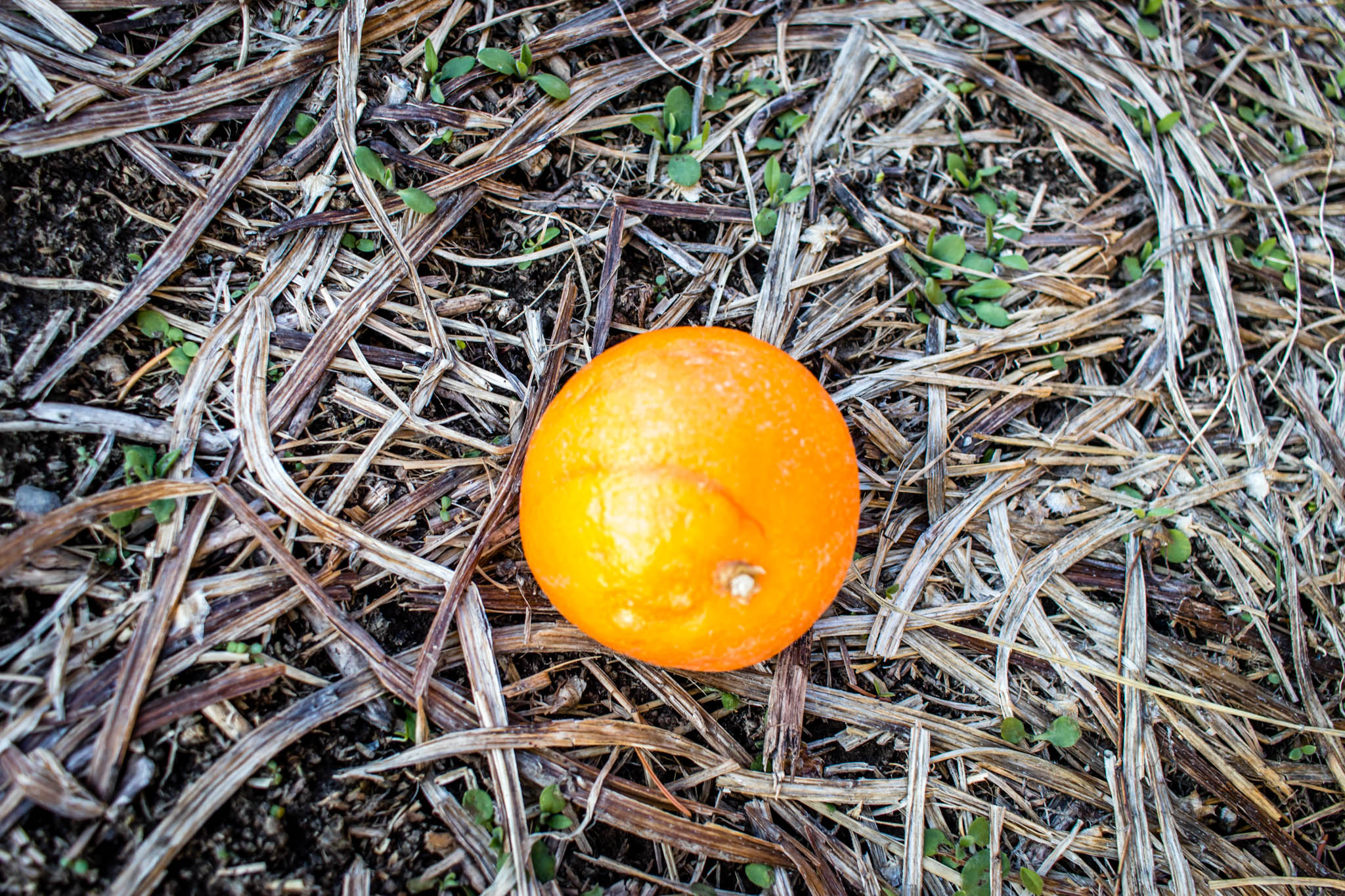
    Orange on Brown RoadDo you ever wonder if there’s hidden meaning to random things we see? Like a clue from the universe? Being of Irish descent it’s impossible not to think about superstition or ruminate about coincidence and chance. As the famous Irish ditty goes” I’m looking over, a four leaf clover that I overlooked before…. How about a frozen orange on Brown Road?

    So Brown Road is a major cross road in the small town of Westbank BC. The mile or so road ends abruptly at another street, across which there is a large empty field, at the edge of which is a clearly defined path with no obstructions and would have been the extension of Brown Road, if it were to extend but it doesn’t. However, the path does and is ideal for my bicycle and would also provide me with an excellent vantage point to take some photos of the small picturesque town where I live.

    The sky was blue and sunny, the air crisp and cold, and the ground hard and frozen. Perfect riding conditions, as I peddled all the way to the back top corner where I noticed some empty trailers parked for the winter. I dismounted near the trailers and parked my bike. Then I removed my backpack and unpacked some camera lenses, then prepared to take some photos.

    As I was walking around seeking the best angle along the fence-line I was looking down on the hard frozen ground, first noticing a chain and rusted lock, then nearby I spotted something completely out of place. An orange, perfectly preserved was frozen to the ground. How did it get there and how come no-one walked past and disturbed it? Could it have fallen out of somebody’s pocket or accidentally dropped in that exact spot on the day, or perhaps evening that the trailers were parked in the top corner of the field?

    My mind has been returning to the thought of the orange frozen to the ground, I’m almost tempted to go back and see if it’s still there. I wonder if the nearest orange tree is two thousand miles away. I wonder if I’m lost in space to even waste a minute thinking about the lost orange?

  • Silicon Definition from Wikipedia

    Silicon Definition from Wikipedia

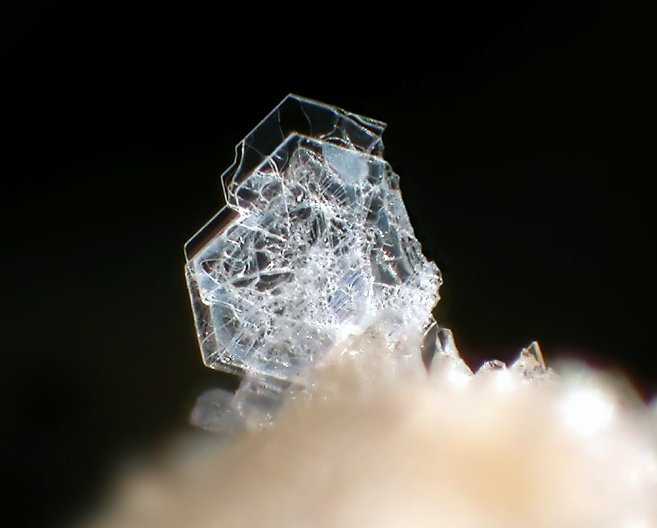
    Close up photo of a piece of purified silicon.
    Close up photo of a piece of purified silicon.

    In the universe, silicon is the seventh most abundant element, coming after hydrogen, helium, carbon, nitrogen, oxygen, and neon. These abundances are not replicated well on Earth due to substantial separation of the elements taking place during the formation of the Solar System. Silicon makes up 27.2% of the Earth’s crust by weight, second only to oxygen at 45.5%, with which it is always associated in nature. Further fractionation took place in the formation of the Earth by planetary differentiation: Earth’s core, which makes up 31.5% of the mass of the Earth, has approximate composition Fe25Ni2Co0.1S3; the mantle makes up 68.1% of the Earth’s mass and is composed mostly of denser oxides and silicates, an example being olivine, (Mg,Fe)2SiO4; while the lighter siliceous minerals rise to the surface and form the crust, making up 0.4% of the Earth’s mass.

    The crystallisation of igneous rocks from magma depends on a number of factors; among them are the chemical composition of the magma, the cooling rate, and some properties of the individual minerals to be formed, such as lattice energy, melting point, and complexity of their crystal structure. As magma is cooled, olivine appears first, followed by pyroxene, amphibole, biotite mica, orthoclase feldspar, muscovite mica, quartz, zeolites, and finally hydrothermal minerals. This sequence shows a trend towards increasingly complex silicate units with cooling, and the introduction of hydroxide and fluoride anions in addition to oxides. Many metals can substitute for silicon. After these igneous rocks undergo weathering, transport, and deposition, sedimentary rocks like clay, shale, and sandstone are formed. Metamorphism also can occur at high temperatures and pressures, creating an even vaster variety of minerals.

    Silicon is a chemical element with symbol Si and atomic number 14. A hard and brittle crystalline solid with a blue-grey metallic lustre, it is a tetravalent metalloid and semiconductor. It is a member of group 14 in the periodic table, along with carbon above it and germanium, tin, and lead below. It is rather unreactive, though less so than germanium, and has a very large chemical affinity for oxygen; as such, it was first prepared and characterized in pure form only in 1823 by Jöns Jakob Berzelius.

    Silicon is the eighth most common element in the universe by mass, but very rarely occurs as the pure element in the Earth’s crust. It is most widely distributed in dusts, sands, planetoids, and planets as various forms of silicon dioxide (silica) or silicates. Over 90% of the Earth’s crust is composed of silicate minerals, making silicon the second most abundant element in the Earth’s crust (about 28% by mass) after oxygen.

    Most silicon is used commercially without being separated, and often with little processing of the natural minerals. Such use includes industrial construction with clays, silica sand, and stone. Silicates are used in Portland cement for mortar and stucco, and mixed with silica sand and gravel to make concrete for walkways, foundations, and roads. They are also used in whiteware ceramics such as porcelain, and in traditional quartz-based soda-lime glass and many other specialty glasses. Silicon compounds such as silicon carbide are used as abrasives and components of high-strength ceramics.

    Elemental silicon also has a large impact on the modern world economy. Most free silicon is used in the steel refining, aluminium-casting, and fine chemical industries (often to make fumed silica). Even more visibly, the relatively small portion of very highly purified silicon used in semiconductor electronics (< 10%) is essential to integrated circuits — most computers, cell phones, and modern technology depend on it. Silicon is the basis of the widely used synthetic polymers called silicones.

    Silicon is an essential element in biology, although only tiny traces are required by animals. However, various sea sponges and microorganisms, such as diatoms and radiolaria, secrete skeletal structures made of silica. Silica is deposited in many plant tissues, such as in the bark and wood of Chrysobalanaceae and the silica cells and silicified trichomes of Cannabis sativa, horsetails and many grasses.

  • Spiritual Warfare Protection

    Spiritual Warfare Protection

    Spiritual Warfare ProtectionThe past shows that there’s always been a Spiritual war of good versus evil, for sure the proof has always been there, plus throughout history there’s been bad guys and good guys and from the beginning of time; good people have succumbed to bad ideas. However it’s the cover-up and obstruction of truth that makes any bad idea into an evil act. People have to die when the government has to lie, thus enacts the cover-up process which causes endless cycles of more pain (to the people).

    We live in troubling times because our power structure is corrupt and the people lost control (partially) of the government that was inside the government, also known as the “Deep State”.

    We live in a world where anything could happen, at any time, in any place, because there’s powerful evil forces in positions of control. If that idea makes you uncomfortable, imagine if this struggle for power has always been happening? How did it begin and where did it come from? These are the essential questions you’d want to know, after asking “how do we stop it?”

    This slideshow requires JavaScript.

    As I see it, the only way forward is; to become the change… expose things that need truth. Spiritual! pray to God daily for a blessing, for positive change, for protection from evil and to be with us.

  • Silicon Palms Kaizen

    Silicon Palms was always a kaizen concept as a business, developing websites is what we set-out to do. Design and develop online company start-ups. The original dream for the company faded over time and Silicon Palms became more of a web administrator and lost it’s start-up level spirit. The company needed some exciting new ideas and that’s exactly what we got. Recently we started designing a new strategy to sell Silica and Silicates, so we’re exploring opportunities related to resource mining and commodity trading, of Silica from South America.

    Kaizen in kanji

    Kaizen-2.svg
    By Majo statt SenfOwn work, CC BY-SA 4.0, Link

    Meanwhile Silicon Palms is involved in cryptocurrency trading and the promotion of Bitcoin, Blockchain and Cryptocurrency (more about this in the near future).

    The projects we’ve developed and the businesses we built will remain with us, as Silicon Palms metamorphoses into it’s own Brand, while enacting Kaizen on it’s core-purpose to begin transformation towards the next level and into new markets.

    kai·zen
    ˈkīzən/

    The Japanese word kaizen simply means “change for better”, with inherent meaning of either “continuous” or “philosophy” in Japanese dictionaries and in everyday use. The word refers to any improvement, one-time or continuous, large or small, in the same sense as the English word “improvement”. However, given the common practice in Japan of labeling industrial or business improvement techniques with the word “kaizen”, particularly the practices spearheaded by Toyota, the word “kaizen” in English is typically applied to measures for implementing continuous improvement, especially those with a “Japanese philosophy”.

  • John Perry Barlow has Left the Meat Space

    John Perry Barlow has Left the Meat Space

    John Perry Barlow[box style=”rounded” size=”large” border=”full”]Incredibly sad to learn about the untimely passing of John Perry Barlow, Internet Pioneer, 1947-2018[/box]

    [box type=”note” style=”rounded”]Read:  A Declaration of the Independence of Cyberspace – John Perry Barlow, Davos 1996 [/box]

    John Perry Barlow (JPB) was an inspiration, he was my hero. I will never forget that he answered the phone for me once and he was in London and getting a back massage, late in the evening. His voice was changing as he spoke, from the pleasure he was receiving but he had the decency to take the call and this was in the days before caller ID. In 1999 I was the CEO of Rock-n-Roll.com and JPB had agreed to become the first advisor on our advisory board and he was advising us on how to set rock and roll free. Perhaps that the company failed along with Napster and hundreds of other free music download sites, just because you can’t own rock ‘n roll and to even try to capture it for re-distribution, in a purely artistic ideology, destroys what rock ‘n roll is.

    For the following 20 years, after having met John Perry Barlow by telephone and through email correspondence, his ideas have never left me. The first question he asked us about Rock-n-Roll.com was “is it open source?” and I’d never heard the term but seen it on the content management systems (CMS) we were using at that time (pre-wordpress), everything we used for web development were plugins cobbled together on to an open source platform like a BBS (bulletin board system). Web development wasn’t turn-key back then, so we used open source software BUT that was not what JPB was asking and at that time I was too naive to understand what he meant.

    I thought often about that call to London and other conversations I’d had with this incredible intellect and I thought that I was among the few who admired the mind and ideas of this cool dude and was able to reach him. Also, I felt that he gave me a chance because I was a BC cattle country red-neck that was way out of my league in the digital download music space. Anyone could tell my love for rock ‘n roll but we did share that also, plus I was the webmaster for the Bob Marley Movement in Miami at that time, so I had enough kudos to grab his attention. What we were attempting to do was create a global free search engine of rock music to identify where are the free lyrics and legal cover tracks, of each and every rock song in each and every genre. Years later I learned that JPB was so beloved that there was a thing called a “Barlow frenzy” which was an instant viral message blast of his whereabouts at 4:20, so fans could join him for an impromptu happy-hour, or even late night party. It was a big deal to be on that mobile phone message list, especially in San Francisco but it worked the same, anywhere in the world – press send and “poof” instant party!

    Needless to say that the death of Napster killed almost every other digital download website and the domains of Rock-n-Roll.com (rockandroll.com & rocknroll.com) were sold off and the company was disbanded but not before we had built a subscriber list of 1 million double opt-in subscribers. Also, I was invited to speak at a recording industry event at Bilboard Live in Miami Beach a few days before the Latin Grammy’s were to be held in the same the building and interestingly at the same time that the rock band “The Stripes” were launching their careers from the very same venue. I was given 10 minutes to speak to a room full of the top music industry executives at which time I frisbee’d a whole stack of CD Roms and told them this online is a dollar download, a dollar, a dollar, a dollar, as I tossed the disks all over the floor I explained that on that day 3 billion illegal downloads would happen and they were wasting time and money with the disks.

    John Perry Barlow made me understand the concept of the idea economy, he never to me for long but what he did say, aside from that he also liked Bob Marley’s music, was that if you created an idea that was good and you gave it away enough times, and kept improving both the idea and how you were giving it away, that eventually your ideas would become valuable and that there are more ways than can be imagined to make value from ideas. Our limitation is our imagination.

    God Bless John Perry Barlow and may he rest in peace.

  • Reflections on Amazonia

    Reflections on Amazonia

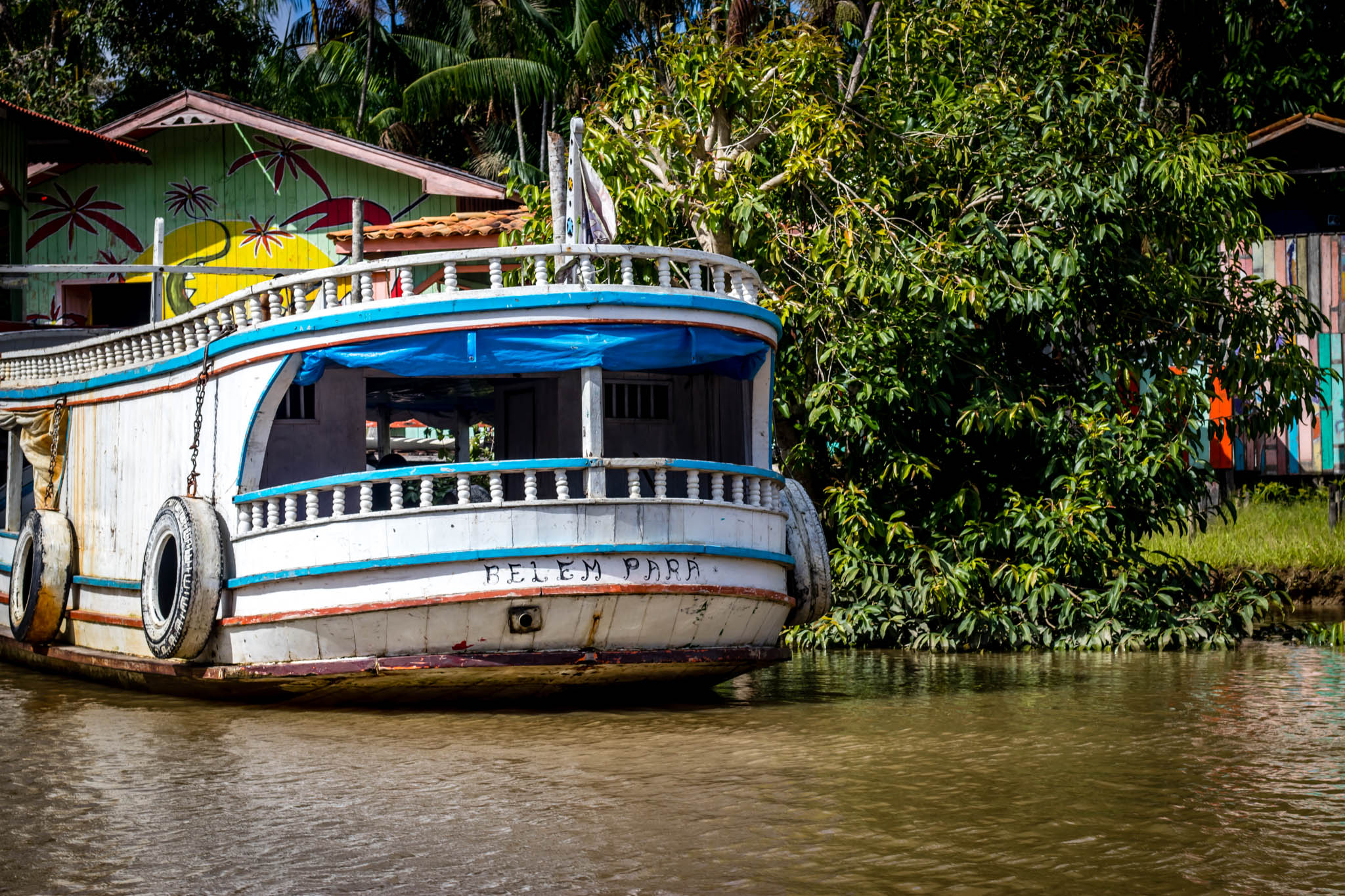
    Belem do Para is on a part of the river known as the “Lower Amazon”, although the entire region is known in Brazil as the Amazonia. I could say without a doubt that it’s the most memorable place I have ever been, not for a single reason that I would have suspected (before I arrived), however for a couple of reasons I never would have guested – the culture and the beauty. Belem do Para was like fantasy island for me, plus another amazing slice of Brazil, to make me love it all the more. By now I’ve spent over a dozen years getting to know the South American country.

    The Amazon river is enchanting and the city of Belem is very mystical. With an equatorial tropical climate, only 24 miles from the Atlantic which provided an afternoon breeze, heaven sent salvage from the ravaging sun, it’s the perfect setting for an out-of-this-world cultural experience. The history of the river and the mystery of the city make a perfect marriage.

    The food and music of this city of just over two million souls, was rich and sweet, filled with passion and vigor. The people of Belem really like to party and the city may have been designed for the perfect party place, since all the roads lead to parks and squares. It was normal to see music buses with huge sound sound systems and dancefloor on the roof, with a large group of people dancing along behind. It’s a common thing for the people to party dance in a parade.

    Bicycle riders like me, find themselves in paradise because there are 90 kms of bike paths, plus the city has so many riders that the cars have become used to bicycles and it’s common to see couples and even families riding on the same bike. There’s bicycles everywhere you go and places to park them provided at most grocery stores, malls and even restaraunts can offer valet bicycle treatment, yes they have designated space in guarded parking lots too.

  • Amazing Opportunity

    Amazing Opportunity

    The most amazing opportunity in modern time in my mind, is the potential of algorithmic trading of cryptocurrency or FOREX and MLM (multi-level marketing).

    Trading systems can cream cryptos because they are so volatile but fundamentally, for the foreseeable future, they’re mostly headed upward, especially the ICO’s but this entire new “security” (same as a stock) is heading upward and this idea leverages people’s greed and the fact that they feel they missed out on BitCoin, add to that that a person can start marketing and promoting for free, or buy-in with a minimum of $60 worth of BitCoin/Etherium, it empowers Mom’s and Pop’s to jump in and start talking up how they just got into BitCoin (and you can too). People with dough will plow hoards into this, unlike other MLM products, so in your downline you may have a group of people starting with $100k, as that is what is happening in London (my upline is in London). The company is called USI Tech Intl. registered in Dubai UAE, they’re about to grow massive and we’re on the ground floor.

    I’ve been studying this sector (hybrid technology and pyramid marketing) and a good old high-school friend from Kelowna, (Karate champion and self made millionaire), was making a killing on one of these programs (called CoinXL) but then it was bought by a bigger company and I was put on hold while a new company was taking shape. Then as I kept researching I came across the most amazing entrepreneur I’ve ever seen (for us) and he is in Brazil right now, he’s a German named Horst Jicha and he built several huge firms and just before retiring stumbled onto the above mentioned hybrid ideology. You must watch the 15 minute interview of Horst Jicha.

    See this video on the Digital Tycoons channel about the founder Horst Jicha: https://youtu.be/xnskaw66XBg

    And join my team by clicking on the link that say’s “Get started now” – https://siliconpalms.usitech-int.com/

    This is the easiest duplicate way to become a BitCoin Billionaire faster than any other way. Your friends and family can help their people too, this is perfect timing for helping allot of people.

  • Awesome on the Amazon

    Belem do Para, Brazil - November 2017

    The most amazing thing happened to me, when I saw this river with my own eyes, experienced this city, and realized why they named it Bethlehem.

    I’ll be adding more photos here as I process my first week back in Brazil and first time in my life on the rio Amazonas

    Many years ago I was interviewed and published in Gringoes.com and have always followed the best Expat website in Brazil, so I found it very appropriate that I should borrow a story by Pedro Souza for Gringoes.com

    18 Astonishing Facts About the Amazon Rainforest

    Covering most the northwest of Brazil as well as parts of Peru, Colombia, Venezuela, Ecuador, Chile, Suriname, Guyana and French Guyana, the Amazon Rainforest is the largest rainforest in the world. This forest has always fascinated and inspired those who have seen its beauty and amazing biodiversity. To get you better acquainted with it, we have compiled some facts about this wonderful forest.

    Running through 8 countries from the Andes to the Atlantic Ocean and passing through the Amazon Rainforest, the Amazon River is the largest river in the world in terms of volume. It deposits 12.6 million liters of water per minute in the Atlantic Ocean. It is also the second longest river in the world, standing behind only the Nile River in Egypt.

    The forest took more than 50 million years to form

    It is believed that more than 5 million people inhabited the Amazon Rainforest at one point. By 1980 its population stood at less than 200,000. Nowadays, there is an estimated 2,500 people inhabiting the forest.

    Archeological evidence found inside a cave known as Caverna da Pedra Pintada (Cave of the Painted Rock) suggest that humans settled in the Amazon at least 11,200 years ago.

    The Amazon Basin covers an area of 7,000,000 square kilometers, of which 5,500,000 square kilometers are covered by rainforest. Currently, the Amazon Rainforest represents half of all the world’s rainforests. In fact it is so large that if it was a country it would be the 9th largest in the world.

    It is estimated that the Amazon Rainforest has over 390 billion trees. Unfortunately, that number decreases every day.

    There are more fish species in the Amazon rainforest than in all of Europe. Fish play a key role in the diet and life of many of the forest’s inhabitants.

    In 1542, Spanish explorer and conquistador Francisco de Orellana became the first European to travel the length of the Amazon River.

    The Amazon rainforest is the most biodiverse forest in the world. So far, biologists have already catalogued around 2.5 million insects, 2,200 fishes, 1,300 birds, 430 amphibians, 40,000 plants, 380 reptiles and 430 mammals that live in it.

    A third of all bird species discovered so far live in the Amazon Rainforest.

    There are around 215 ethnic groups living in the Amazon Rainforest, speaking over 170 different languages.

    More than 70% of the deforestation of the forest is currently caused by cattle ranching.

    The forest is sometimes referred to as the “lungs of the planet” because it produces around 20% of the world’s oxygen.

    There are around 3,000 known edible fruits species in the amazon, of which only 200 are cultivated. The natives eat around 1,500 of all these species.

    An estimated 50 tribes that have never had any contact with civilization live in the Amazon Rainforest.

    The loudest creature in the Amazon rainforest is the Toucan, which can be heard from almost a kilometer away.

    A single hectare of the Amazon Rainforest hold around 900 tons of living plants.

    The Amazon rainforest receives around 3 meters of rainfall every year.

    By Pedro Souza

    Source: Gingoes.com