If you love Adobe there’s no end to the tools, resources and tutorials for the Creative suite and the King digital art design tool; Photoshop, that you can find online. However, good design is just the start, as it’s the color palette that will make a design stand-out and “pop” (as they say) and the use of multiple colors is the key.
Welcome to the new Color experience of the Adobe Kuler! They’ve been hard at work rebuilding and adding some surprises along the way. Create your perfect palette by choosing a base color and applying our Color Rules. Convert your color themes to Pantone swatches, then download them to use in desktop applications.
It’s not rocket science to choose a good distinct color palette but Adobe has certainly made it as easy as it can be. Some colors just don’t belong together, while others are inseparable. The correct use of colors can make even the most dry academic document better, or financial brochure have impact that causes the eye to pay attention, compared to a boring page of text.
I’ve noticed that Adobe has phased-out the name Kuler and yet that’s how I still find the resource that’s been around for over a decade that I know about, probably even longer….
Adobe Color Community Guidelines
Adobe Color is a an application that allows creative professionals to explore, create, and share color themes. Please follow our Community Guidelines to help ensure the community experience on Adobe Color is enjoyable, inspiring, and safe for all users.
The easiest product endorsement for me to make is that Kona Bikes Rock! The love story started in the 80’s in place on the North Shore of Vancouver called Deep Cove, when one fine Sunday afternoon in the month of June two Dudes emerged from the woods on bicycles that were covered in mud and at a glance your could tell that they had just been extreme off-road.
What I was witness to, was the birth of mountain bike development, as those were the early generation of Kona Bikes that were made for the off-road, right near where I first saw them. Ever since that day I’ve loved the breakthrough that is mountain bike riding and appreciate the way in which Kona Bikes have remained on the cutting edge of radical riding.
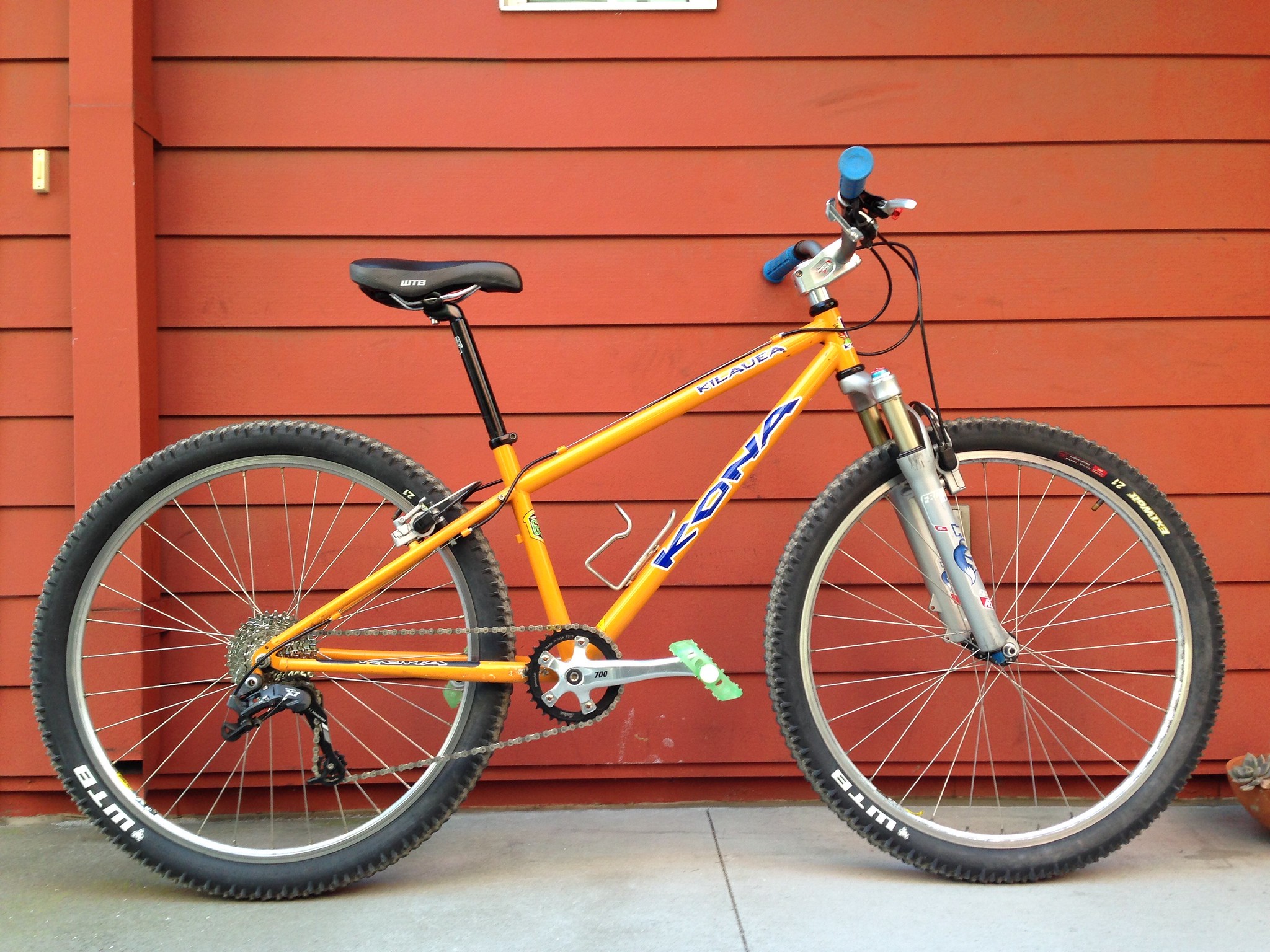
Now of course the company has gone global for decades and has Kona World for online bike selection, in every category, not just radical off-road, downhill mountain bikes. Kona makes every type of bike and I’ve owned them for years, here’s a classic Kona Therefore I made this page for an archive of Bike photos from over the years.
Sampa Mongoose Mountain Bike Aug 24, 2012
Kona Bikes is a bicycle company based in the Pacific Northwest. The company was founded in 1988 by Dan Gerhard and Jacob Heilbron in Vancouver, British Columbia,
Canada. Still owned by Gerhard and Heilbron, their world headquarters
are located in Ferndale, Washington, with Canadian distribution offices
in Vancouver, and European distribution offices in Geneva, Switzerland.
Gerhard and Heilbron worked initially with Mountain Bike Hall of Fame rider Joe Murray
to create a range of custom steel hardtails. Kona was the first brand
to produce a complete range of sloping top tube design mountain bike
frames.
Paul Brodie collaborated with the TBG and was likely instrumental in
implementing the sloping top tube design from previous work with Rocky
Mountain and with his own company.
The Canadian headquarters are located near the famous North Shore mountains of Vancouver, leading Kona to develop a range of Freeride mountain bikes in 1998 known for durability as well as for their ability to handle extremely technical downhill terrain.
the kona is finally done, no longer sharing parts with any other bikes 🙂
Kona has gone on to develop a complete range of road, commuter, cyclo-cross in addition to a complete range of mountain bikes. Using a range of materials including carbon fiber, titanium, aluminum and steel, Kona’s bikes are sold in over 60 countries worldwide.
NOTE: Only 5 days after I posted the above story, my favourite Kona Bike was stolen from in front of my apartment. In broad day light the combination lock was picked or the Krypto cable was cut with bolt cutters, either way, in 60 seconds something so precious, having travelled twice to Brazil and thousands of miles of riding in BC, was stolen from me.
Do we categorize crop circles under Art, Design, Projects or Mind? Maybe it involves all? How do you begin to explain these magnificent land tattoos? Naughty Beaver and other people can read these things like breakfast cartoons, so perhaps we should listen to what they are saying about them, besides who does not want to Learn the Truth About Crop Circles?
Let’s start with the newest beauty – Notre Dame of France, Nr Moisselles, France. Reported 1st June, 2019.Images Aéroclub Les Ailerons d’Enghien Moisselles Copyright 2019
From the onset there can only be two main considerations; man-made, or ET, on that we can agree, it either has to be one or the other. Humans put them there, or another species put them there. It’s great learning about something that has only the two variables. Let’s take a listen to what Naughty Beaver says about Crop Circles….
When gods Speak To Men. The PI Crop Circle Explained. Naughty Beaver
Personally, I can’t imagine organizing the number of people it would take to covertly make these things, while no-one was watching, doing this over such an extended period of time. Also, people have tried to fake some and are not able to bend the plant stems in such perfect unison, plus human activities are so obvious to researchers, and they can’t find proof.
This is a bad time in human history to discount any ideas provided by someone who legally calls himself Naughty Beaver, or anyone else who has some idea what the meanings of these geometric designs. Can we at least agree that these are coded messages? Also, consider that they’re created by “Extra Dimensional” or perhaps, as the eye witnesses suggest, super high-energy hovering orbs, that appear to be acting collectively as a devices to tattoo the earth, in places that humans will find, record, and decipher.
Scientific community no longer functions as it should, to investigate natural phenomena and to measure, record and hypothesize. Go-ahead; give it your best shot to explain and see if you’re institute of higher learning will grant you a scholarship to study this magnificent bread-crumb trail. Good luck!
Some of us know intuitively that it’s a meaningful and beneficent message. On a much deeper level it’s possible that when star seeds see these markings it triggers in some of us, embedded code to begin preparing for something that all crop circles seem to be telling us, a planet is coming. It’s like the High Electrical Voltage danger warning sign, it doesn’t require allot of imagination.
NOTE: The Research community is well established and contains some of the world’s smartest deductive thinkers. The best and brightest have tried to debunk or solve crop circles.
The Crop Circle Connector is just one of the best but there are many Crop Circle Hunters, let’s start learning the truth about crop circles, don’t you think we deserve to know what they say?
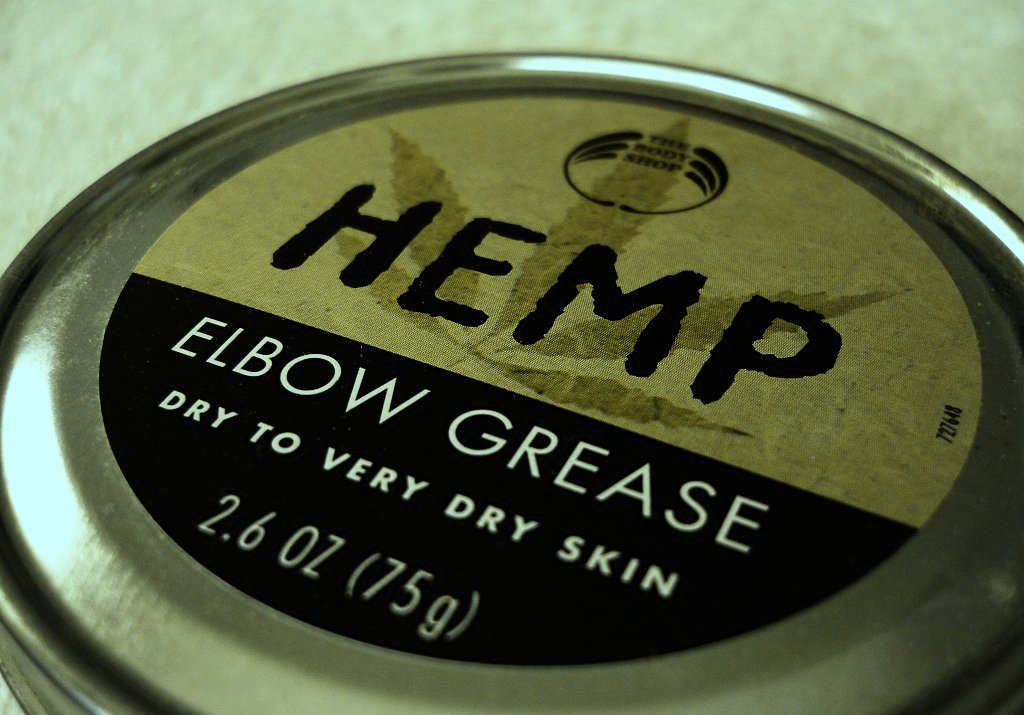
Hemp is not weed, yet this Cannabis grows the hope for a brave new future and the best chance to defeat plastic. Aside from the practical, it has other benefits like comfort. Once you switch to wearing Hemp instead of cotton you’ll never go back. Further, I’m not paid by Patagonia to tell you that I’ve been a member, follower and customer for longer than I can remember, since I’m still learning and inspired by the Patagonia responsible corporate leadership and ace stewardship of our environment.
My favourite gifts to give are the shirts off my back and I know my friends are still wearing the Patagonia Hemp shirts I’ve given away, as well as Hemp hats and Tee-shirts (hemp/cotton blend). However, my all time favourite shirt was given to me by the most famous Hemp clothing manufacturer; Hoodlamb from the very founders, in Amsterdam, at their fabulous design studio. I still wear the black short-sleeve button-down with pride and will never forget the day in the Hoodlamb factory and the coolest design studio I’ve ever seen.
Misunderstood | A Brief History of Hemp in the US
Natural. Misunderstood. Legal. This is the story of hemp in the United States. A forbidden fiber in the U.S. since 1970, hemp has taken the heat for almost five decades. Until the Farm Bill passed in December of 2018, hemp was federally illegal to grow for commercial purposes, making it risky for businesses to invest in a new crop that was incorrectly classified as a drug. Visit Patagonia.com/hemp to learn more.
Hemp Facts and Statistics
Here is a short list of general facts about hemp.
• Hemp is thought to be the first domestically-cultivated plant, with
evidence of hemp fabric dating to 8,000 years ago found in Turkey
(former-day Mesopotamia). Other evidence suggests cultivation further
back by two or more thousands of years.
• The word hemp has been used in the past to Europe to describe other fiber plants, including sisal and jute.
• Beer hops (Humulus genus) are a close cousin of genus Cannabis, both of which fall under family Cannabaceae.
• Hemp products are now legal in the United States, although
ingredients or end products are currently imported from other countries –
particularly Canada.
• Hemp was not always treated as the same as marijuana by the U.S. government.
• The word “marihuana” (now marijuana) was coined in the 1890s, but
not used until the 1930s by the U.S. Bureau of Narcotics (replaced by
the DEA) to refer to all forms of cannabis.
• According to the documentary “The Union: The Business Behind
Getting High” (available at YouTube), the first marijuana law in the
United States was enacted in 1619, in Jamestown Colony, Virginia, and
actually required farmers to grow hemp. Benjamin Franklin used hemp in
his paper mill – one of the country’s first – and the first two copies
of the Declaration of Independence were supposedly written on hemp
paper.
• In parts of the Americas, hemp was legal tender and could be used to pay taxes.
• Hemp paper is stronger than wood-based paper, and can withstand
more folding. In general, hemp has strongest natural fiber of any
source.
• Hemp paper hundreds of years old (found in museums) has not yellowed, and is thus a high quality paper of archival quality.
• Marijuana plants cannot be hidden amongst hemp plants. The former
grows wide and less tall (5-10 feet), whereas the latter is grown more
densely and taller (10-15 feet), to produce maximum stalk fiber lengths.
• Hemp can grow nearly anywhere in the world, in many types of soil —
even in short growing seasons or in dry regions — and helps purify soil
as well as kills some types of weeds
• Hemp can grow without pesticides. The crop is also kills some
weeds, purifies soil, and is suitable for rotation use, due not only to
its short harvest cycle (120 days).
• Hemp is a high-yield crop. One acre of hemp produces twice as much
oil as one acre of peanuts, and nearly four times as much fiber pulp
(for paper) as an acre of trees.
• Hemp paper is naturally acid-free and does not yellow as quickly as tree pulp-based paper.
• Hemp has the strongest (and longest) plant fiber in the world,
resistant to rot and abrasion, and was in long use before DuPont
patented nylon in 1937. It was used for ship rigging, military uniforms,
parachute webbing, baggage and more.
• Because of its strength, hemp fiber can be used for composite
materials that could be used to make anything from skateboard decks to
car and stealth fighter bodies.
• A hemp composite material (with limestone and water) forms a type
of concrete (hempcrete) that can be used for home building, at 1/9th the
weight. It also acts as insulation and repels some vermin.
• Levi jeans were originally made from hemp sailcloth (and rivets),
for goldminers in California, who would fill their pockets with gold.
• By the 1800s, the state of Kentucky produced about half of the
industrial hemp in the U.S. The first hemp crop there was planted in
Boyle County in 1775.
• Henry Ford, founder of the Ford Motor Company, created a plastic
car in 1941 which ran on hemp and other plant-based fuels, and whose
fenders were made of hemp and other materials. Ford had a plan to “grow
automobiles from the soil.” (Note: a company in France is experimenting
with a similar vehicle in current day.)
• Despite the active Marijuana Tax Act and the official federal
government stance on hemp and marijuana, the U.S. Army and the Dept of
Agriculture jointly produced a 1942 film, “Hemp for Victory,”
encouraging farmers to grow hemp for the country’s effort in World War
II — particularly for textiles and rope, imports of which had been cut
off by war. Over 100,000 acres of hemp was growing in the U.S., but all
related permits were canceled when WW II ended.
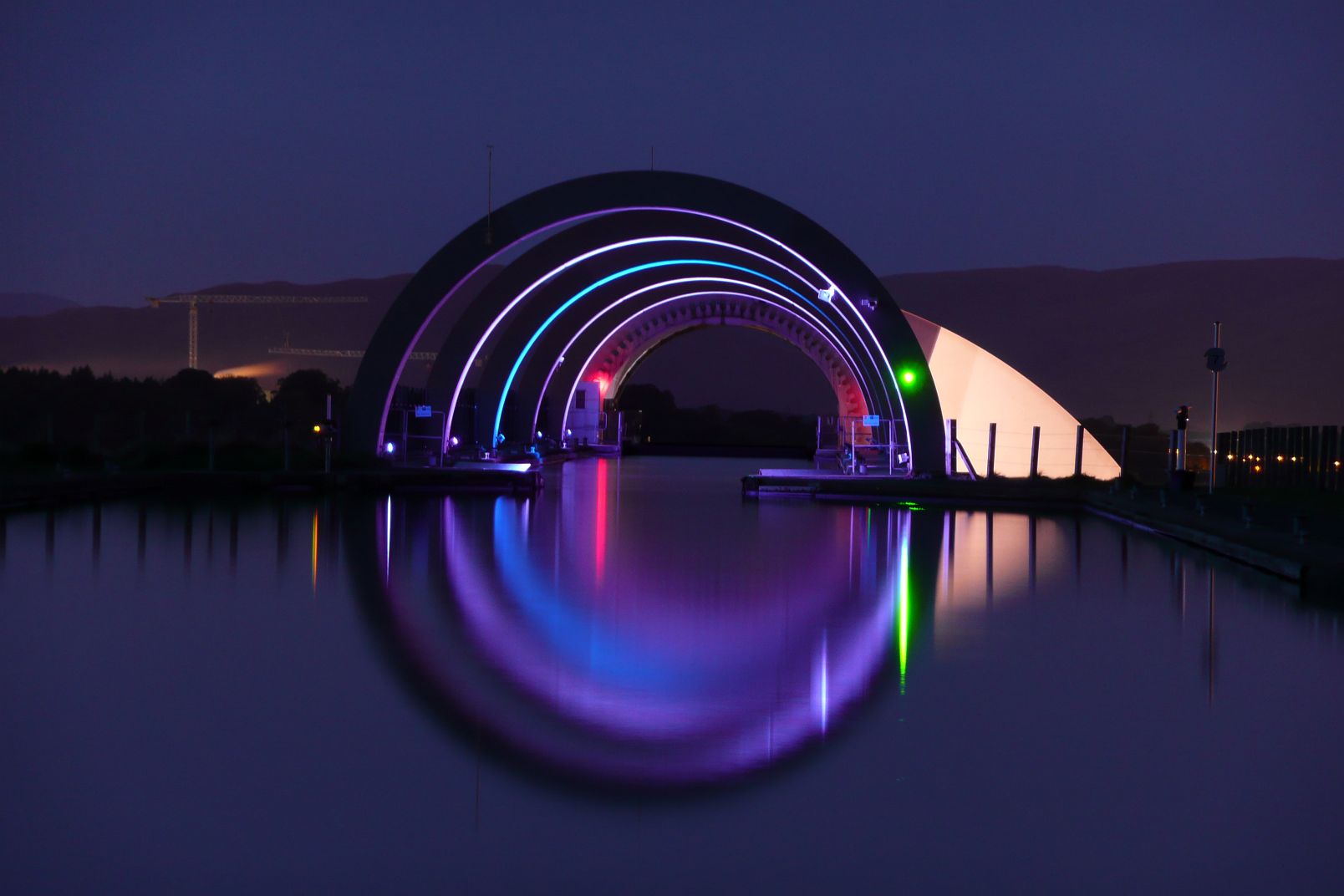
Windows Ten has a the feed of images that act as screen savers and provide new photographs that have been chosen for how engaging they are, a little pop-up asks if you like what you see? If you’re a Windows user you probably know it. This is how I first saw the Falkirk Wheel and beside the night time photo it asked; can you guess what this is?
Pardon my ignorance but I didn’t know about the canals of Scotland and never heard of a the Falkirk wheel, have you?
The Falkirk Wheel is a rotating boat lift in central Scotland, connecting the Forth and Clyde Canal with the Union Canal. The lift is named after Falkirk, the town in which it is located. It reconnects the two canals for the first time since the 1930s. It opened in 2002 as part of the Millennium Link project.
The wheel raises boats by 24 metres (79 ft), but the Union Canal is still 11 metres (36 ft) higher than the aqueduct which meets the wheel. Boats must also pass through a pair of locks between the top of the wheel and the Union Canal. The Falkirk Wheel is the only rotating boat lift of its kind in the world, and one of two working boat lifts in the United Kingdom, the other being the Anderton Boat Lift.
Ever since the first time I saw Visual Hunt it’s been the most commonly visited website for me, next to Drudge Report and Zero Hedge. That one resource changed publishing for me because I always knew I would be able to find a suitable image that wouldn’t cause a copyright issue. Until Visual Hunt was known to me, I would use Google image search and basically steal IP from whomever and hope for the best, that method was not sustainable.
Then there was Visual Hunt
High quality free photos in one place. They hunt for best free images from many online sources and pull them all together in one spot. Most of their photos are CC0 license (do whatever you want). Additionally they offer all Creative Commons and Public Domain photos from sources like Flickr and make it possible to embed them directly from their website.
click to go huge size
Here’s some links to give you an idea how cool the site is
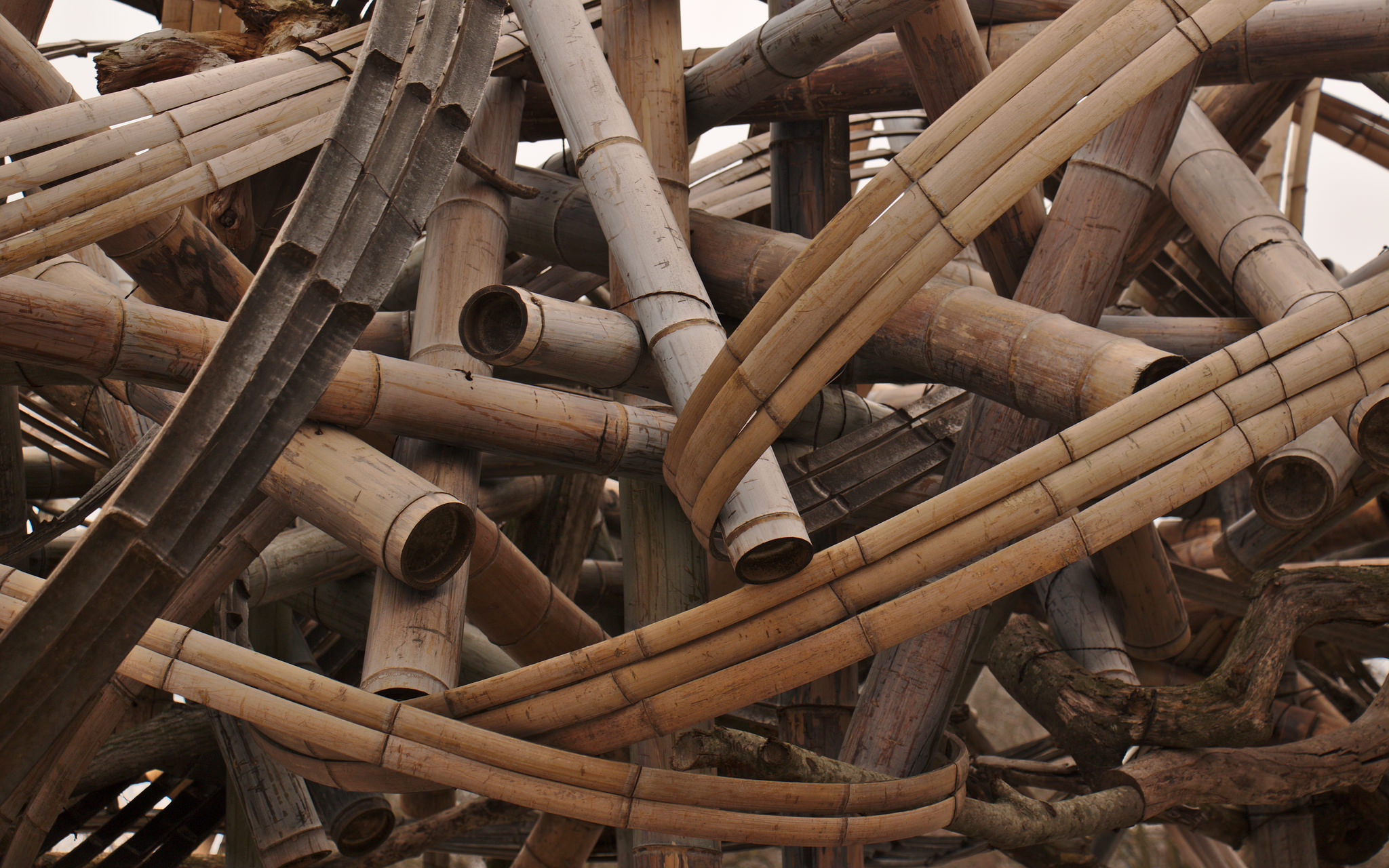
Bamboo has been used in China, India and throughout the tropics around the globe for centuries. As a construction material once you understand it’s superior qualities and it’s suitability for certain jobs, why use anything else? Maybe it’s because we don’t have bamboo growing naturally in Europe and North America and bamboo is being used in a major populated areas but often for the wrong purpose (scaffolding) and not as a design feature.
Crazy cool fact about flowering bamboo is that all plants of one species develop flowers at the same time, no matter where they are located in the world.
Bamboo is not well suited for mass producing apartment buildings, or cookie cutter box style houses en mass, since everything to do with Bamboo is custom, one stick at a time but that’s what makes it so great and unique for building with but it’s the superior quality construction material that makes it one of the most Super-Awesome plants on earth.
Bamboos seldom and unpredictably flower, and the frequency of flowering varies greatly from species to species. Once flowering takes place, a plant declines and often dies entirely. In fact, many species only flower at intervals as long as 65 or 120 years.
Any plant derived through clonal propagation from this cohort will also flower regardless of whether it has been planted in a different location. The longest mass flowering interval known is 130 years, and it is for the species Phyllostachys bambusoides (Sieb. & Zucc.). In this species, all plants of the same stock flower at the same time, regardless of differences in geographic locations or climatic conditions, and then the bamboo dies.
The lack of environmental impact on the time of flowering indicates the presence of some sort of “alarm clock” in each cell of the plant which signals the diversion of all energy to flower production and the cessation of vegetative growth. This mechanism, as well as the evolutionary cause behind it, is still largely a mystery.
Interesting facts about bamboo:
There are 1,500 species of bamboo that can be found in Asia, Australia, North and South America and Sub-Saharan Africa.
Bamboo is the fastest growing plant on the planet. Bamboo grows at 2 inches an hour. Some species grow one and a half meters a day.
Bamboo strands release 35% more oxygen than equivalent stands of trees.
Some bamboo even sequester up to 12 tons of carbon dioxide from the air per hectare.
Bamboo can also lower light intensity and protects against ultraviolet rays.
Bamboo is a pioneering plant and can be grown in soil damaged by overgrazing and poor agricultural techniques.
Bamboo’s tensile strength is 28,000 pounds per square inch versus 23,000 pounds per square inch for steel.
One clump can produce 200 poles in the three to five years.
Bamboo can be harvested in 3-5 years versus 10-20 years for most softwoods.
The largest species of bamboo can reach 130 feet in height.
Some species of bamboo develop flowers after 65 or 120 years.
A wonderful resource for understanding bamboo and bamboo treatment is Bamboo Central, founded by Linda Garland and her son, Arief Rabik.
Bamboo U and Ibuku Design from Indonesia
Bamboo U is for you if your mind is ready for the coolest school for learning bamboo construction techniques on earth. And see firsthand the work of the company Ibuku which is the bespoke luxury home designers that grew as an entrepreneurial off-shoot of Bamboo U.
Bamboo Distribution
Most bamboo species are native to warm and moist tropical and warm temperate climates, However, many species are found in diverse climates, ranging from hot tropical regions to cool mountainous regions and highland cloud forests.
In the Asia-Pacific region they occur across East Asia, from north to 50 °N latitude in Sakhalin, to south to northern Australia, and west to India and the Himalayas. China, Japan, Korea, India and Australia, all have several endemic populations. They also occur in small numbers in sub-Saharan Africa, confined to tropical areas, from southern Senegal in the north to southern Mozambique and Madagascar in the south.
In the Americas, bamboo has a native range from 47 °S in southern Argentina and the beech forests of central Chile, through the South American tropical rainforests, to the Andes in Ecuador near 4,300 m (14,000 ft). Bamboo is also native through Central America and Mexico, northward into the Southeastern United States, Canada and continental Europe are not known to have any native species of bamboo. As garden plants, many species grow readily outside these ranges, including most of Europe and the United States.
Recently, some attempts have been made to grow bamboo on a commercial basis in the Great Lakes region of east-central Africa, especially in Rwanda. In the United States, several companies are growing, harvesting, and distributing species such as Phyllostachys nigra (Henon) and Phyllostachys edulis (Moso).
Bamboo, like true wood, is a natural composite material with a high strength-to-weight ratio useful for structures.
In its natural form, bamboo as a construction material is traditionally associated with the cultures of South Asia, East Asia, and the South Pacific, to some extent in Central and South America, and by extension in the aesthetic of Tiki culture. In China and India, bamboo was used to hold up simple suspension bridges, either by making cables of split bamboo or twisting whole culms of sufficiently pliable bamboo together. One such bridge in the area of Qian-Xian is referenced in writings dating back to 960 AD and may have stood since as far back as the third century BC, due largely to continuous maintenance.
Bamboo has also long been used as scaffolding; the practice has been banned in China for buildings over six stories, but is still in continuous use for skyscrapers in Hong Kong. In the Philippines, the nipa hut is a fairly typical example of the most basic sort of housing where bamboo is used; the walls are split and woven bamboo, and bamboo slats and poles may be used as its support. In Japanese architecture, bamboo is used primarily as a supplemental and/or decorative element in buildings such as fencing, fountains, grates, and gutters, largely due to the ready abundance of quality timber.
Various structural shapes may be made by training the bamboo to assume them as it grows. Squared sections of bamboo are created by compressing the growing stalk within a square form. Arches may similarly be created by forcing the bamboo’s growth into the desired form, costing much less than it would to obtain the same shape with regular wood timber. More conventional forming methods, such as the application of heat and pressure, may also be used to curve or flatten the cut stalks.
Bamboo can be cut and laminated into sheets and planks. This process involves cutting stalks into thin strips, planing them flat, and boiling and drying the strips; they are then glued, pressed, and finished. Long used in China and Japan, entrepreneurs started developing and selling laminated bamboo flooring in the West during the mid-1990s; products made from bamboo laminate, including flooring, cabinetry, furniture, and even decorations, are currently surging in popularity, transitioning from the boutique market to mainstream providers such as Home Depot. The bamboo goods industry (which also includes small goods, fabric, etc.) is expected to be worth $25 billion by 2012. The quality of bamboo laminate varies among manufacturers and varies according to the maturity of the plant from which it was harvested (six years being considered the optimum); the sturdiest products fulfill their claims of being up to three times as hard as oak hardwood while others may be softer than standard hardwood.
Bamboo intended for use in construction should be treated to resist insects and rot. The most common solution for this purpose is a mixture of borax and boric acid. Another process involves boiling cut bamboo to remove the starches that attract insects.
Bamboo pavilion in the Shenzhen Biennale 2009
Bamboo has been used as reinforcement for concrete in those areas where it is plentiful, though dispute exists over its effectiveness in the various studies done on the subject. Bamboo does have the necessary strength to fulfil this function, but untreated bamboo will swell with water absorbed from the concrete, causing it to crack. Several procedures must be followed to overcome this shortcoming.
Several institutes, businesses, and universities are researching the use of bamboo as an ecological construction material. In the United States and France, it is possible to get houses made entirely of bamboo, which are earthquake- and cyclone-resistant and internationally certified. Three ISO standards are given for bamboo as a construction material.
In parts of India, bamboo is used for drying clothes indoors,
both as a rod high up near the ceiling to hang clothes on, and as a
stick wielded with acquired expert skill to hoist, spread, and to take
down the clothes when dry. It is also commonly used to make ladders,
which apart from their normal function, are also used for carrying
bodies in funerals. In Maharashtra, the bamboo groves and forests are called Veluvana, the name velu for bamboo is most likely from Sanskrit, while vana means forest.
Furthermore, bamboo is also used to create flagpoles for saffron-coloured, Hindu religious flags, which can be seen fluttering across India, especially in Bihar and Uttar Pradesh, as well as in Guyana and Suriname in South America.
Bamboo was used for the structural members of the India pavilion at Expo 2010 in Shanghai. The pavilion is the world’s largest bamboo dome, about 34 m (112 ft) in diameter, with bamboo beams/members overlaid with a ferro-concrete slab, waterproofing, copper plate, solar PV panels, a small windmill, and live plants. A total of 30 km (19 mi) of bamboo was used. The dome is supported on 18-m-long steel piles and a series of steel ring beams. The bamboo was treated with borax and boric acid as a fire retardant and insecticide and bent in the required shape. The bamboo sections were joined with reinforcement bars and concrete mortar to achieve the necessary lengths.
I feel compelled to begin blogging again, since I have some ideas and information I’d like to share and also want to keep a few things posted here for myself. Actually, I’ve always thought the best thing about blogging was to collect information that makes me pleased that it’s been added.
The Flower of Life has been partly what prompted me to make this post, as rumour has it, that particulates had been reported, containing this design, or similar, in the very molecular structure of the dust that had dropped.
The name “Flower of Life” is modern, associated with the New Age movement, and commonly attributed specifically to Drunvalo Melchizedek in his book The Ancient Secret of the Flower of Life (1999).
Cultural significance
Near East
The oldest known occurrence of the “overlapping circles” pattern is dated to the 7th or 6th century BCE, found on the threshold of the palace of Assyrian king Aššur-bāni-apli in Dur Šarrukin (now in the Louvre).
The design becomes more widespread in the early centuries of the Common Era. One early example are five patterns of 19 overlapping circles drawn on the granite columns at the Temple of Osiris in Abydos, Egypt, and a further five on column opposite the building. They are drawn in red ochre and some are very faint and difficult to distinguish. The patterns are graffiti, and not found in natively Egyptian ornaments. They are mostly dated to the early centuries of the Christian Era although medieval or even modern (early 20th century) origin cannot be ruled out with certainty, as the drawings are not mentioned in the extensive listings of graffiti at the temple compiled by Margaret Murray in 1904..
Similar patterns were sometimes used in England as apotropaic marks to keep witches from entering buildings. Consecration crosses indicating points in churches anointed with holy water during a churches dedication also take the form of overlapping circles.
In Islamic art, the pattern is one of several arrangements of circles (others being used for fourfold or fivefold designs) used to construct grids for Islamic geometric patterns. It is used to design patterns with 6- and 12-pointed stars as well as hexagons in the style called girih. The resulting patterns however characteristically conceal the construction grid, presenting instead a design of interlaced strapwork.
Europe
Patterns of seven overlapping circles are found on a Cypro-Archaic cup of the 8th-7th century BC in Cyprus] and Roman mosaics, for example at Herod’s palace in the 1st century BC. They are also found in the Hindu temple at Prambanan in Java. The design is found on one of the silver plaques of the Late Roman hoard of Kaiseraugst (discovered 1961). It is later found as an ornament in Gothic architecture, and still later in European folk art of the early modern period.
High medieval examples include the Cosmati pavements in Westminster Abbey (13th century). Leonardo da Vinci explicitly discussed the mathematical proportions of the design.
The pattern and modern name have propagated into wide range of usage in popular culture, in fashion, jewelry, tattoos and decorative products. The pattern in quilting has been called diamond wedding ring or triangle wedding ring to contrast it from the square pattern. Besides an occasional use in fashion, it is also used in the decorative arts. For example, the album Sempiternal (2013) by Bring Me the Horizon uses the 61 overlapping circles grid as the main feature of its album cover, whereas the album A Head Full of Dreams (2015) by Coldplay features the 19 overlapping circles grid as the central part of its album cover. Teaser posters illustrating the cover art to A Head Full of Dreams were widely displayed on the London Underground in the last week of October 2015.
The “Sun of the Alps” (ItalianSole delle Alpi) symbol has been used as the emblem of Padanian nationalism in northern Italy since the 1990s. It resembles a pattern often found in that area on buildings.
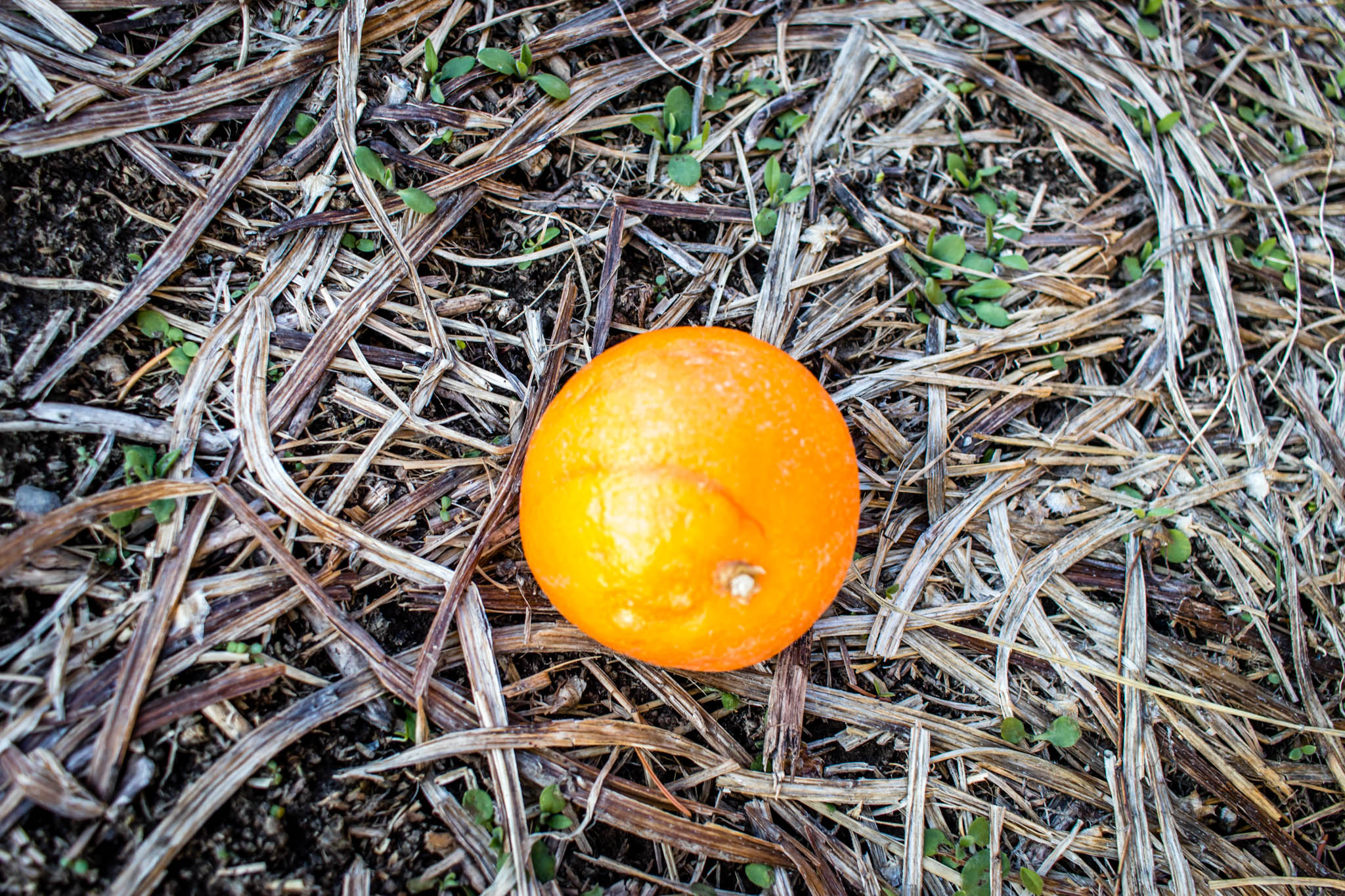
Do you ever wonder if there’s hidden meaning to random things we see? Like a clue from the universe? Being of Irish descent it’s impossible not to think about superstition or ruminate about coincidence and chance. As the famous Irish ditty goes” I’m looking over, a four leaf clover that I overlooked before…. How about a frozen orange on Brown Road?
So Brown Road is a major cross road in the small town of Westbank BC. The mile or so road ends abruptly at another street, across which there is a large empty field, at the edge of which is a clearly defined path with no obstructions and would have been the extension of Brown Road, if it were to extend but it doesn’t. However, the path does and is ideal for my bicycle and would also provide me with an excellent vantage point to take some photos of the small picturesque town where I live.
The sky was blue and sunny, the air crisp and cold, and the ground hard and frozen. Perfect riding conditions, as I peddled all the way to the back top corner where I noticed some empty trailers parked for the winter. I dismounted near the trailers and parked my bike. Then I removed my backpack and unpacked some camera lenses, then prepared to take some photos.
As I was walking around seeking the best angle along the fence-line I was looking down on the hard frozen ground, first noticing a chain and rusted lock, then nearby I spotted something completely out of place. An orange, perfectly preserved was frozen to the ground. How did it get there and how come no-one walked past and disturbed it? Could it have fallen out of somebody’s pocket or accidentally dropped in that exact spot on the day, or perhaps evening that the trailers were parked in the top corner of the field?
My mind has been returning to the thought of the orange frozen to the ground, I’m almost tempted to go back and see if it’s still there. I wonder if the nearest orange tree is two thousand miles away. I wonder if I’m lost in space to even waste a minute thinking about the lost orange?
The first month of 2017 has been a thrill so far, as our strategic partner for Internet technology and Website hosting, Verio was sold by NTT of Japan (world’s third largest Telcom company), to Endurance International Group of Tempe Arizona, which is also the home of Godaddy our domain name registrar.
Silicon Palms is now at home in Arizona and to commemorate our new host, we’ve launched a new design and new initiative to make the web great again.
Our new Internet Platform is best in it’s class and our technology products the envy of the web hosting industry, priced competitively, with stellar support. We’re affiliated with Aweber, Leadpages and HighRiseHQ for a WordPress Content Marketing Engine second to none.
Silicon Palms is ready to help you make a great website, or design a great content marketing strategy, with video and multi-media to market your ideas, across the entire spectrum of media channels. Then convert the traffic, first into subscribers and loyal followers, then into happy customers and clients.
With over twenty years of experience Silicon Palms has developed in-depth systems for collecting metrics of website traffic. We use Google Analytics for producing detailed traffic analysis reports, designed to pinpoint the most effective keyword terms and phrases for creation and conversion of content. This technique is known as a funnel, the core of which is the customer relationship management system; HighRiseHQ, another partner.
We are passionate about web design, development and content marketing. Reach out and contact us, if you need a second opinion on your Internet marketing strategy, or if you’re considering launching a new web project.




















You must be logged in to post a comment.