Category: Culture

  • The Last Caipirinha

    The Last Caipirinha

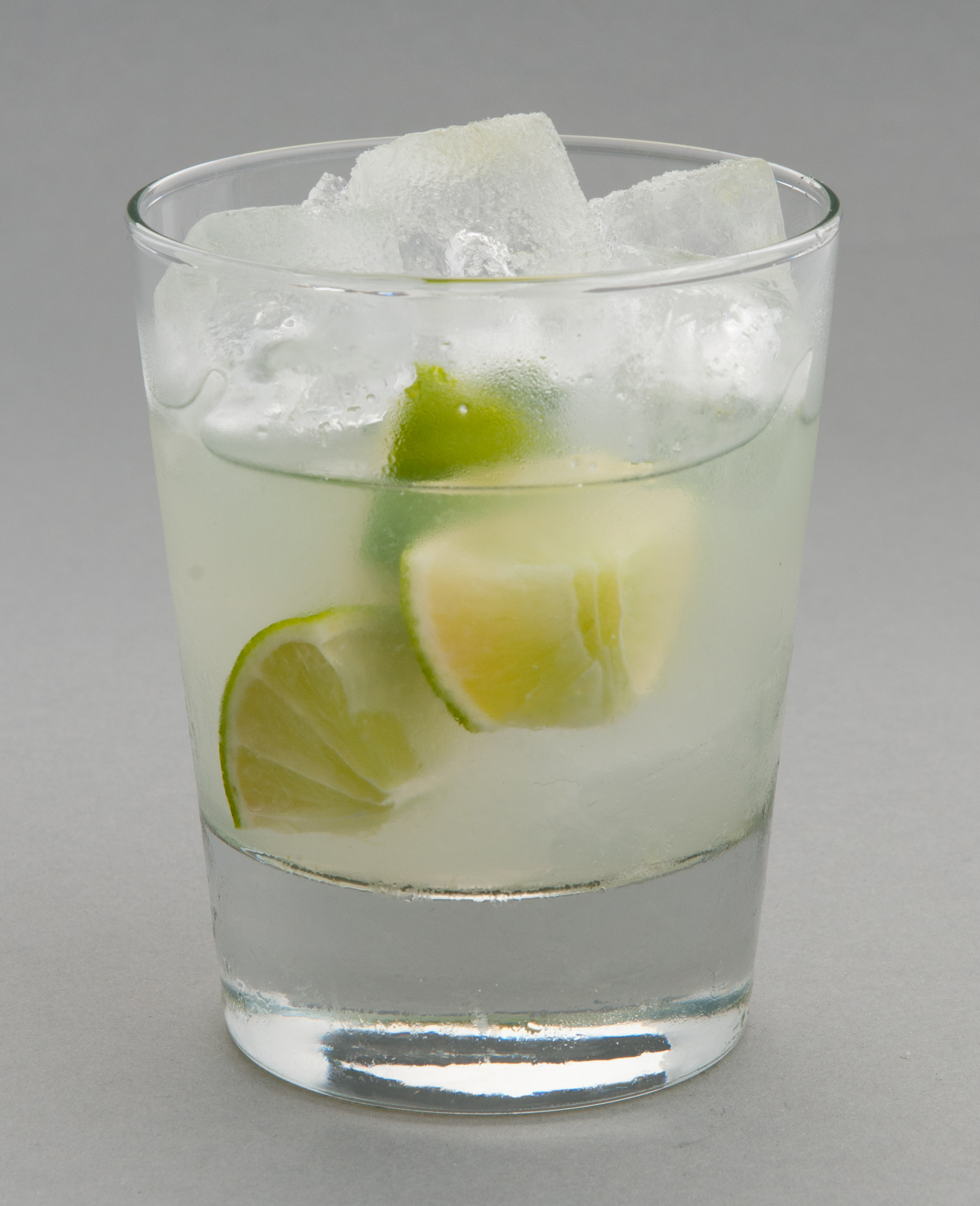
    The last Caipirinha was the best one, exactly because it was the last one. The time had come and past, it was time for me to hit the wagon for good. My romance with the Cachaça had lasted long enough, the magic was gone from the relationship and all that was left was drudgery and boredom but that wasn’t the worst of it, watching my own destruction, as I drank those frozen concoctions, which “yes” I falsely thought they were helping me hang-in, as if I were living in Margaritaville but this is much worse because Cachaça, or “pinga” as it’s called in Brazil slang, is more powerful, more prevalent and can be ridiculously cheap.

    [box]For example, imported cheap tequila is at least ten times more expensive here but it’s not just that it’s the formula for a Caipirinha and how they’re constructed, plus with which Cachaça.[/box]

    Listen to my love of the Caipirinha (above), see it was totally out-of control. Plus I liked to drink ice cold Heineken of Stella Artois at the same time, which I was always warned against. Brazilian tradition has a huge reverence for Cachaça, a folklore’ish belief in how, where, when and how much is a safe and smart amount. It’s free from small kegs, with little shot glasses, in most decent Minas Geriais (type of cuisine) restaurants. On the beaches they have some of the best hand-made drinks. All that’s needed is lime, sugar, ice and pinga for the absolute perfect beach cocktail.

    It was a crazy, impulsive decision to join One Year No Beer and take the 90 challenge. It’s a social network for people like me, who want to win our lives back from booze and in particular beer. I also had respect and reverence for the mighty Cachaça and the oh-so-sweet Caipirinha, so I had a weekend’s only rule but would often break that rule. The thing of it is, beer is the ultimate gateway drug. My Dad gave me my first beer, everyone in Canada drank beer, it’s a national pastime to accompany, for watching hockey during the long cold winters.

    Brazil has the best beer culture in the world, just watch some of our programmed Television and you’ll see a ton of sex-appeal selling billions of dollars of beer. There is cold beer everywhere here in Brazil and although I drank mostly imported, partly because it’s $1 or $2 USD cost, whereas I paid up to $10 USD in Europe.

    My drinking days are over and I’m glad to say “tchau  Cachaça”.
  • The Value of Ideas

    The Value of Ideas

    Every body has an idea. Every day, every single person breathing (that’s over seven billion individuals) has new ideas. Who decides what ideas have value? Why do some ideas manifest into reality and other ideas “die-on-the-vine“? When does a good idea become reality? Where do good ideas come from? What is it about ideas that makes them so valuable? How does a person sell an idea?

    These are the two most important questions, you need to ask yourself.

    Let’s cut to the chase, shall we? Assume you’re up to speed, in real-time, today. Let’s assume that your best epilator ain’t that sharp like a razor (IQ 160+) and let’s take it another degree and assume you’re surrounded with contemporaries ( in Oz {Australia}, we called “mates“) and also, for laughs and giggles, imagine that you’re also totally dialed-in too. I mean, you’re connected to Dudes who are bringing-down six-figures for how-smart they are, in the hi-tech-sector. This is a common scenario in today’s world. This is normal. You are asking the right questions….

    So you wake-up one morning and you, for some un-known reason, probably because you were getting ripped with one of your inside “mates” and all of a sudden, low and behold, you concoct in your mind, the web-geek equivalent to the cure for cancer. So now what?

    Ideas are a dime a dozen. It takes about 2 hours of research to know, that your new mouse-trap is a file for the permanently delete folder, or is it? Or does that stupid idea hold merit? Is that brain-fart worth money? Is it equal to other bad-ideas that flew in the face of reason?

    I’m going to be brutally honest here. It’s not that ideas are over-rated, “au contraire”, it’s that so few people have the intention to make them happen. Understand that there’s a giant gap between thinking about something and doing it. The value of ideas get’s completely diluted at this exchange, so much so, that one million-to-one seems like a realistic likelihood. Now we know, ideas are cheap, everybody is selling them and it’s one million to one that your idea has value.

    So what’s a poor-boy to do? Lot’s of ideas and no-way to make any of them turn-into money.

    Come back soon and I will share some ideas about how but for now, at this point in my mining, there’s an opportunity happening about 15 floors beneath me, which I have access to because of my proximity,  so I must take action and put an idea into effect. See you again soon.

  • The Power of Love!

    The Power of Love!

    candles - the power of love

    As the suns sets on Sampa, I reflect back on my beginning with this Big Pineapple, as it’s perhaps the sweetest and certainly the most poignant memories of all my dozen years living here. It was the power of love that brought me. The single most powerful force known to mankind.

    Back-story: A girl from Sao Paulo was traveling with two girlfriends in the ABC islands (Aruba, Bonaire and Curacao) of the Dutch West Indies and I happened to be on “C” island (Curacao) working on a project to design, develop, license and launch the first on-line casino, or at least in amongst the first 100 (Note: this was a new gold rush). She was staying with her friends in the same hotel on Curacao.

    I first saw her from across the hotel lobby and fell in love at first sight, it hit me like a ton of bricks and there wasn’t a thing I could do about it….

    In this abbreviated rendition I’ll fast forward the year to say that we “re-connected on Curacao, six months later”, followed by a three month lapse and a “bring the girl to meet the family” in Canada, where my love landed in Vancouver for a month of mid-summer madness, covered hundreds of miles of British Columbia and visited every single beach in Vancouver, from Wreck Beach all the way to Horseshoe Bay, then a magical tour of the Okanagan (interior BC) with an ecstatic welcoming committee from my tribe, as the whole world adores Brazil.

    After the Canada tour, we both knew that we were destined to keep going towards each other. The power of love was intense and totally irrefutable, it wasn’t just lust, or imagination, it was real and it was way too powerful to explain in words. All that I knew, is that there was nothing in this world that could, or would, stop me from seeing her again. We needed to meet half-way, in Miami, which is exactly what my plan was, from the very beginning when I laid-eyes on her, I wanted her on the beach in Florida, living with me.

    Six more agonizing months go by and finally it’s my turn to meet her family. Uh-oh, boy meets girl’s Mom and Dad, yikes! But I was un-daunted, the power of love had a grip on me like a fuckin GPS signal, I was tuned-to-it. So I arrived in, you guessed it, Sao Paulo, Brasil about mid-December of ’97 and it’s hotter than Haiti (Note: I’ve not been to Haiti yet, it’s just an expression) and I’ve come from the great white north, however since I had so many months to think about this trip and was laid-over in Miami (my second home, as I’ll explain another time) for a month on my way to South America, also because I knew enough about every family member in her tribe, I was able to arrive bearing meaningful gifts but nothing I was to give would ever come close to what I was about to receive.

  • The Big Pineapple

    The Big Pineapple

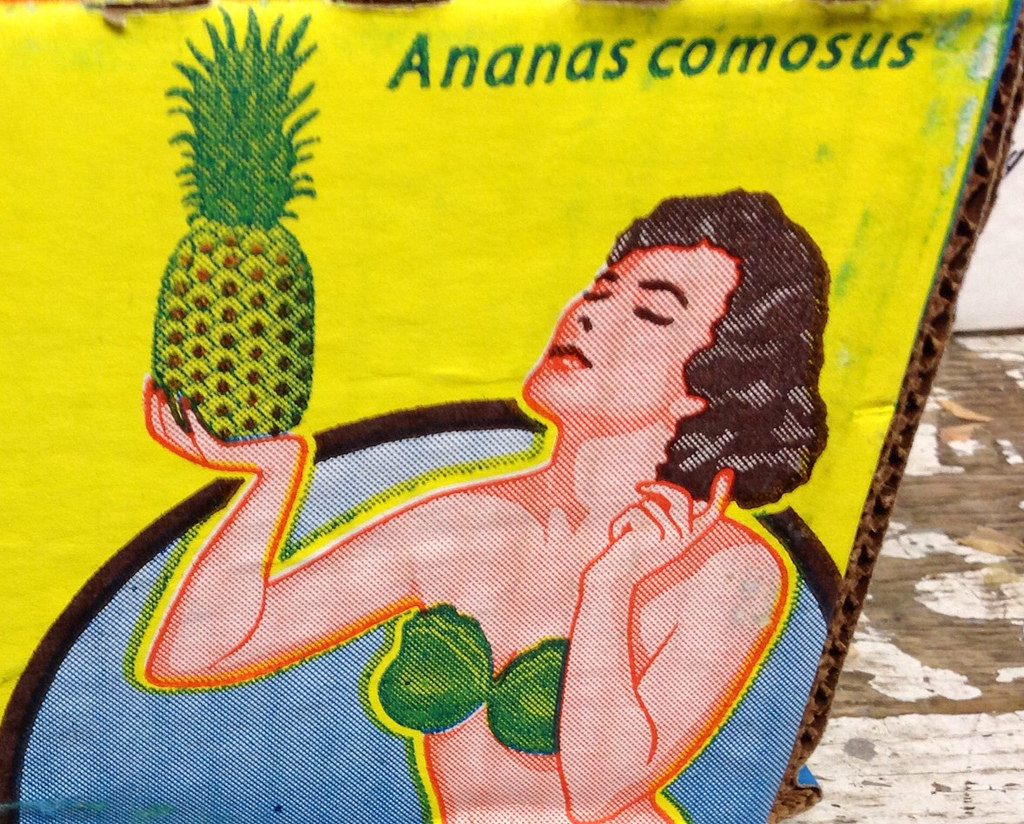
    the Big PineappleHave you ever wondered, what was the best of the best city in the world, for night life?

    Wonder no-more, I’m going to tell you.

    [box type=”note” style=”rounded” border=”full”]There is no Bar-Culture on earth like Brazil. How do I know this? = Experience.[/box]

    I will admit, that Barcelona, Perth in Western Australia rocks and Hong Kong is cool but after 12 years living in Miami I set the bar very high, and having lived in, and or partied at, practically the best night-life spots on the planet, speaking from 55 years of experience and weighing it against California, which for me is the Mecca, I can honestly say that Sampa (Sao Paulo) is so far above and beyond those other night-life experiences as to warrant it’s own category.

    [box]Sampa, or as I prefer to call it, the “Big Pineapple” is in a league of it’s own, as the most fabulous city on earth – with no rivals.[/box]

    The “Big Pineapple” was the name my Amigo and attorney, Gustavo – (note: smokin-hot poker player) gave to place, as far as I  know, unless someone else had named it “the Big Pineapple” but from my limited research, Gustavo named it – “the Big Pineapple” and to me and, if Hunter S. Thompson was still alive, just like; Elvis has left the building, then he, Hunter, and actually both, would concur, that Sampa (Sao Paulo, Brasil) is the “the Big Pineapple”, without a doubt.

    Cidade da Garoa, is the moniker Sao Paulo wears – the city of drizzle, which is too true. This city is inside a rain-forest, the natives, or to be more politically correct, the indigenous people, called it a “forest of stone”  because of all the the concrete towers. Truly, it’s not like anything you’ve ever seen. Take for example the Los Angeles basin, of if you prefer; LA, it has a physical footprint, on mostly flat land, of 60km by 30km, pushed-up against the Pacific. This grid is 60km by 60km but realistically over twice the footprint of LA.

    So what makes it so sweet, to earn the Pineapple distinction? That’s the best question you could ever ask because like a Pineapple, you must not be fooled what you see on the surface. In order to taste the sweetness of Sampa, you must bite into what you do not see on the surface and sink your teeth into something that is beyond your (due to previous programming) ability to comprehend. That is, the sweetness, of what twenty-one million people living together, in an un-harmonic harmony, sounds and feel like – love!

  • Big Rock Brazil

    Big Rock Brazil

    Big Rock BrazilPedra Grande is actually the name of this magical place I discovered about 100km from Sao Paulo. Big Rock Brazil was a brand idea for creating a mountain bike resort on a private property in Pedra Grande. Btw: (by the way) Pedra translates to English as stone or rock and grande is large or big, well the name “Big Rock Brazil”, for marketing purposes, just seemed like a no-brainer.
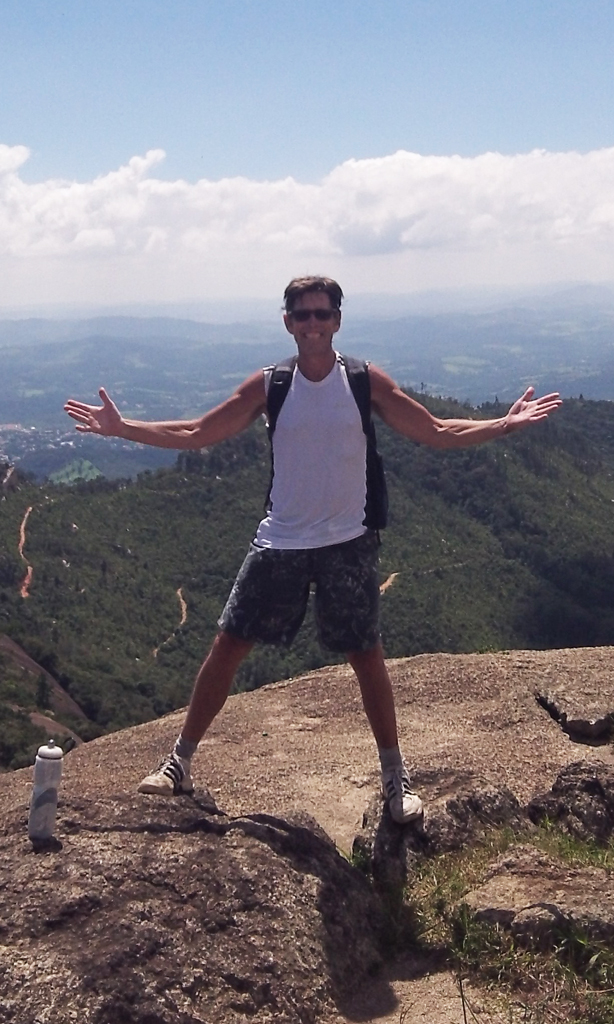
    Aaron on Big Rock Brazil

    My friends that own the magical place called Pousada Pedra Grande Atibaia liked the Gringo brand idea, next we developed a website BigRockBrazil.com and started planning some ideas for helping them grow their business, as well as recruit a crew to build North American “style” downhill mountain bike trails. Check out the best mountain bike comparisons on NicheReviewed.com to help you choose a great bike for these trails. This Pousada/resort has the best natural terrain of anywhere in Brazil for building a mountain bike park, with a 7km public road access all the way to the top of Pedra Grand (Big Rock).

    A haven for those seeking challenging mountain bike terrain, for downhill, enduro and or free riding in a tropical mountain paradise, only 100 km from Sao Paulo. Located 15km from the city of Atibaia, occupies an area of 90 acres, with an average altitude of 1200 m.

    Founded in the 1970s, Pousada Pedra Grande Atibaia, offers you a unique service, one of the most beautiful regions, located on the mountain, near the tourist city of Pedra Grande, a place full of history and culture. Ever since the beginning, this family-owned operation has been designing, developing, building and grooming a network of walking, hiking and mountain-bike riding trails, as well as extreme and ultra sport courses, to provide wide variety of recreation and rainforest action/adventure sports, from the valley bottom, all the way to the top of the famous Pedra Grande.

    Being in touch with nature, with the fauna and the native flora of the Atlantic Forest, rest comfortably, have fun with family and friends, do business or attend events, training and sports.

    Pousada Pedra Grande Atibaia is a tropical paradise of tranquility and satisfaction.

  • Santa Catarina, Brazil

    Santa Catarina, Brazil

    Santa Catarina, Brazil
    Santa Catarina (Portuguese pronunciation for: Saint Catherine) is a state in southern Brazil with the perfect climate year round for mountain bike riding and action sports. The very best of the Floresta Atlantica, beside the largest natural preserves and huge state parks bursting with rivers and waterfalls. Aside from the natural beauty, according to the Index of Economic Well-Being, Santa Catarina was ranked as the Brazilian state with the highest economic well-being and standard of living.

    My favourite place to stay in all of Brazil, is a little Pousada called the “Full Moon” on the southern tip of the magical island of Florianopolis.

    Quality of life is very high by Brazilian and Latin American standards. It is the Brazilian state with the highest levels of income, education and public health, and one of the lowest rates of illiteracy. Santa Catarina boasts Brazil’s highest average life expectancy and lowest homicide rate in addition to lower levels of corruption. The cities of the state are also considered the most “livable” in Brazil, appearing as the most “clean, safe and organized” of the country. In recent decades, Santa Catarina has been dubbed “the Brazil that worked”.

    Geography

    Santa Catarina is in a very strategic position in Mercosul, the South American Common Market. Its position in the map is situated between the parallel 25º57’41” and 29º23’55” of the Southern latitude and between the meridians 48º19’37” and 53º50’00” of Western longitude. Florianópolis, its capital, is 1,673 km (1,040 mi) from Brasilia, 705 km (438 mi) from São Paulo, 1,144 km (711 mi) from Rio de Janeiro and 1,850 km (1,150 mi) from Buenos Aires.
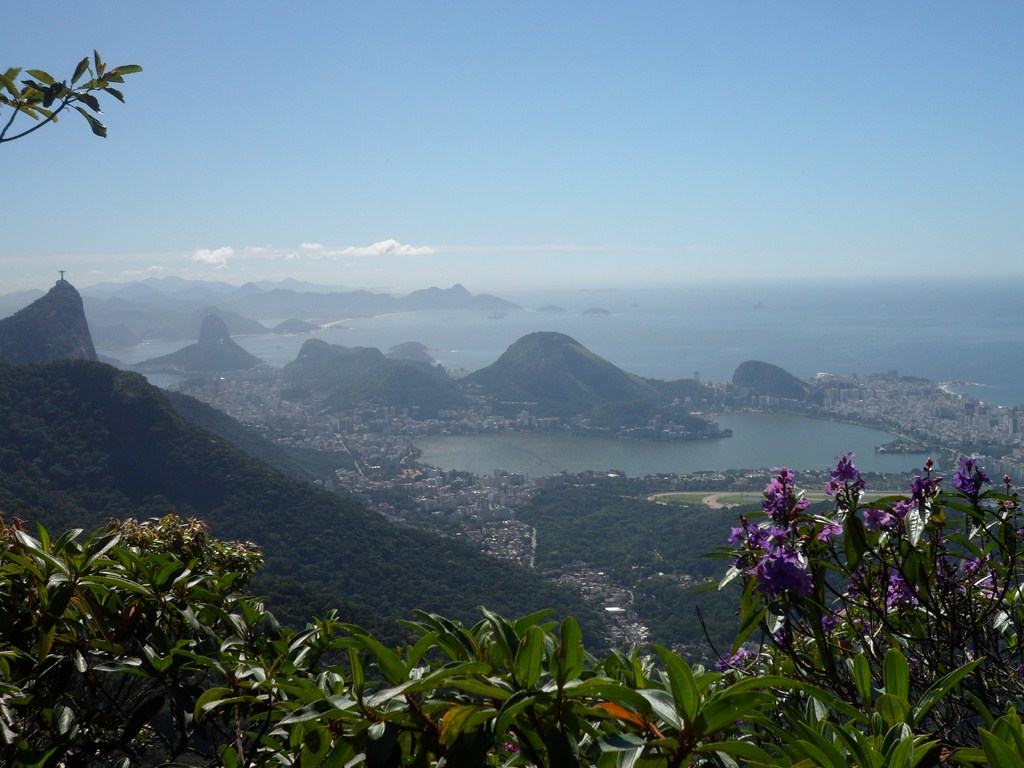
    The Serra Geral, a southern extension of the Serra do Mar, runs north and south through the state parallel to the Atlantic coast, dividing the state between a narrow coastal plain and a larger plateau region to the west.

    The Atlantic coast of Santa Catarina has many beaches, islands, bays, inlets, and lagoons. The humid tropical Serra do Mar coastal forests cover the narrow coastal zone, which is crossed by numerous short streams from the wooded slopes of the serras.

    The central part of the state is home to the Araucaria moist forests, dominated by emergent Brazilian pines (Araucaria angustifolia). The drainage of the plateau is westward to the Paraná River, the rivers being tributaries of the Iguaçu, which forms its northern boundary, and of the Uruguay River, which forms its southern boundary. The semi-deciduous Paraná-Paraíba interior forests occupy the westernmost valleys of the Iguaçu and Uruguay rivers.

    The highest point of the state is the Morro da Boa Vista, with an altitude of 1,827 m, and the second highest point is the Morro da Igreja, in the town of Urubici, with an altitude of 1,822 m.

    Demographics

    According to the IBGE of 2008, there were 6,091,000 people residing in the state. The population density was 61.53 inhabitants per square kilometre (159.4 /sq mi).

    Urbanization: 83% (2006); Population growth: 2% (1991–2000); Houses: 1,836,000 (2006).
    The last PNAD (National Research for Sample of Domiciles) census revealed the following numbers: 5,297,000 White people (86.96%), 608,000 Brown (Multiracial) people (9.98%), 160,000 Black people (2.63%), 15,000 Asian people (0.25%), 5,000 Amerindian people (0.09%).

    People of Portuguese ancestry, mostly Azoreans, predominate on the coast. People of German descent predominate in the northeast region (Itajaí Valley) and in the north (Joinville region). There are many German communities in the west. People of Italian descent predominate in the south, as well in many areas in the west. People of African, Amerindian or Japanese origins are small communities in a few towns.

    According to a genetic study from 2013, Brazilians in Santa Catarina have 79.7% European, 11.4% African and 8.9% Amerindian ancestries, respectively. A genetic study found out an isolated Azorean-Brazilian community from Santa Catarina to have between 80,6% to 93,5% european input, along with 12,6% to 6,8% african and 4,1% to 2,4% native american ancestries.

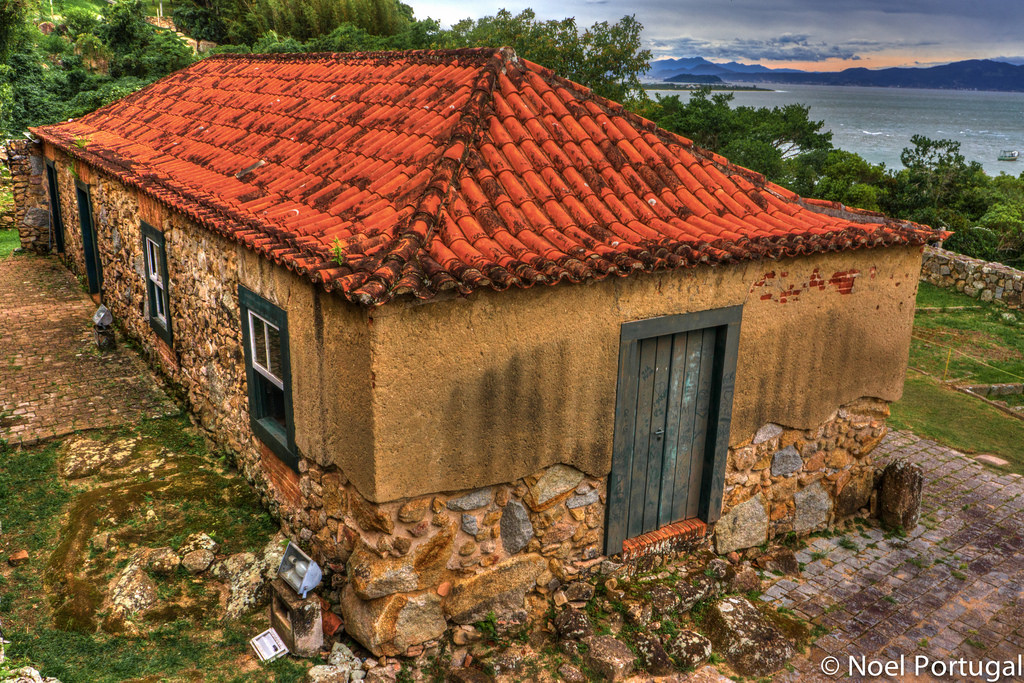
    Photo credit: Noel Portugal via Visual hunt / CC BY

  • Peace Revolution

    Peace Revolution

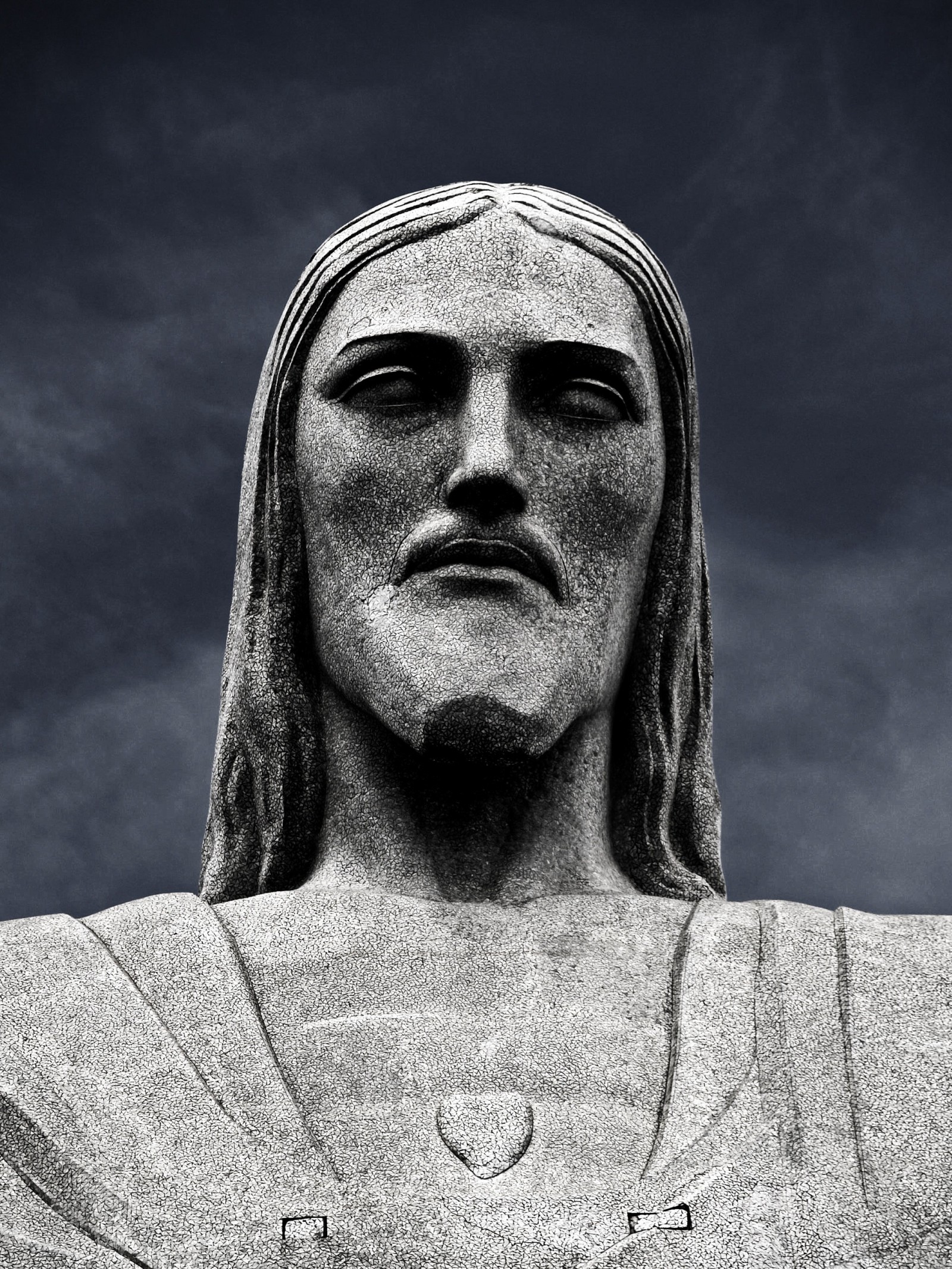
    Corcovado head Rio de Janeiro, Brazil - Peace RevolutionOn Oct 16 I moved into a rented suite in a Penthouse apartment overlooking Ibirapuera Park, the central park of Sao Paulo, Brazil. It was so exciting to be back in Brasil, after 6 months in Canada, which was rapidly turning to winter, so every day and every night was filled with activity and exploration of my new neighbourhood called Vila Clementino, which is built on the hills overlooking Moema, probably the most popular section in all of the city because it’s the only large area of flat ground.

    Finally one evening, after going out about dozen nights in a row to learn about my new surroundings, I was determined to stay in and read but for some odd reason, at about 10:30 PM I started looking from my balcony to see if the pizza place was still open, which it was, however since I thought they were open till midnight, I didn’t arrive until just after 11 to learn that they were closed. About 11:11 PM a Brazilian dude who had just finished his meal, intervened on my half to allow me service. We sat together and talked, then when they closed, some 30 minutes later he asked me if I’d like to see his house, which was for sale. Sure let’s do it, I proclaimed, as I felt comfortable with this Dude from the start.

    It turns out that I met the most amazing friend, on Nov, 11, at 11:11 on a street called Avenida Onze de Junho, which translates to Ave 11th of June. It actually wasn’t until the next day that I realized all these 11/11 anomalies but after spending 3 or 4 hours in the company of my new-found friend, named Marcos Claudino da Silva, the prior evening and having been intrigued by his amazing history, plus the fact that we were both the same age, and both of us had recently returned to Brazil. I went directly back to his house the following evening, before dark and told him that I wanted to provide assistance in helping him fulfil his vision because I thought then and still think now, that it’s the best idea I’d ever heard for making the world a better place.

    Marcos Claudino da Silva is an singer/songwriter extraordinaire! His project is called “Peace Revolution” and it’s 12 original tracks of fusion of Samba, Rock and Reggae. Please check-out his website and listen to his music.

  • I’m Alive Brasil

    I’m Alive Brasil

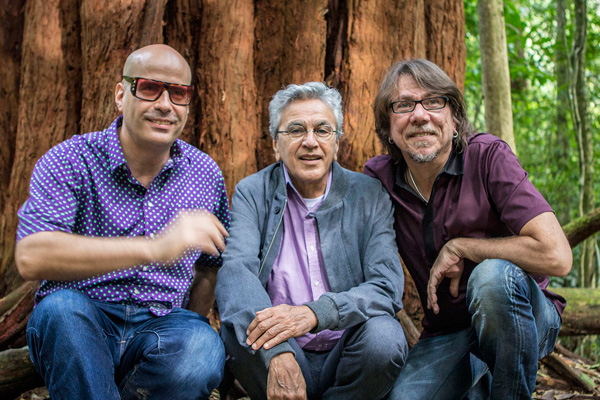
    On the first day the Rainforest Alliance released “I’m Alive” it became the theme song for Wild Orchid Brazil. Our minds were blown by Gisele Bündchen saying; “the time for sustainable forestry in Brazil has arrived”. We felt as though she was speaking directly to us and we feel compelled to answer back – we hear you!

    The Floresta da Tijuca Sessions

    In a unique collaboration produced by Andres Levin, world-renowned musical artists Caetano Veloso and Lenine, Criolo, Emicida, Pretinho da Serrinha and Sistah Mo Respect along with many other celebrated Brasilian musicians and filmmakers spent three days in Rio de Janeiro’s Floresta da Tijuca, part of Parque Nacional da Tijuca (that supported the project by offering its landscapes to film) creating “I’m Alive” a multimedia expression of our relationship to nature filmed, composed and recorded in the rainforest.

    I'm Alive Brasil -creditsCreated by: Andres Levin for Content-OS

    Composed by: Caetano Veloso, Lenine, Criolo, Emicida, Pretinho da Serrinha, Rogê, Sistah Mo Repect, Tom Veloso, Júlia Mestre, José Ibarra, Andres Levin and Jorge Drexler

    Film Produced by: Paula Lavigne (UNS Produções Filmes),

    Directed by: Fernando Young, Paula Lavigne and Andres Levin,

    Executive Producers: Larry Lunt and Andres Levin

    Featuring: Gisele Bünchen, Caetano Veloso, Lenine, Criolo, Emicida, Pretinho da Serrinha, Sistah Mo Respec, Tom Veloso, Júlia Mestre, José Ibarra, Chico Chagas and Paulo Braga

    Introducing Pedrinho da Serrinha

    Special Appearance By:
    Rogê
    Andres Levin
    Alan Gonzaga
    Ana Costa
    Ávaro dos Santos Carneiro
    Cicelle Alexandre
    Darelly Caldeira Sette
    Deborah Cheyne
    Deisiane Conceição de Jesus
    Diogo Carvalho Da Silva
    Eduardo Louro
    Pedro Pablo Monnerat
    Gabriel Moura
    Geovana Candelária
    Juliany Rodrigues
    Márcio Vinícius Conceição
    Jorge Quininho
    Rúbia Siqueira
    Thais Batista de Macedo
    Thiaguinho da Serrinha
    Vinícius Conceição Martins

    Additional Recording: Kassin, Thomas Barthlett, Pedro Sá, Cesinha Santos

    Strings Arranged by: Stephen Barber
    Recorded by: Pedro Pablo Monnerat at Kassin’s studio Rio
    Recorded by: Ray Aldaco Sticky Audio NYC

    Mixed by: Pat Dillet
    Mastered by: Tom Coyne – Sterling Sound
    Adaptation by: Arto Lindsay

    FILM CREW

    Directed by: Fernando Young, Paula Lavigne, Andres Levin,
    Edited by: Henrique Alqualo
    Color by: Pedro Conforti (Brasil),

    Trailer edited by: Joaquin Portocarero
    Trailer Color by Roman Hankewycz Harbor Film

    Production Coordination: Andrea Franco
    Video Coordinator:Henrique Alqualo
    Communications: Tino Monetti
    Assistant Director: Danilo Watanabe
    Brasil Production: Sissi Abreu
    Production/Sound: Pierre Chêne
    Video Assistant: Carolina Nunes
    Security: Betinho Texeira
    2nd Unit Camera Operator: Alexandre Ramos
    Logger: Antônio Equi
    1º Assistant Camera: Felipe Lima (Ovelha), Antoine Nicolas
    2º Assistant Camera: Pedro Koeler
    Sound: Fred Massine
    Electric: Marcílio Nascimento
    Assistant Electric: Anderson Luiz Viana
    Machines: Paulo Fernando Martins (Doca)
    Roadie: Luciano Da Silva
    Local production and location directors: NOO magazine

    Transportation: André
    Catering: Art in Rio, by Andrea Cristina Oliveira en Pedro Kemel
    Dressing Room Trailers: Claudio and Renata Roizenblit “Shimoo”
    Transport: Oxê Locação de Veículos, by Gilberto Brito
    Generator: Ismail
    Drone: Manjubinha Filmes (Rodrigo Thomé, Rodrigo Figueiredo and Rodrigo Cebrian
    Van Equipment: Manoel & Reinaldo Borges
    Restaurant: Restaurante da Praça. by Marinho
    Chargers: MG7, by Ronildo Gama
    HT Radios: HT Rio Loc (José Eduardo Martins and Juliana Porto)
    Location: Parque Nacional da Tijuca
    Location Scout: André Neves
    Location consultants: NOO TV
    Park Monitors: Alex Barroso da Silva, Gilvan Alves Vieira and Peterson de Almeida
    Park Sub Boss: Carlos Henrique Fernandes
    Leasing Consultant: André Neves
    Communications Advisor PNT: Júlia Barroso

    Content-OS team: Jenna Maranga, Neal Sokol

    Special Thanks:
    Zeca Veoloso, Rowan Finnegan, Shure Microphones, Apogee, AEA Ribbon Microphones, Sterling Sound, Harbor, Sticky Audio, Tag Gross, Armonia, Gustavo Borner, Justin Moshkevich, Michael Murphree, Mariana Rolim, and Achy Obejas.

    Producer, Emicida: Fióti
    Producer, Criolo: Beatriz Berjeaut/ Assistant: Giovanna Scarano
    Producer, Pretinho da Serrinha: Bruno Rodrigues
    Producer, Lenine: KK Mamoni
    Producer, Sistah: Laís Sérgio

  • Brazil is proof God wants us happy

    Brazil is proof God wants us happy

    I didn’t invent that slogan but I think that Ben Franklin would agree. Brazil is perfection, in it’s natural state. Comparing to Canada the distances are as vast but due to the climate and geography, much of the countryside is lush and verdant green.

    Tijuca National Park, Rio de Janeiro, Brazil
    Tijuca National Park, Rio de Janeiro, Brazil

    Brazil is the last greatest country left on earth (in my opinion). Canada once held this distinction but the problems of the neighbor country, infected the corporate and political culture, although it’s possible that the genetic flaws of the parent (Great Britain) left her susceptible to problems. None-the-less; Government grew out of control, until the free-spirit of the people was throttled by over-regulation. Now you need to buy a permit, to get a license, to negotiate for an approval. However, rules and regulations are the way of the world, it’s happening here in Brazil too. So, I’m curious to watch and learn how Brazil manages 200 million people, since the potential is boundless.

    [box type=”note”]The massive South American country is oozing with natural resources, this is the land of milk and honey. In the major cities of Brazil, of which there are 13, prosperity is evident everywhere.[/box]

    Brazil 13 cities with more than 1 million people (2007 Statistics):

    1. Sao Paulo (10,9 million)
    2. Rio de Janeiro (6,1 million)
    3. Salvador (2,9 million)
    4. Distrito Federal (2,5 million)
    5. Fortaleza (2,43 million)
    6. Belo Horizonte (2,41 million)
    7. Curitiba (1,8 million)
    8. Recife (1,5 million)
    9. Porto Alegre (1,42 million)
    10. Belem (1,41 million)
    11. Goiania (1,244 million)
    12. Guarulhos (1,236 million)
    13. Campinas (1,03 million)

    It’ not uncommon to see plates of fresh food abandon on the street, since the bar and restaurant owners (and others) feed the poor from take-away containers of rice, beans, produce, meat and bread. Produce grows so well in the fertile land and is so plentiful that no-one starves unless they choose.

    Yes, there are allot of poor people. Brazil has one of the worst ratios for distribution of wealth, and the mega-rich gap is growing wider. However, the middle class is expanding, one of the last places left on earth where the common man can rise up to become a prominent community leader. It is revered in Brazilian culture, to become a celebrity that once-upon-a-time lived in a favela.

    Everyday more people (per capita) become millionaires in Brazil, than any other country in the world. Now that’s a nice cup to hoist but better would be the education. If there’s one thing that it’s sadly lacking in Brazil, it’s that too many kids are raised without a good education. In a country that dominates in exports of so many commodities, for there to be one child left on the street is a mistake.

    Violent crime and gang corruption is the biggest negative you hear about living in Brazil, this is an issue for sure. There are some problems related to gun violence, in areas where the U.S. introduced their war on drugs, which has done zero to reduce the drug trade but certainly raised the stakes for corruption and gang operations. Therefore, the statistics are skewed to make things look much worse than they actually are. However, it’s a notoriously bad country, to be in the wrong place at the wrong time.

    My sincere hope is that the greatest future lays ahead because the people are demanding that Government spending on education be increased. Hence, we go back to talking about Government, where we started, and where Brasileiro’s always retreat to when the topic of the poor arises – oh it’s the Governo etc… everyone has been indoctrinated to expect the Government to be corrupt, another global condition. Meanwhile the power elite and old-guard establishment, which now includes the influence of innumerable multi-national conglomerates, that have leveraged their way into the gravy train, to supply the greatest culture driven, brand frenzy, credit laden, consumer product consumption orgy in history. The Romans pale in comparison, even America wasn’t completely plugged-in to stuff like these folks, this is shopoholic-central.

    The bottom line is that Brazil rocks! For allot of valid reasons, not least of which is the fun-loving people, living on thousands of miles of tropical beaches. Having said that; my number one reason for loving living here, is that aside from providing civil authority by military force in Haiti (with UN edict), we do not export our democracy with the barrel of a gun.

    Brazil has enough problems at home, and now we can all see that every country has it’s own problems at home, to preferably contend with. Therefore, since Brazil has no blood on it’s hands, I’m very willing and happy to contribute towards making it a better place for everyone. I’m glad to be a Brazilian citizen and love living here.

  • John of God

    John of God

    John of God
    João de Deus (“John of God”)

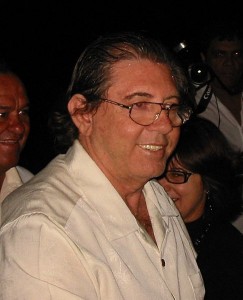
    João Teixeira de Faria (born June 24, 1942), known also as João de Deus (“John of God”), is a self-described medium and “psychic surgeon” from Signal river. I’m on my way to this small town in the state of Goiás, southwest of Brasília (a 5 hour drive from my home in Sao Paulo) to visit his farm.

    For as long as I can remember hearing about John of God, I’ve wanted to meet him. Years ago I met a man from the Philippines, whom I witnessed perform some extraordinary treatments and help people (including myself) to heal. My suspicion is that John of God is far more evolved, than the Philippine “psychic surgeon”, which means that I’m in for a truly enlightening experience.

    UPDATE:

    May 12, 2019

    Now that I’ve had a chance to review the accusations and hear the testimony of one of the Whistleblowers, I need to report my understanding and add my own thoughts and observations.

    In my case, John of God helped me and I believe that the Casa was and is a very energetic place. My treatment was entirely metaphysical and the perception I had of Joao, was that he was a gifted healer and that he had helped to heal me. Whatever happened when I was in the treatment, worked and my broken ankle did in fact excrete some type of fluid, which had never happened before or since. I walked better after the treatment.

    I may have experienced psychosomatic healing but something improved with my injury as a result of the John of God treatment. Also, the people who volunteered were so nice, committed to well-being and absolutely convinced that John of God was holly, or at least very gifted.

    To this day I use a crystal from Abadiânia and since I brought my mountain bike to the Casa and spent allot of time riding all around the area, I observed many crystals in the ground. This is something I’ve not seen anywhere, some times I would stop my bike, look down and see pieces of crystal in the dirt. Plus the amount of crystals, some the largest I’d ever seen and all the energy from people in mediation, probably helps people heal themselves.

    Some people I met were watching UFO’s and most locals just accepted the fact that UFO’s are seen over the area so constantly that it’s just normal. I have never seen a UFO but never tried to summon them. However, that’s the place I’d go if I wanted to prove they exist.

    My heart goes out to the victims and I admit that I was completely conned as well, so it’s easy to understand how a sexual predator was dressed as Lamb and tricked so many people. We all want to believe that God could channel his energy through living people, when in fact he does but none more so than an other. We all have healing power but don’t know it.

    Early life of John of God

    João Teixeira de Faria was born in Cachoeira da Fumaça, Goiás (now Cachoeira de Goiás). There are no records of his early life and De Faria himself has not provided precise details. His best known biography is The Miracle Man, written by Robert Pellegrino-Estrich, who runs tours to Abadiânia.

    De Faria has no medical training and describes himself as a ‘simple farmer.’ He completed only two years of education and spent a number of years travelling from village to village in the states of Goias and Minas Gerais.

    Casa de Dom Inácio de Loyola, Abadiânia Brazil

    João Teixeira de Faria - João de Deus (“John of God”)
    João Teixeira de Faria

    De Faria says he was told by his spirit guides that he must expand his work to reach more people and spiritist medium Chico Xavier told him he should go to the small Goiás town of Abadiânia to fulfill his healing mission. Around 1978, when João first performed ‘healings’ there, he just sat outdoors in a chair near the main road where people began to arrive seeking cures for their various illnesses and conditions. Gradually the numbers increased to thousands per day and he developed his centre, Casa de Dom Inácio de Loyola. The Casa de Dom Inácio de Loyola has since been visited by millions of people seeking healing. He also owns a nearby cattle ranch, which covers about 1,000 acres.