Category: Places

  • The Statue of Unity

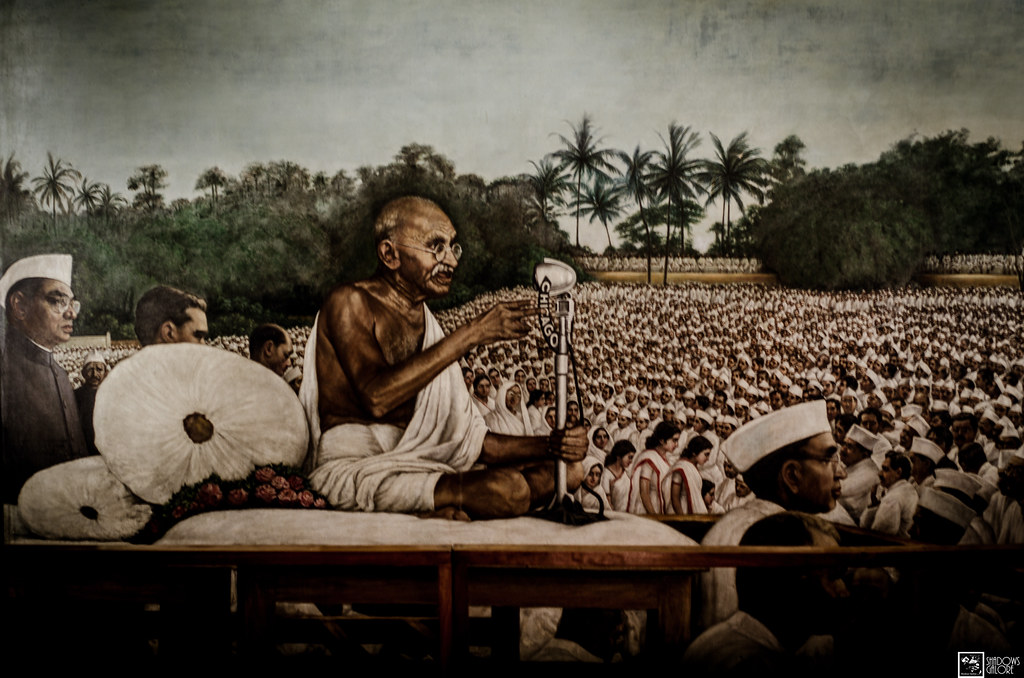
    The Statue of Unity

    Sabarmati Ashram is located in the Sabarmati suburb of Ahmedabad, Gujarat, adjoining the Ashram Road, on the banks of the River Sabarmati
    Mahatma Gandhi who lived at Sabarmati. Sabarmati Ashram is located in the Sabarmati suburb of Ahmedabad, Gujarat, adjoining the Ashram Road, on the banks of the River Sabarmati
    Christ the Redeemer
    Christ the Redeemer

    I just learned something very cool, as I was studying the statue called Christ the Redeemer for Peace Revolution. Also, I’ve noticed that Redeemer is an alias because of the Portuguese translation.

    Jesus Christ (Portuguese: Cristo Redentor) is an Art Deco statue of Jesus Christ in Rio de Janeiro, Brazil, created by French sculptor Paul Landowski and built by Brazilian engineer Heitor da Silva Costa, in collaboration with French engineer Albert Caquot. Romanian sculptor Gheorghe Leonida fashioned the face.

    Constructed between 1922 and 1931, the statue is 30 metres (98 ft) high, excluding its 8-metre (26 ft) pedestal. The arms stretch 28 metres (92 ft) wide

    The comparative size of Christ in Rio is much smaller than many other famous statues, for example the largest statue in the world is in India and called The Statue of Unity.

    The Prime Minister, Shri Narendra Modi dedicates the ‘Statue of Unity’ to the Nation, on the occasion of the Rashtriya Ekta Diwas, at Kevadiya, in Narmada District of Gujarat on October

    The Statue of Unity is a colossal statue of Indian statesman and independence activist Sardar Vallabhbhai Patel (1875–1950), who was the first Home minister of independent India and the chief adherent of Mahatma Gandhi during the non-violent Indian Independence movement.

    Sardar Vallabhbhai Patel was highly respected for his leadership in uniting the 552 princely states of India to form the single Union of India. It is located in the state of Gujarat, India.

    It is the world’s tallest statue with a height of 182 metres. It is located on a river island facing the Sardar Sarovar Dam on river Narmada in Kevadiya colony, 100 kilometres (62 mi) southeast of the city of Vadodara and 150km from Surat.

    Height comparison of notable statues (vector).svg

    By File:Height comparison of notable statues.png: Anna Frodesiak File:Spring Temple Buddha picturing Vairocana, in Lushan County, Henan, China.png by User:Zgpdszz File:Florencemichelangelo.jpg: Véronique Mercier File:Cristo redentor.jpg: Cyro A. Silva Silhouette of the Statue of Liberty in New York.svg by Bea.miau File:Flag of Volgograd Oblast.svg by User:Hellerick derivative work Jdcollins13 – This file was derived from:  Height comparison of notable statues.pngSpring Temple Buddha picturing Vairocana, in Lushan County, Henan, China.pngFlorencemichelangelo.jpgCristo redentor.jpgSilhouette of the Statue of Liberty in New York.svgFlag of Volgograd Oblast.svg: , CC BY-SA 3.0, Link

    The Statue of Unity project was first announced in 2010 and the construction of the statue started in October 2013 by Larsen & Toubro, who received the contract for ₹2,989 crore (US$420 million) from Government of Gujarat. It was designed by Indian sculptor Ram V. Sutar, and was inaugurated by Indian Prime Minister Narendra Modi on 31 October 2018, the 143rd anniversary of Patel’s birth.

    Photo credit: Shadows Galore on Visual Hunt / CC BY-NC-SA

  • Pleiadian Starseed and the Intergalactic Federation of Sovereign Planets

    Pleiadian Starseed and the Intergalactic Federation of Sovereign Planets

    Pleiadian Starseed

    From the very first time I heard of either a Pleiadian Starseed or the Intergalactic Federation of Sovereign Planets, I knew it was real. My instincts are sharpened by decades of consuming information, I knew that there had to be more advanced being than us, and they just observe.

    Possibly the greatest impediment that each and every one us suffers from, is our own ability to think outside of the boundaries of what we’ve been taught. It’s our arrogance in our beliefs that encumber us.

    Even small details, by being constantly reinforced by science and what we are told to be experts, some thing as simple as space, can be explained in a way that makes everything else false in a small way. The end result is to be boxed into a framework of understand that’s inadequate to describe reality.

    Cosmic Agency is a Youtube Channel that begins to change our understanding of just one of the many groups from the Intergalactic Federation of Sovereign Planets. Representatives from Taygetean, which is a planet system inside the Pleiadian Galaxy, are known as. Pleiadian Starseed beings and as many as 1,000 of them are on earth.

    The Pleiades

    • “The Pleiades group is an open star cluster in the constellation of Taurus, existing approximately [400 to] 500 light years from Earth. There are 250-500 stars within the cluster, although only nine have been named. Most ancient cultures claim seven stars.
    • These include China, who called them ‘The Seven sisters of Industry,’ and Greece, who referred to them as the ‘seven daughters of Atlas.’
    • More than any other star system, the Pleiades has captured the attention of both ancient and modern civilization.”

    The names of the main stars are:

    1. Alcyone
    2. Celaeano
    3. Electra
    4. Atlas
    5. Merope
    6. Sterope I & II
    7. Taygeta
    8. Maia
    9. Pleione
    • According to the Maya, our solar system rotates around Alcyone, the central star of the Pleiades, in a 26,000 year period; (Note that this last part, about our solar system rotating around Alcyone has been proven incorrect).
    • Taygeta supposedly is the sun of the planet ‘Erra’ where Billy Meier‘s contacts Semjase & co. came from.

    The Pleiades group is the home of a humanoid species. The Pleiadians are most similar to Earth humans. Earth humans supposedly were created by using mainly Pleiadian DNA.

    Pleiadian Starseed Photo credit: h.koppdelaney on VisualHunt.com / CC BY-ND

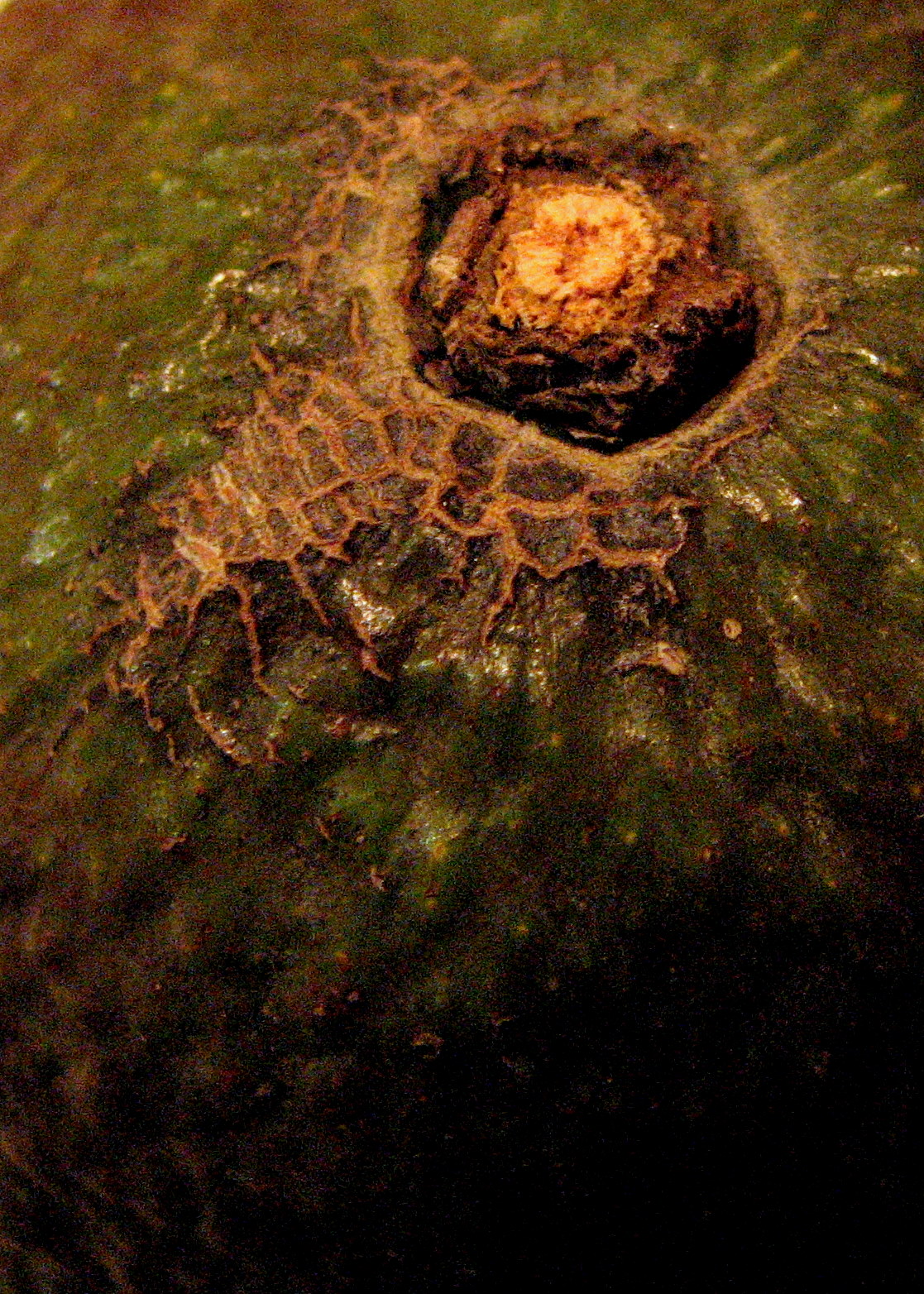
  • Mexican Cuisine and the Amazing Avocado

    Mexican Cuisine and the Amazing Avocado

    Chapultepec Castle on top of Chapultepec Hill
    Chapultepec Castle on top of Chapultepec Hill

    One upon a time I was in Mexico City, in and area of the city called Zona Rosa, where they wash and sweep the sidewalks in the morning and you can find the most charming boutiques, cafes, and restaurants. By asking around and getting good advice, I found an authentic and award winning establishment to enjoy one of the most fabulous meals of my life.

    That day I had been visiting Chapultepec, more commonly called the “Bosque de Chapultepec” in Mexico City, is one of the largest city parks in the Western Hemisphere, measuring in total just over 686 hectares. Centered on a rock formation called Chapultepec Hill, one of the park’s main functions is an ecological space in Greater Mexico City. I was stunned and amazed by the enormous museum of anthropology, one massive exhibit for each of the ancient races of Mexico, I never forgot the place.

    My choice for dinner that evening awarded me with a peak into the wonderful culture of Mexico, as the place filled up and I watched people celebrating the end of a work week and the approaching Christmas holidays. The feeling was very festive but everyone was there to eat.

    In modern times the taco and burrito made Mexico famous for the wrong end of the their menu, as it’s the elaborate dishes and roasted meats that make my mouth water but we all must admit that it’s what can be done with avocado and regular simple vegetables that makes Mexican food rock, not to mention the beans, even though they themselves complain about all the beans int their diet but it’s the number of different flavours that can be baked in to beans.

    My favourite thing to prepare at home is Mexican Food, especially a tasty guacamole and some spicy salsa just to get the taste-buds warmed up. To me the preparation is more about variety, having the right combination of elements to render the particular taste. Despite my deriding tacos and burrito they are the easiest thing to make that tastes authentic (for me).

    How many ways are there to love the contribution this awesome culture of Mexico has given us in modern day?

    Mexican Photo credit: sgrace on VisualHunt / CC BY-NC – Chapultepec Castle photo CC BY-SA 3.0 File:Castillo de Chapultepec (Museo Nacional de Historia).JPG Created: 24 July 2012 Location: 19° 25′ 14″ N, 99° 10′ 54″ W

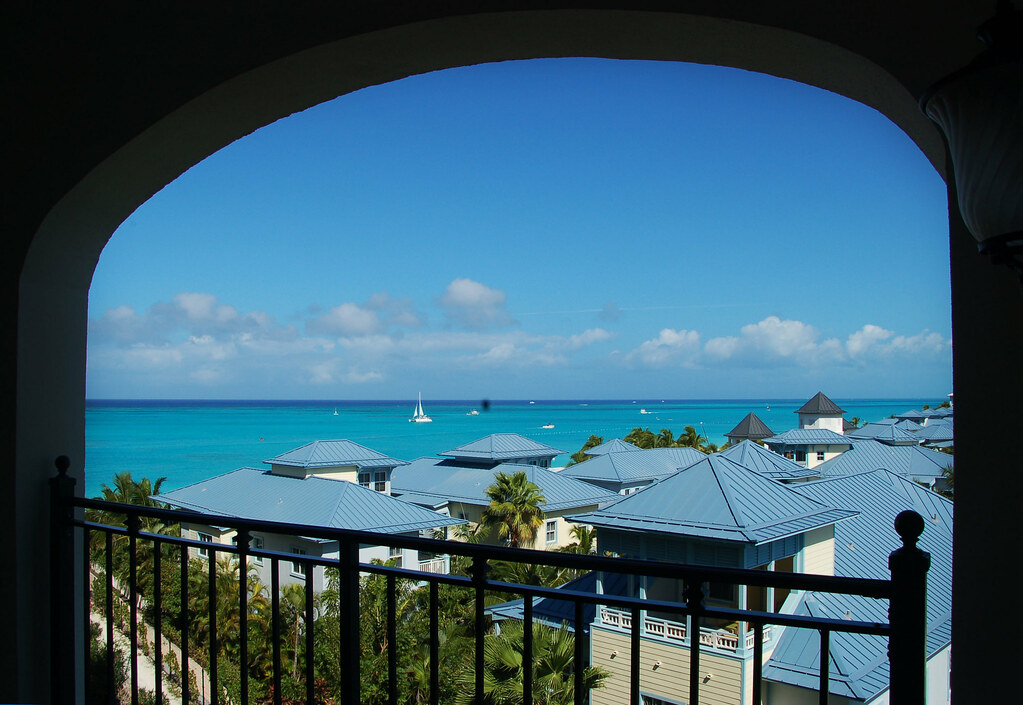
  • Turks and Caicos Islands

    Turks and Caicos Islands

    Turks and Caicos Islands

    Once upon a time I was a licensed Real Estate Agent in Toronto, Canada and I met these experts at limited partnership, real estate development. They were a couple and both with allot of experience in major resort development in the Turks and Caicos Islands.

    The year was 1987 and I was learning from two seasoned veterans how to sell real estate on a far away island, to people from Ontario. Why would a Canadian buy island property you might ask? Well, it would seem that the enterprising couple had learned how to use a Family Estate Trust, to own Limited Partnerships and not need to pay tax, or some such thing.

    Location of Turks and Caicos Islands (circled in red)

    By TUBS – Own work This W3C-unspecified vector image was created with Adobe Illustrator. This file was uploaded with Commonist. This vector image includes elements that have been taken or adapted from this:  United Kingdom in its region.svg (by TUBS). This vector image includes elements that have been taken or adapted from this:  Bahamas in North America.svg (by TUBS)., CC BY-SA 3.0, Link

    It was all new to me, the idea of buying a limited partnership in a beautiful luxury tropical resort and what ended up happening is those same laws were created for Ontario, not Turks and Caicos but many groups used those regulations to build a glut, also my real estate board said that it was the exploitation of Limited Partnerships that caused the great real estate crash of 1989. Another good thing gone wrong.

    Interesting that I’ve always had a desire to visit the Turks and Caicos Islands because what I learned was that for a couple of decades there had been concentrated investments in developing real estate of all kinds and that the location and the luxury of these communities was exceptional.

    So I was very happy to be involved in a project recently, that seeks commercial property and licenses in the Turks and Caicos, especially after having seen Bruce Willis had sold his enclave there. Many people say it’s the most incredible tropical properties in the world. Guess I’ll just have to go there and see for myself. Stay tuned, I’ll keep you posted.

    The Turks and Caicos Islands (abbreviated TCI; are a British Overseas Territory consisting of the larger Caicos Islands and smaller Turks Islands, two groups of tropical islands in the Lucayan Archipelago of the Atlantic Ocean and northern West Indies. They are known primarily for tourism and as an offshore financial centre. The resident population was 31,458 as of 2012 of whom 23,769 live on Providenciales in the Caicos Islands; July 2018 estimates put the population at 53,700. It is the third largest of the British overseas territories by population.

    The Turks and Caicos Islands lie southeast of Mayaguana in the Bahamas island chain, northeast of Cuba, and north of the island of Hispaniola (Haiti and the Dominican Republic). Cockburn Town, the capital since 1766, is situated on Grand Turk Island about 1,042 kilometres (647 mi) east-southeast of Miami, United States. The islands have a total land area of 430 square kilometres (170 sq mi).

    The Turks and Caicos Islands were inhabited for centuries by native Amerindian peoples. The first recorded European sighting of the islands occurred in 1512. In the subsequent centuries, the islands were claimed by several European powers, with the British Empire eventually gaining control. For many years the islands were governed indirectly through Bermuda, the Bahamas, and Jamaica. When the Bahamas gained independence in 1973, the islands received their own governor, and have remained a separate autonomous British Overseas Territory since.

    The Turks and Caicos Islands are named after the Turk’s cap cactus (Melocactus intortus), and the Lucayan term caya hico, meaning ‘string of islands

    Turks and Caicos Photo credit: brittreints on Visualhunt / CC BY

  • Money for Nothing

    Money for Nothing

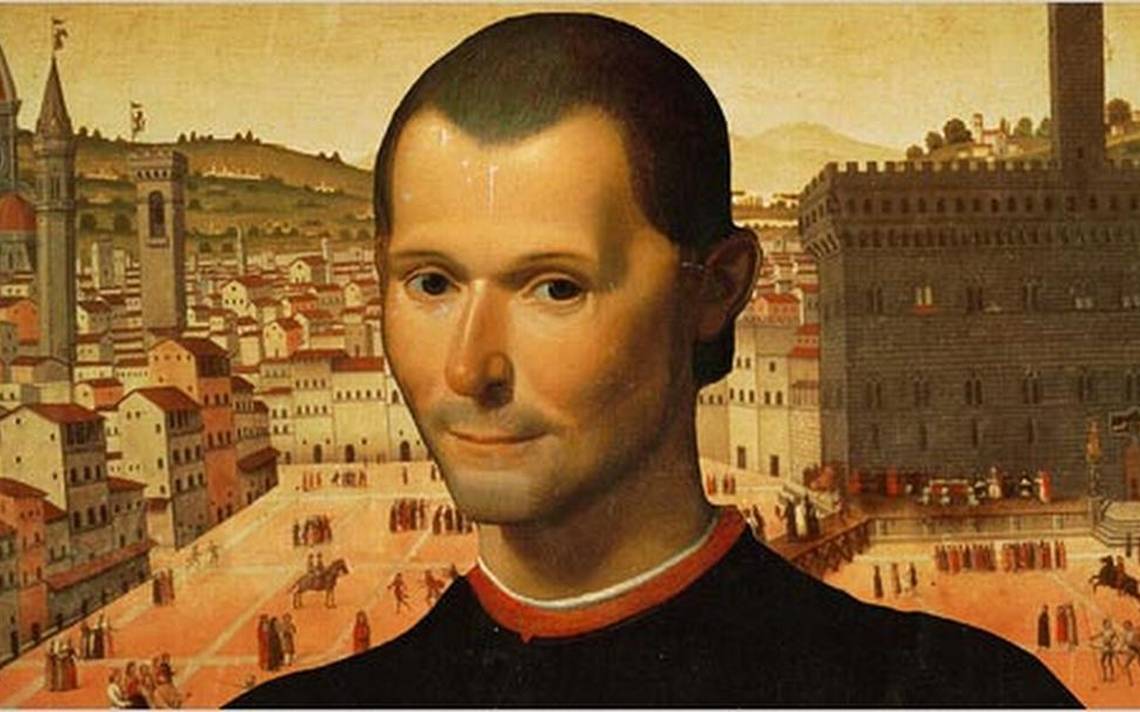
    Niccolò Machiavelli and Money for Nothing
    Niccolò Machiavelli

    Australia (Oz) taught me so much and I was so green in my twenties that looking back, I consider my years from the age of twenty one to twenty five to have been my college education. Also, it was the years leading up to the move to Australia, where I worked in the toughest jobs in Canada, from work camps inside the Arctic circle and up the sides of the Rocky Mountains. Seasonal work in every industry, such as mining, logging, tree-planting and lot’s of pipeline construction, with a stint in seismic to boot.

    I was RWA (ready willing and able) in Oz

    I survived the first part of my youth and felt well prepared for Australia and one lesson I learned there from the very beginning, well two, always say “Good day” to people you pass in the morning, whether you know them or not, and the second and most important lesson; there’s no free lunch. Although I did here about young Brits who had come to exploit the unemployment insurance that accept people who had never previously worked to pay into it. That was what they called “the Dole” since they doled it out and some people surfed every day while collecting free money.

    We all know that there’s a massive inequity in the distribution of wealth on our planet, much of it has to do with access to information. Yes, really, often times people just don’t know the same things other people know and usually it’s because we are not asking the right questions. However, what you come to learn, is that knowledge is power, not money and that is why Oz was part of my journey to find, obtain and consume knowledge.

    Starting with the Penguin Classics I read every great author and anything recommended to me. From the start of my journey I’ve never had less than 3 books on the go at a time, same as now. I let each book suggest the next and follow all topics to their source, until I feel satisfied I understand and then move on. Some classic authors are harder to relate to, like James Joyce for example, it takes longer to appreciate than Joseph Conrad, for example but within every single book was the clues to my path to current day.

    Fast forward to 2010 where the library in Youtube had now grown to encompass every single writer, every single book and all the ideas contained within them and indexed out into incredible byte sized downloads, to meet the maximum data input rate, of an information addict (me) accustomed to the highest doses, that is how I am. I turned that logic analysis machine, which is my mind, into a funnel with filters and then poured as much information through it as was possible.

    One of my main questions, especially because I have been the editor of Invest Offshore and report on cross-border banking, is there an evil cabal of people who intentionally control the world through the central banking system? Then, secondly, and largely because of my favourite classic that touches upon this topic with historical context; The Prince by Niccolò Machiavelli what knowledge can I derive from this information.

    The answer is to the first is yes, and corroborated by the The Creature from Jekyll Island (1994) by G. Edward Griffin. The answer to the second is to become an agent of Private Placement Programs (PPP) and to become knowledgeable in Bank Trading Platforms. Then with this knowledge, seek and find qualified participants and inform them of this knowledge, explain how it can benefit them and provide an introduction to the experts.

    The lion cannot protect himself from traps, and the fox cannot defend himself from wolves. One must therefore be a fox to recognize traps, and a lion to frighten wolves.

    Niccolò Machiavelli

    The Prince is an extended analysis of how to acquire and maintain political power. It includes 26 chapters and an opening dedication to Lorenzo de Medici. The dedication declares Machiavelli’s intention to discuss in plain language the conduct of great men and the principles of princely government.

    So in the end, it’s who you know and what you know, then being able to prove that you can help them. That sounds an awful lot like politics to me : ). So, all you need to know, is someone with vast amounts of money and show them Private Placement Programs (PPP) and Bank Trading Platforms, then introduce them to a banker that is willing to award you for introducing the person with vast quantities of money.

    Sounds simple right? Like Money for nothing, just remember though, that there’s no free lunch.

    Money for Nothing Macchiavelli Photo credit: Prachatai on Visual Hunt / CC BY-NC-ND

  • Vancouver VYVE Tribe Party

    Vancouver VYVE Tribe Party

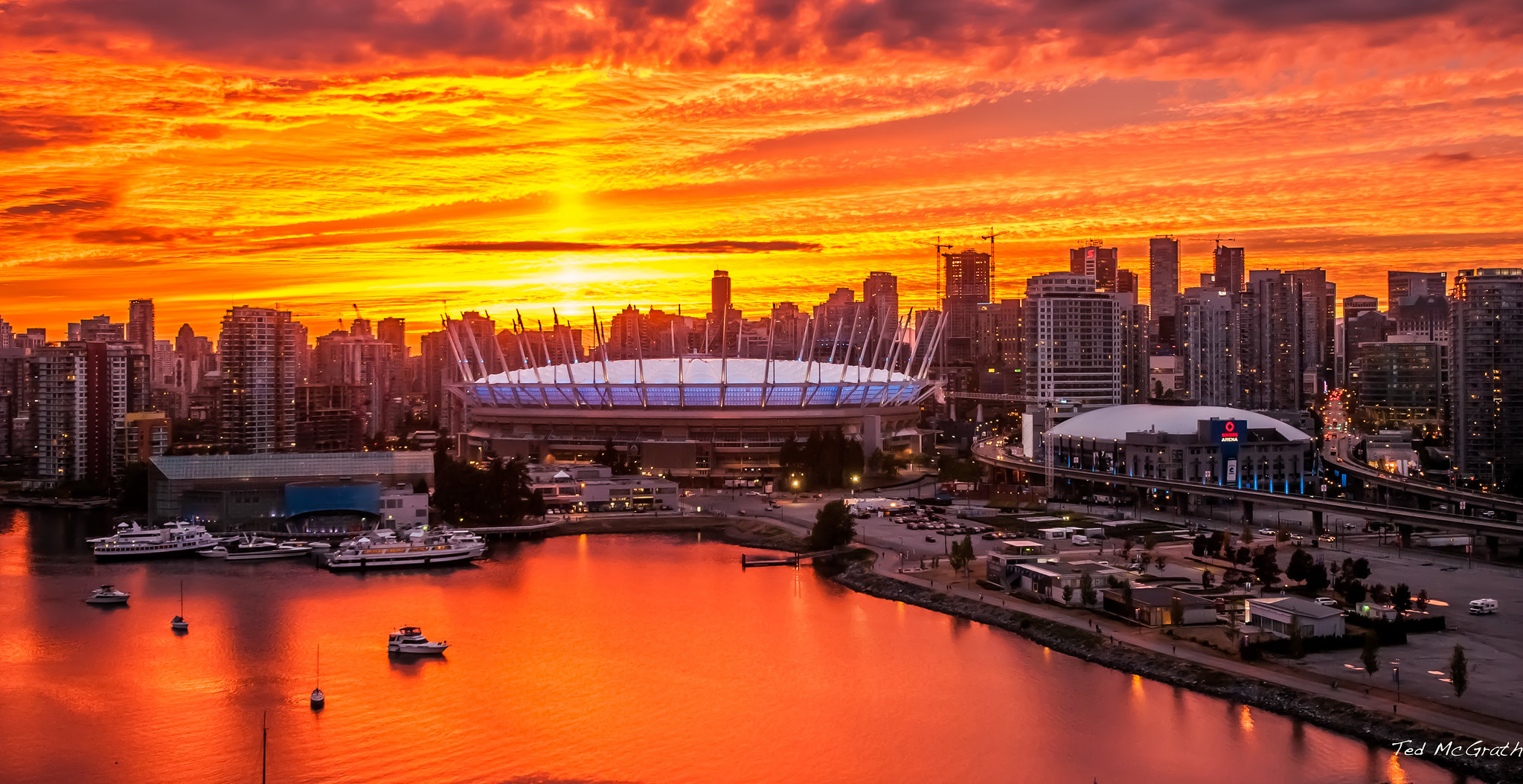
    Vancouver Sunset 2015

    Oh to be twenty something again…. especially in Vancouver for the summer of 2019, to experience the most amazing phenomenon, a new type of party activity that is totally extraordinary and completely inclusive, alcohol free and totally insane (just the same) but clean safe fun beyond your wildest imagination. I’ve had the most fun summer I can remember, partly thanks to Jacques, his friends and all these fun VYVE Tribe people.

    The concept of VYVE Tribe was pitched and sold to the City of Vancouver under the condition that drugs and booze be refrained from, not endorsed and promoted as family friendly for all ages. The concept works and flash dance party idea and silent disco, also dance parties on barges but best of all is late night bike raves.

    Crazy good fund riding in the night with a couple hundred other people, most of whom have tricked-out their bikes with neon lights cool color tubes on the spokes, so that as the mile long caravan of bicycle enthusiasts ride along the seawall of false creek, the residents on the far side of the water can see and hear the colourful parade, since there are giant speakers blasting music.

    Here”s the overview from their website and a link.

    Our mission is simple. 
    Spread the high of human connection.

    Featured in VICE media, we are a social movement, a tribe of people-lovers, and a human-centric entertainment agency.

    We apply social-bonding science to create the most epic, active, and drug-free entertainment experiences.

    Our electrifying social experiences have the objective of increasing social connectedness and vitality in the world.

    Our Partners

    Our partners value community and wellness. They want to bring one-of-a-kind entertainment experiences to their organization or event. They want to inspire their audience with meaningful fun, by spreading healthy ways to build vitality.

    Our Experiences (vyves)

    Known for our Hike Raves, Bike Raves, and Morning Beach Parties, we are an inventive agency. Our experiences leverage dancing, singing, and laughing to activate the same brain centers as drugs do. We customize our experiences with themes, such as mental health, fitness, consent education, and emotional connection.

    Our Party Science

    The VYVE Experience has been developed over 200 parties, and is based on the science of emotions and social-bonding. It leaves traditional parties in the dust. Our guarantee: Participants will feel amazing and socially connected with everyone apart of the experience. This is the essence of feeling ALIVE.

    Our Founder

    Jacques Martiquet has been facilitating dance parties, workshops, and social activities for 4 years. He has conducted Vyves in 12 different cities. He has been interviewed by VICE, Vancouver Magazine, and Elle Canada regarding his mission to popularize an alternative, adaptive party culture. A culture that revolves social connection, not alcohol.

    Imagine all the people around you smiling, laughing, singing, and dancing to songs which everyone can relate to. You feel exhilarated, included, and respected. You feel like you belong.

    We make this happen—anywhere, anytime.

    SCHEDULE A FIVE MINUTE CALL

    Vancouver Photo credit: Ted’s photos – For Me & You on VisualHunt.com / CC BY-NC-SA

  • Mauritania and the former Spanish Sahara

    Mauritania and the former Spanish Sahara

    Scene at the beach in Nouakchott, Mauratania
    Scene at the beach in Nouakchott, Mauritania

    Mauritania has a need for modern infrastructure and help is on it’s way as diplomatic relations have been forged by the leadership to present projects to the modernize the country with more water, roads and waste management system that generate electricity from clean-burning plastic garbage. We hope to solve two problems at once, plus create jobs.

    Mauritania from the CIA World Fact Book

    Location Mauritania AU Africa.svg

    Map by Alvaro1984 18 – Own work, Public Domain, Link

    Independent from France in 1960, Mauritania annexed the southern third of the former Spanish Sahara (now Western Sahara) in 1976 but relinquished it after three years of raids by the Polisario guerrilla front seeking independence for the territory. Maaouya Ould Sid Ahmed TAYA seized power in a coup in 1984 and ruled Mauritania with a heavy hand for more than two decades. A series of presidential elections that he held were widely seen as flawed. A bloodless coup in August 2005 deposed President TAYA and ushered in a military council that oversaw a transition to democratic rule. Independent candidate Sidi Ould Cheikh ABDALLAHI was inaugurated in April 2007 as Mauritania’s first freely and fairly elected president. His term ended prematurely in August 2008 when a military junta led by General Mohamed Ould Abdel AZIZ deposed him and installed a military council government. AZIZ was subsequently elected president in July 2009 and sworn in the following month. AZIZ sustained injuries from an accidental shooting by his own troops in October 2012 but has continued to maintain his authority. He was reelected in 2014 to a second and final term as president (according to the present constitution). AZIZ will be replaced through elections scheduled for June 2019. The country continues to experience ethnic tensions among three major groups: Arabic-speaking descendants of slaves (Haratines), Arabic-speaking “White Moors” (Beydane), and members of Sub-Saharan ethnic groups mostly originating in the Senegal River valley (Halpulaar, Soninke, and Wolof).

    Fishermen boat carrying sardines on Nouakchott beach
    Fishermen boat carrying sardines on Nouakchott beach

    Al-Qaeda in the Islamic Maghreb (AQIM) launched a series of attacks in Mauritania between 2005 and 2011, murdering American and foreign tourists and aid workers, attacking diplomatic and government facilities, and ambushing Mauritanian soldiers and gendarmes. A successful strategy against terrorism that combines dialogue with the terrorists and military actions has prevented the country from further terrorist attacks since 2011. However, AQIM and similar groups remain active in neighbouring Mali and elsewhere in the Sahel region and continue to pose a threat to Mauritanians and foreign visitors.

    Demographic profile of Mauritania:

    With a sustained total fertility rate of about 4 children per woman and almost 60% of the population under the age of 25, Mauritania’s population is likely to continue growing for the foreseeable future. Mauritania’s large youth cohort is vital to its development prospects, but available schooling does not adequately prepare students for the workplace. Girls continue to be underrepresented in the classroom, educational quality remains poor, and the dropout rate is high. The literacy rate is only about 50%, even though access to primary education has improved since the mid-2000s. Women’s restricted access to education and discriminatory laws maintain gender inequality – worsened by early and forced marriages and female genital cutting.

    Girl from Nouakchott, Mauritania
    Class one student at Ahmed Ould Hakki Primary School, Tarhil, Nouakchott, Mauritania. “Mauritanian families of today, whether they live in rural areas or they live in the city, want education for their daughters,” says Mohamed Ould Khalil, Head of Administration, ENI-NKTT (L’Ecole Normale des Instituteurs de Nouakchott). “A long time ago some families and some Mauritanian communities, depending on the region, were reluctant to send their children to school — even the boys. They felt it was a tool of colonization. But after independence (1960), when people started see the benefits of school, everything changed. People wanted their sons and their daughters to go to school. And today, wherever you go in Mauritania everyone wants to send their daughters to school because even in the poorest communities people have seen the girls who have succeeded and they have seen what they have been able to do for their families. So today everyone is striving for school.”

    The denial of education to black Moors also helps to perpetuate slavery. Although Mauritania abolished slavery in 1981 (the last country in the world to do so) and made it a criminal offence in 2007, the millenniums-old practice persists largely because anti-slavery laws are rarely enforced and the custom is so ingrained.  According to a 2018 nongovernmental organization’s report, a little more than 2% of Mauritania’s population is enslaved, which includes individuals subjected to forced labour and forced marriage, although many thousands of individuals who are legally free contend with discrimination, poor education, and a lack of identity papers and, therefore, live in de facto slavery.  The UN and international press outlets have claimed that up to 20% of Mauritania’s population is enslaved, which would be the highest rate worldwide.

    Nouakchott, Mauritania
    Nouakchott, Mauritania

    Drought, poverty, and unemployment have driven out migration from Mauritania since the 1970s. Early flows were directed toward other West African countries, including Senegal, Mali, Cote d’Ivoire, and Gambia. The 1989 Mauritania-Senegal conflict forced thousands of black Mauritanians to take refuge in Senegal and pushed labour migrants toward the Gulf, Libya, and Europe in the late 1980s and early 1990s. Mauritania has accepted migrants from neighbouring countries to fill labour shortages since its independence in 1960 and more recently has received refugees escaping civil wars, including tens of thousands of Tuaregs who fled Mali in 2012.

    Banana sales woman in Morroco market in Nouakchott, Mauritania
    Banana sales woman in Morroco market in Nouakchott, Mauritania

    Mauritania was an important transit point for sub-Saharan migrants moving illegally to North Africa and Europe. In the mid-2000s, as border patrols increased in the Strait of Gibraltar, security increased around Spain’s North African enclaves (Ceuta and Melilla), and Moroccan border controls intensified, illegal migration flows shifted from the Western Mediterranean to Spain’s Canary Islands. In 2006, departure points moved southward along the West African coast from Morocco and Western Sahara to Mauritania’s two key ports (Nouadhibou and the capital Nouakchott), and illegal migration to the Canaries peaked at almost 32,000. The numbers fell dramatically in the following years because of joint patrolling off the West African coast by Frontex (the EU’s border protection agency), Spain, Mauritania, and Senegal; the expansion of Spain’s border surveillance system; and the 2008 European economic downturn.

    Nouakchott tackles water shortages
    Nouakchott tackles water shortages

    Population Distribution

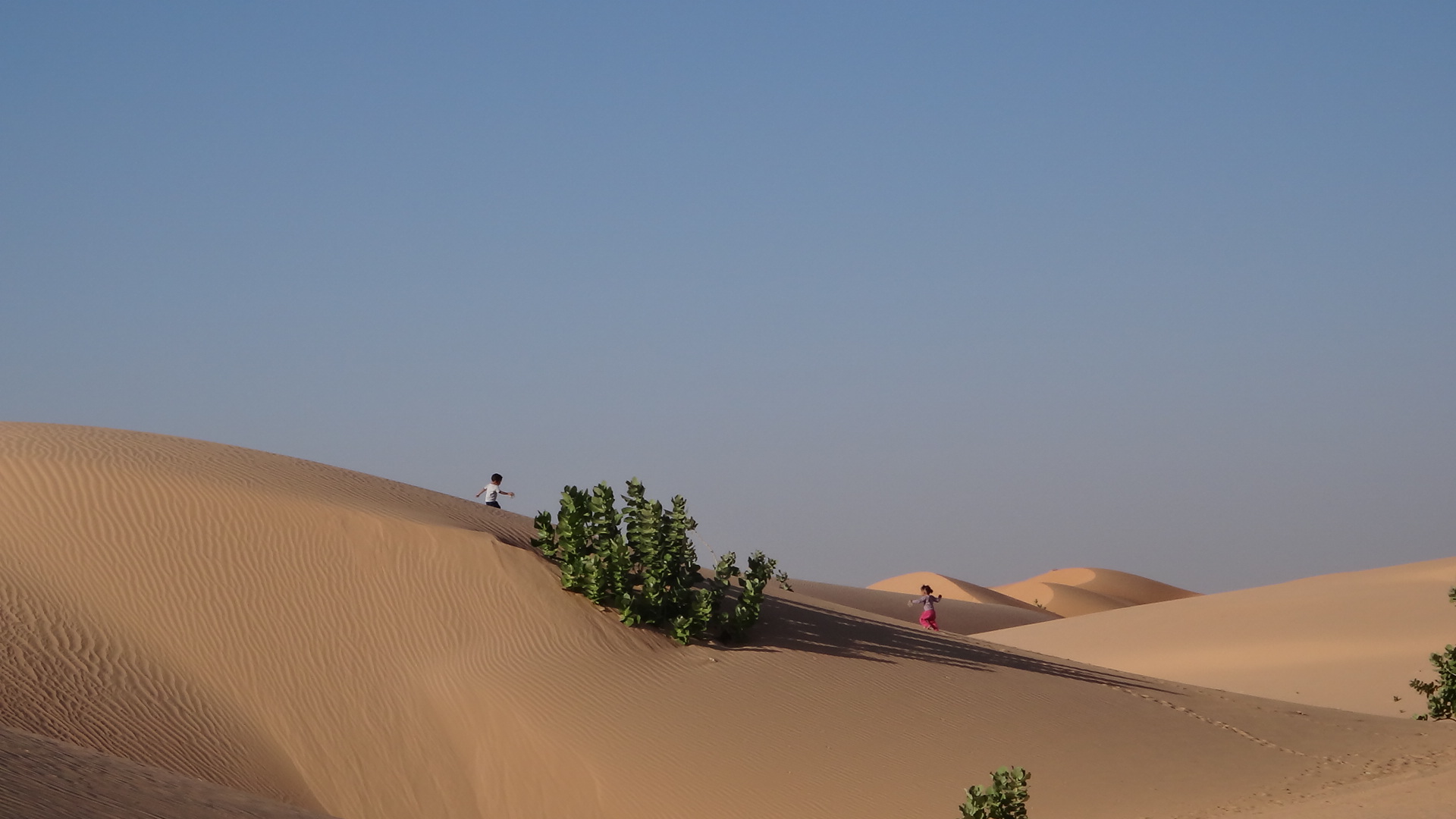
    With most of the country being a desert, vast areas of the country, particularly in the central, northern, and eastern areas, are without sizable population clusters; half the population lives in or around the coastal capital of Nouakchott; smaller clusters are found near the southern border with Mali and Senegal.

    Photo credit: valerian.guillot on Visual hunt / CC BY Photo credit: Magharebia on VisualHunt.com / CC BY Photo credit: valerian.guillot on Visual hunt / CC BY Photo credit: amelimage on Visualhunt.com / CC BY-SA

  • Dongjiao Coconut Plantation, Haikou, Hainan, China

    Dongjiao Coconut Plantation, Haikou, Hainan, China

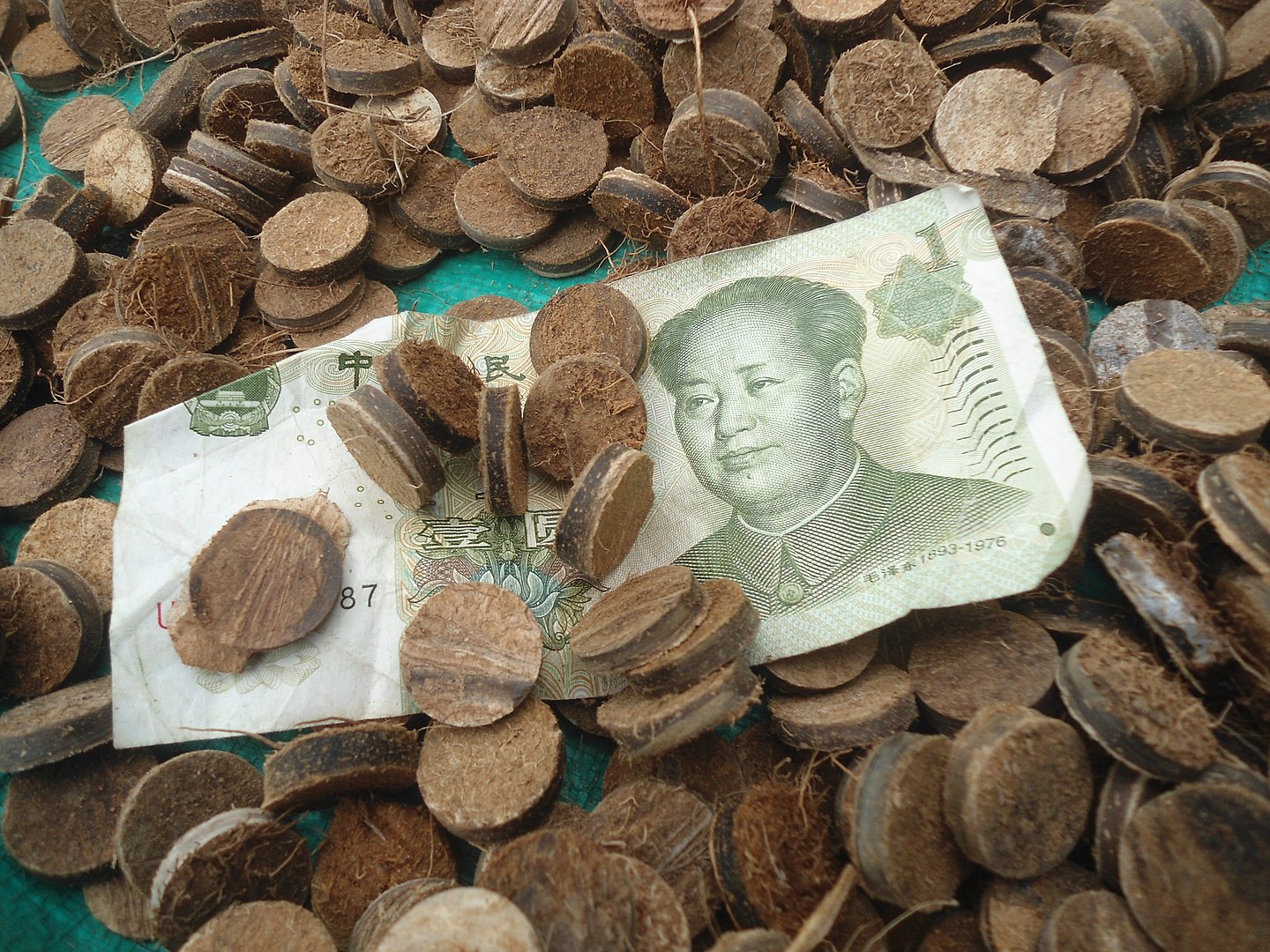
    Coconut buttons in Dongjiao Town, Hainan, China
    Coconut buttons in Dongjiao Town, Hainan, China

    Once upon a time a Coconut Plantation was a very valuable enterprise the coconuts were harvested for oils, minerals, fibres and milk. During the British colonization period there were coconut plantations in every colony that could support them. I visited several Palm Plantations, including coconut palms, in Queensland, Australia and the impression the row upon row of massive trees never left my mind.

    Naturally, when it comes to growing things; China can never been outdone in scale and planted the world’s largest coconut plantation, called Dongjiao Coconut Plantation, on a tropical island far to the south called Hainan.

    Coconut

    Dongjiao Coconut Plantation is about twenty-minute’s ferry from Qinglan Habour. There are about 500,000 various kinds of coconut trees planted at here. Together with the winding footpath, small huts, sunshine and the sandy beach, all things create a picture of tropical marine world, making people fell relax and refresh. Visitors can have great fun here including enjoying the delicious seafood in the restaurants at the shore, trying different kinds of beach and sea sports with friends or just have a stroll along the footpath. If it happens to be a breezy day, the leaves of coconut trees will let out a sound of pleasing.

    Haikou Shishan Crater Cluster National Geological Park (108km2) lies in Shishan and Yongxing Towns southwest Haikou City, close to Qiongzhou Strait, merely 15km from Haikou downtown. It has sound eco-environment, remarkable location advantage, unique geographic landscape and rich geological resources (Spa and hot spring) and is favorably called “Garden in the City” and honored as “Haikou’s Green Lung”. It is a rare urban volcanoes in the world with so various types, so beautiful shapes, so valuable and rare mineral springs and so intact volcanic ecology. This project is planned to include five themed zones, namely “Main Part of National Geological Park”, “Volcano SPA and Hot Spring Leisure and Recuperation Zone”, “Volcano Culture Sightseeing Zone”, “Volcano Forest Preservation Zone” and “Volcano Eco-Agriculture Sightseeing Zone”. Priority will be given to the main part of the National Geological Park in preliminary phase.

  • Forest City, Malaysia

    Forest City, Malaysia

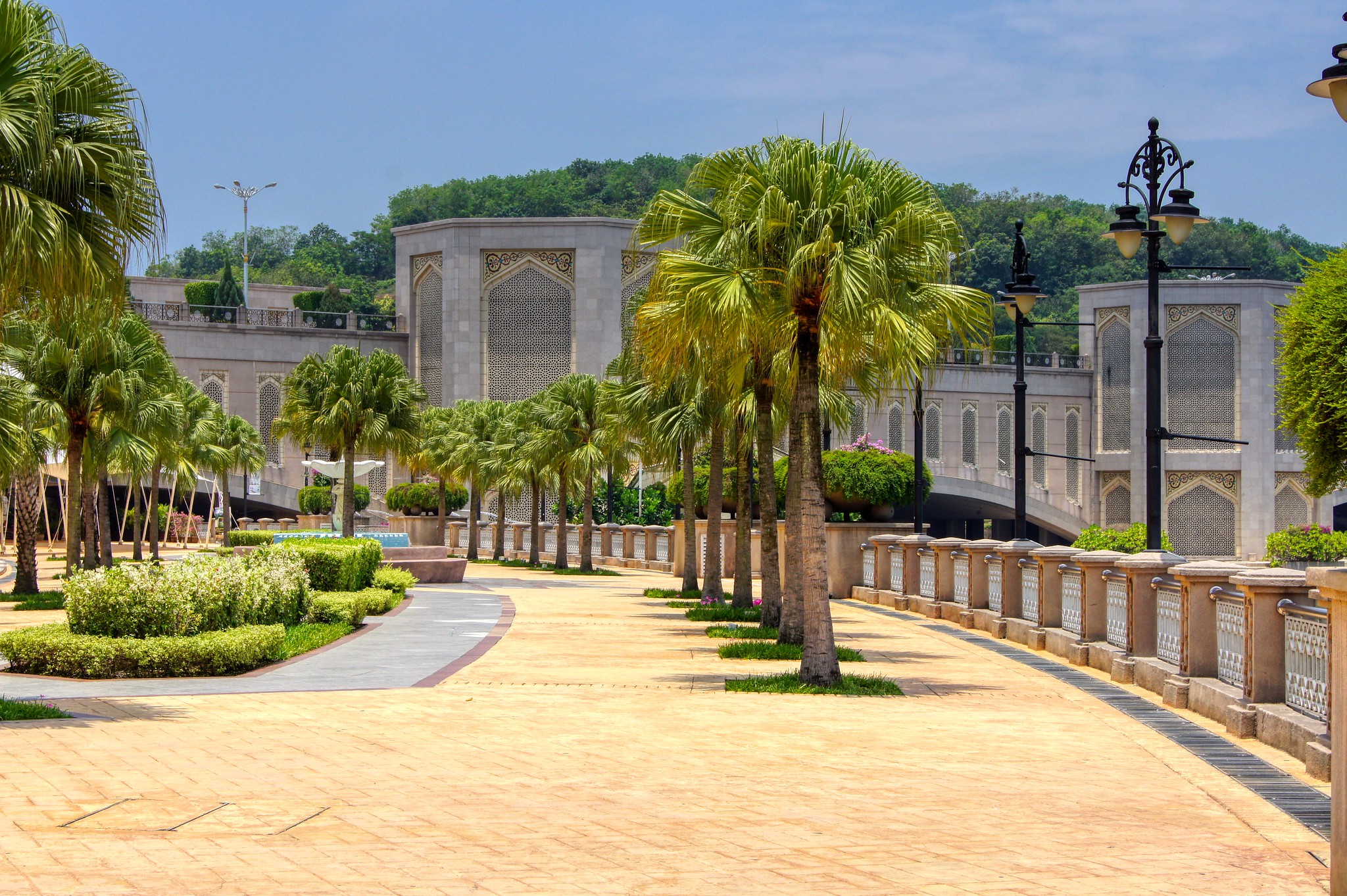
    Forest City, Malaysia

    Forest City in Malaysia is a visionary project, of a scale and scope hard to describe without geographical context. Singapore is a success story, so Malaysia copied Shenzehen idea, which was to build a city facing Hong Kong to mimic and then surpass. The infrastructure is in place for Malaysia to grow for decades from the proximity to Singapore.

    Forest City is even more than it’s name implies but to sum up part of the strategy is to reclaim mud-flat islands and swamps of mangroves, into green and smart cities with rapid transit and shared gardens terraced biotecture in one third of common areas.

    Forest City, Malaysia

    The buildings are assembled from uniform sections, made in a factory of 300 workers, for the exact specification, then shipped to site and installed. This is essentially a massive Lego city, the size of which is comparable to Rhode Island, or Vermont, as far as the eye can see in either direction.

    Ironically, the endangered marine habitats are now better-off and and Eco-science is protecting a disaster but constant negotiations are ongoing between the developers and the environmentalists.

    Vision

    To create a better society through our endeavors, and to become the world’s most competitive real estate developer.

    Mission

    To build the prime model of a future city.

    Core Values

    Integrity: We serve with integrity and conscience.

    Quality: We deliver five-star quality property through exacting processes.

    Social Responsibility: We believe in contributing to the individual and the societies in which we operate.

    Innovation: We build a better future through an innovative and bold approach to design, planning, execution and management.

    Customer Satisfaction: We strive to exceed the expectations of our customers by anticipating, understanding and responding to their needs.

    Forest City Photo Credit from Facebook Group

  • Tree of Life and the Devils Tower National Monument

    Tree of Life and the Devils Tower National Monument

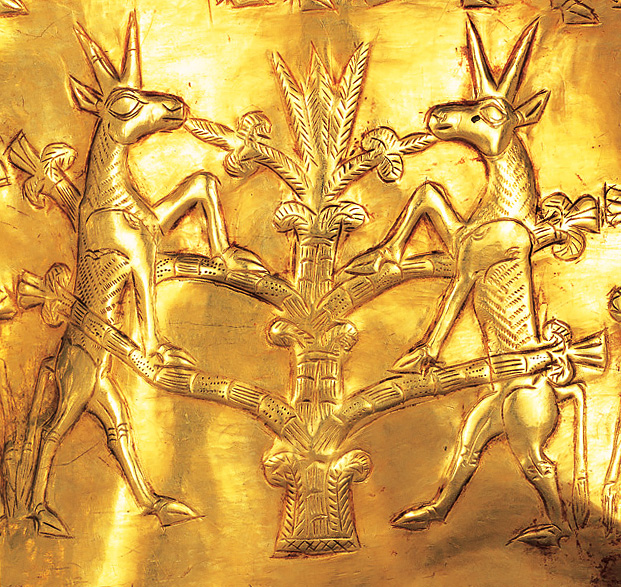
    Tree of life on a rhyton from Marlik, Iran, currently at the National Museum of Iran.
    Tree of life on a rhyton from Marlik, Iran, currently at the National Museum of Iran.

    The Tree of Life is on my mind lately, so I wanted to post some more information about massive trees but it was the notion that the Devils Tower National Monument may have been a tree. What’s your first impression?

    Devils Tower, 1900
    Devils Tower, 1900

    Devils Tower (also known as Bear Lodge Butte) is a butte, possibly laccolithic, composed of igneous rock in the Bear Lodge Ranger District of the Black Hills, near Hulett and Sundance in Crook County, northeastern Wyoming, above the Belle Fourche River. It rises 1,267 feet (386 m) above the Belle Fourche River, standing 867 feet (265 m) from summit to base. The summit is 5,112 feet (1,559 m) above sea level.

    Devils Tower was the first United States National Monument, established on September 24, 1906, by President Theodore Roosevelt. The monument’s boundary encloses an area of 1,347 acres (545 ha).

    In recent years, about 1% of the monument’s 400,000 annual visitors climbed Devils Tower, mostly using traditional climbing techniques.

    Tree of Life in Mysticism

    Judaic Kabbalah tree of life 10 Sefirot, through which the Ein Sof unknowable divine manifests Creation. The configuration relates to man
    Judaic Kabbalah tree of life 10 Sefirot, through which the Ein Sof unknowable divine manifests Creation. The configuration relates to man

    Jewish mysticism depicts the tree of life in the form of ten interconnected nodes, as the central symbol of the Kabbalah. It comprises the ten Sefirot powers in the divine realm. The panentheistic and anthropomorphic emphasis of this emanationist theology interpreted the Torah, Jewish observance, and the purpose of Creation as the symbolic esoteric drama of unification in the Sefirot, restoring harmony to Creation. From the time of the Renaissance onwards, Jewish Kabbalah became incorporated as an important tradition in non-Jewish Western culture, first through its adoption by Christian Kabbalah, and continuing in Western esotericism occult Hermetic Qabalah. These adapted the Judaic Kabbalah tree of life syncretically by associating it with other religious traditions, esoteric theologies, and magical practices.

    The tree of life is a widespread myth (mytheme) or archetype in the world’s mythologies, related to the concept of sacred tree more generally, and hence in religious and philosophical tradition.

    The tree of knowledge, connecting to heaven and the underworld, and the tree of life, connecting all forms of creation, are both forms of the world tree or cosmic tree, and are portrayed in various religions and philosophies as the same tree.