Category: Places

  • Veteran Palm Trees of War

    Veteran Palm Trees of War

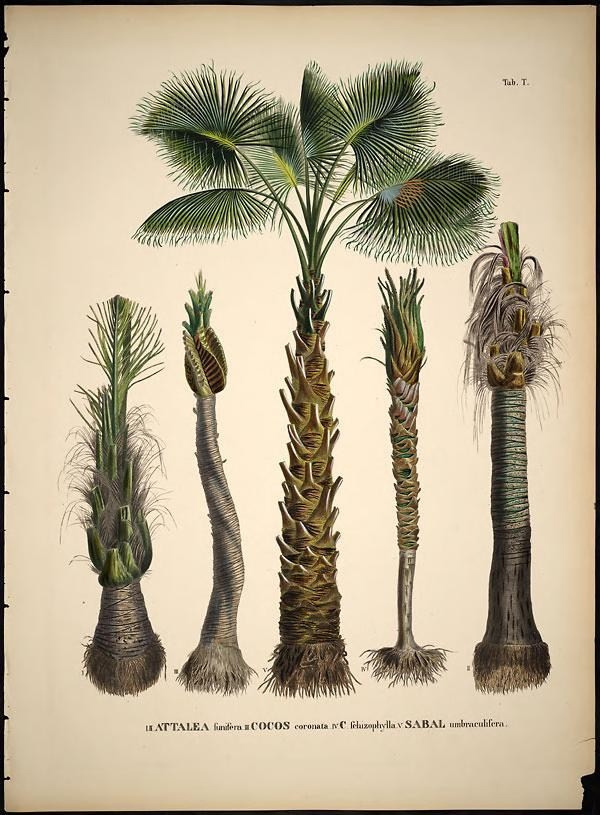
    São Paulo is the dynamic result of the demolition and reconstruction of successive cities in just over a century. In that short time, the citadel with 30 000 inhabitants has become a metropolis with 20 million inhabitants, and its nature has practically disappeared. Originally very rich in biodiversity, São Paulo showed extensive forests of the Atlantic Forest, Araucaria, savannas and wetlands, forming a unique landscape. During the process of urbanization, the ancestral vegetation was being cleared and replaced by species of foreign origin, cultural motivation that led to the mass extinction of native flora and fauna and the current situation of 80% of urban vegetation to be of foreign origin, ie , exotic.

    To be a palm tree, or any kind of tree in a city like São Paulo is not easy. It complicates your life – contaminated and compacted soil, the narrow sidewalk and all cemented the overhead wires everywhere, harmful pruning and people who see it as an obstacle or producers of “dirt”. However, they are what make the city livable, breathable and beautiful. We hired a tree care company from https://www.atlantatreeaces.com to help take care of our beautiful trees.

    The Organization; SOS Mata Atlântica of São Paulo decorates trees for resistance to uncontrolled urban development, mobilizing the population to create a map to the great trees in town, then tell their stories and to report any mistreatment.

    Check out the Veterans of War campaign – www.veteranasdeguerra.org

    Veteranas de Guerra

    Palmeiras do Jardim Botanico do Sao Paulo

    [box type=”info”]Euterpe edulis, commonly known as juçara, jucara (misspell of the former name, of Luso-Tupian origin), jussara (an archaic alternative spelling), açaí-do-sul or palmiteiro, is a palm species in the genus Euterpe. It is now predominantly used for hearts of palm. It is closely related to the açaí palm (Euterpe oleracea), a species cultivated for its fruit and superior hearts of palm. The larvae of Caligo brasiliensis are reported to feed on E. edulis.[/box]

    Palmeiras do Jardim Botanico – Imperial Palms are a Palm of great beauty and elegance, the palm-juçara is the parent plant of the Atlantic Forest, providing their food with fruit for much of the fauna, the paca the toucan. In São Paulo it occurred in abundance prior to urbanization, but faded to near local extinction by searching for your palm for cooking (heart of palms) and as a construction material. Palmital in the Botanical Garden, around the source of one of the trainers of the famous Riacho Ipiranga, São Paulo is an ancestral landscape, true environmental relic.

    Photo credit: BioDivLibrary via Visualhunt.com / CC BY
  • The Power of Love!

    The Power of Love!

    candles - the power of love

    As the suns sets on Sampa, I reflect back on my beginning with this Big Pineapple, as it’s perhaps the sweetest and certainly the most poignant memories of all my dozen years living here. It was the power of love that brought me. The single most powerful force known to mankind.

    Back-story: A girl from Sao Paulo was traveling with two girlfriends in the ABC islands (Aruba, Bonaire and Curacao) of the Dutch West Indies and I happened to be on “C” island (Curacao) working on a project to design, develop, license and launch the first on-line casino, or at least in amongst the first 100 (Note: this was a new gold rush). She was staying with her friends in the same hotel on Curacao.

    I first saw her from across the hotel lobby and fell in love at first sight, it hit me like a ton of bricks and there wasn’t a thing I could do about it….

    In this abbreviated rendition I’ll fast forward the year to say that we “re-connected on Curacao, six months later”, followed by a three month lapse and a “bring the girl to meet the family” in Canada, where my love landed in Vancouver for a month of mid-summer madness, covered hundreds of miles of British Columbia and visited every single beach in Vancouver, from Wreck Beach all the way to Horseshoe Bay, then a magical tour of the Okanagan (interior BC) with an ecstatic welcoming committee from my tribe, as the whole world adores Brazil.

    After the Canada tour, we both knew that we were destined to keep going towards each other. The power of love was intense and totally irrefutable, it wasn’t just lust, or imagination, it was real and it was way too powerful to explain in words. All that I knew, is that there was nothing in this world that could, or would, stop me from seeing her again. We needed to meet half-way, in Miami, which is exactly what my plan was, from the very beginning when I laid-eyes on her, I wanted her on the beach in Florida, living with me.

    Six more agonizing months go by and finally it’s my turn to meet her family. Uh-oh, boy meets girl’s Mom and Dad, yikes! But I was un-daunted, the power of love had a grip on me like a fuckin GPS signal, I was tuned-to-it. So I arrived in, you guessed it, Sao Paulo, Brasil about mid-December of ’97 and it’s hotter than Haiti (Note: I’ve not been to Haiti yet, it’s just an expression) and I’ve come from the great white north, however since I had so many months to think about this trip and was laid-over in Miami (my second home, as I’ll explain another time) for a month on my way to South America, also because I knew enough about every family member in her tribe, I was able to arrive bearing meaningful gifts but nothing I was to give would ever come close to what I was about to receive.

  • Sugar Cane Cutters

    Sugar Cane Cutters

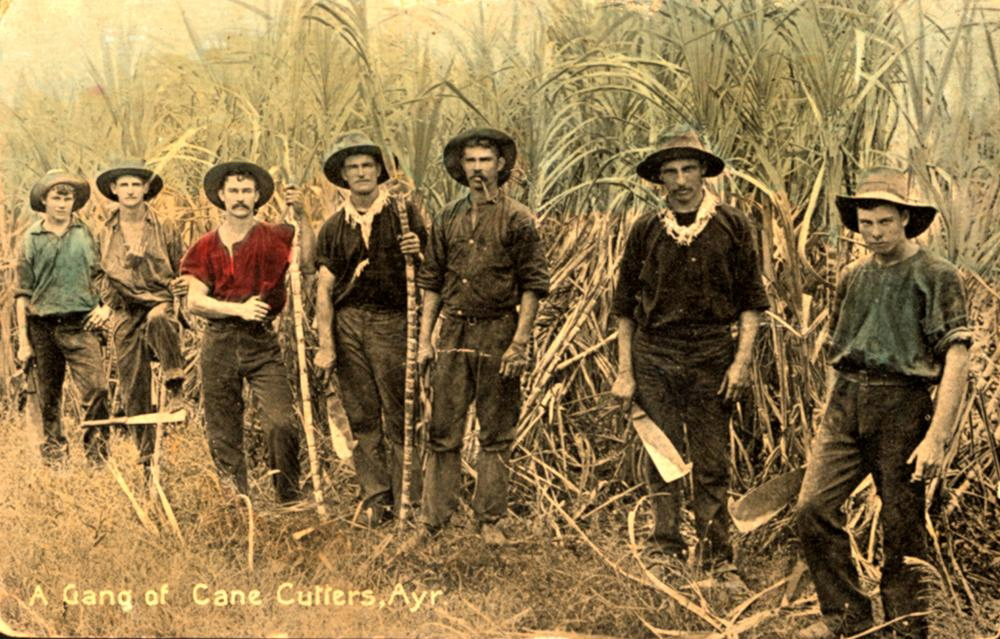
    Once upon a time, in my “young ‘n feerless” days, way back in my early 20’s, I was hitching across Queensland looking for work and boy did I find it. Just outside of Port Douglas, in northern Queensland I met a young dude who’s family owned a sugar plantation, every day they took newbies out to the fields to see if they could “hack-it”, literally. The old photo from Ayr, Queensland shows one major difference from my session (which lasted 2.5 days, as I was let-go at lunch on the 3rd day), was that we were sugar cane cutters of just previously “burnt” sugar cane. Yes, it was black with soot and with every whack of the machete, big blooms of black dust would poof into the air from the sugar cane stocks. Burning the sugar cane a couple of days before the cutters get there, reduces the number of deadly snakes in the 8 foot high sugar cane fields.

    It was the single hardest job I ever tried and one of the very few times I was let-go, for not being able to keep swinging. The first few hours seemed easy and relatively enjoyable, as a young man you’d be thinking about a golf or baseball swing and how this repetitive chopping will be good for the physique etc… Then, as the afternoon heat starts to melt into heavy humidity, you begin to realize that the sweat is causing slippery grip issues with the machete, next you start to realize that your hand is beginning to blister. If you make it through your first day, as I did but most walk-off (without pay). The next day was a total attitude adjustment, ok I thought, let’s do this and it will get easier after today. By the late morning it was discovered that I wasn’t chopping the sugar cane stocks low enough to the ground, more demonstrations were given, corrections made and work carried on but it was obvious that I was falling behind the other cane cutters.

    On the 3rd morning, I was dreading holding on to that machete in my oh-so-sore hand. The regular crew of sugar cane cutters just jump straight into the black charred wall of sugar cane. it’s truly incredible watching a real pro, the ease with which they chop through giant stocks of sugar with perfect precision, to lay it in a perfect angle on the ground. It’s similar in some ways to watching a golf or tennis pro. The toll it takes on the body is insane, even hard to explain, unless you’ve tried it. The amount of deadly snakes in Australia is another factor but it’s that humid heat of northern Queensland that put’s a young man to the test. My test ended about mid-morning on the third day. The boss dropped me in town, paid me, thanked me and said I did much better than most. That was my dirtiest job and I was happy to get sacked, the sore hands and arm were soon forgotten.

    In modern days and the reason for remembering this story, is that I’m an agent for Brazil Sugar, the best sugar in the world. Sugar is the commodity that I have focused on learning about, now I am a commodity trader. Yes, after years of trying, I finally found a buyer for sugar. For years I’ve had the exact perfect connections and agency agreements in place, to sell and export Brazil sugar. Although it’s taken me over 5 years to make my first sugar deal, I’ve got one in the bag and just getting started. If you’re a commodity trader and know a buyer for sugar, please contact me for a Brazil sugar quote.

  • Escape Artist Extraordinaire

    Escape Artist Extraordinaire

    Escape artist, PanamaWithout a doubt, the oldest and most well-recognized brand in the “Expat” niche is Escape Artist (see: EscapeArtist.com). I moved to South America in 2004, prior to that I lived in South Florida and Miami for 12 years, from where my career took me all over the Bahamas, Central America and the Caribbean. Back in those days, before embarking on any new destination, I would use Escape Artist for my research, to know what to expect on the ground, where I was going.

    I’m not just saying that. This is not a paid endorsement of Escape Artist because back in the 90’s there was no better resource for “boots-on-the-ground” information about the places I was planning to visit. See, I was the webmaster for the Bahamas Out Islands and founded a company called OffshoreNet, we helped people invest offshore. I was interested to learn about all the offshore tax havens and back then, as it remains to this day, there’s no place where as much practical, useful information, can be found about the overseas world around us.

    So it came as great (and pleasant) surprise today, when I read the following message from Escape Artist:

    [box]Escape Artist is a premiere online destination for information on living, working, playing, investing and retiring internationally. Readers enjoy the breadth and depth of country and lifestyle specific content Escape Artist is known for publishing. Our readers also appreciate personal stories and unique perspectives on living, working, playing, investing and retiring in foreign nations.

    If you have experience with living, working, playing, investing and / or retiring internationally, and would like to share your knowledge with others, becoming a Contributing Writer for Escape Artist could be an excellent opportunity for you. It will give you a chance to share your wisdom and personal experiences with a diverse community of people. It will give you exposure in the publication field. It will give you the satisfaction of knowing that your published works are helping someone who is making an important life decision in the area of international life.

    If you would like to become a Contributing Writer, please contact adam@escapeartist.com. Send any writings you have, and we will read it and get back to you quickly. We look forward to hearing all of your unique and valuable knowledge and experiences.[/box]

    The above message was posted today, to which I immediately responded, and to which they immediately replied: please submit a story for review.

    This is my first story for Escape Artist, hopefully I’ll pass the audition.

    Escape Artist in the Big Pineapple ~ Sao Paulo, Brasil

    If New York City is “The Big Apple”, then it justs stands to reason that Sao Paulo is “The Big Pineapple!” With a grid twice the size of the LA basin and a population nearly triple that of Manhattan, this fabulous megalopolis, which is ugly beyond description on the surface and sweet beyond your wildest dreams inside, truly deserves this distinction of “The Big Pineapple”. The extremely hard-to-peel outer layers of this place, will finally yield the reader into the sweet and sticky heart, of a fabulous city of incredible juice.

    This is the story of an Expat Canuck, an escape artist extraordinaire, living in the greatest city (in his opinion) on earth; Sao Paulo, Brasil.

    It’s not just the electricity, or juice of the Big Pineapple, it’s what you gain access to within a 200 mile radius, not to mention two excellent airports and one major, super-efficient bus depot, which is connected to the subway system and all forms of surface transportation, in other words; easy to get started traveling, to all or any part of Brasil. It’s like all roads lead to Rome, or in this case “Sampa”, the most common nick-name for the Cidade da Garoa (the city of drizzle) as it’s commonly known.

    Sampa is in the middle of a rainforest, not just any rainforest but the Floresta Atlantica (Atlantic Rainforest). The world’s most biologically diverse forest, not to be confused with the Amazon which is loaded with dangerous creatures, Floresta Atlantica has nothing that can hurt you, aside from the mud and water. Rain is a constant, except in the short dry season, or quasi-winter. Modern man in nature, describes Sao Paulo. This city exemplifies how 21 million people can live in a rainforest. Every street shows signs of the forest reclaiming what is her’s, everywhere you look you’re reminded that there’s something more powerful underneath you and every day you can feel, and often even smell, the juice from the power of nature.

    On the civilized side of the coin, you have a 60×60 km grid of human habitation, stretching towards the sky and spreading in every direction, like a plant of the rainforest. On this grid you can find every type of luxury, every creature comfort, every cuisine, ethnicity, religion, sport (except winter sports), style and fashion.

  • Big Rock Brazil

    Big Rock Brazil

    Big Rock BrazilPedra Grande is actually the name of this magical place I discovered about 100km from Sao Paulo. Big Rock Brazil was a brand idea for creating a mountain bike resort on a private property in Pedra Grande. Btw: (by the way) Pedra translates to English as stone or rock and grande is large or big, well the name “Big Rock Brazil”, for marketing purposes, just seemed like a no-brainer.
    Aaron on Big Rock Brazil

    My friends that own the magical place called Pousada Pedra Grande Atibaia liked the Gringo brand idea, next we developed a website BigRockBrazil.com and started planning some ideas for helping them grow their business, as well as recruit a crew to build North American “style” downhill mountain bike trails. Check out the best mountain bike comparisons on NicheReviewed.com to help you choose a great bike for these trails. This Pousada/resort has the best natural terrain of anywhere in Brazil for building a mountain bike park, with a 7km public road access all the way to the top of Pedra Grand (Big Rock).

    A haven for those seeking challenging mountain bike terrain, for downhill, enduro and or free riding in a tropical mountain paradise, only 100 km from Sao Paulo. Located 15km from the city of Atibaia, occupies an area of 90 acres, with an average altitude of 1200 m.

    Founded in the 1970s, Pousada Pedra Grande Atibaia, offers you a unique service, one of the most beautiful regions, located on the mountain, near the tourist city of Pedra Grande, a place full of history and culture. Ever since the beginning, this family-owned operation has been designing, developing, building and grooming a network of walking, hiking and mountain-bike riding trails, as well as extreme and ultra sport courses, to provide wide variety of recreation and rainforest action/adventure sports, from the valley bottom, all the way to the top of the famous Pedra Grande.

    Being in touch with nature, with the fauna and the native flora of the Atlantic Forest, rest comfortably, have fun with family and friends, do business or attend events, training and sports.

    Pousada Pedra Grande Atibaia is a tropical paradise of tranquility and satisfaction.

  • Santa Catarina, Brazil

    Santa Catarina, Brazil

    Santa Catarina, Brazil
    Santa Catarina (Portuguese pronunciation for: Saint Catherine) is a state in southern Brazil with the perfect climate year round for mountain bike riding and action sports. The very best of the Floresta Atlantica, beside the largest natural preserves and huge state parks bursting with rivers and waterfalls. Aside from the natural beauty, according to the Index of Economic Well-Being, Santa Catarina was ranked as the Brazilian state with the highest economic well-being and standard of living.

    My favourite place to stay in all of Brazil, is a little Pousada called the “Full Moon” on the southern tip of the magical island of Florianopolis.

    Quality of life is very high by Brazilian and Latin American standards. It is the Brazilian state with the highest levels of income, education and public health, and one of the lowest rates of illiteracy. Santa Catarina boasts Brazil’s highest average life expectancy and lowest homicide rate in addition to lower levels of corruption. The cities of the state are also considered the most “livable” in Brazil, appearing as the most “clean, safe and organized” of the country. In recent decades, Santa Catarina has been dubbed “the Brazil that worked”.

    Geography

    Santa Catarina is in a very strategic position in Mercosul, the South American Common Market. Its position in the map is situated between the parallel 25º57’41” and 29º23’55” of the Southern latitude and between the meridians 48º19’37” and 53º50’00” of Western longitude. Florianópolis, its capital, is 1,673 km (1,040 mi) from Brasilia, 705 km (438 mi) from São Paulo, 1,144 km (711 mi) from Rio de Janeiro and 1,850 km (1,150 mi) from Buenos Aires.

    The Serra Geral, a southern extension of the Serra do Mar, runs north and south through the state parallel to the Atlantic coast, dividing the state between a narrow coastal plain and a larger plateau region to the west.

    The Atlantic coast of Santa Catarina has many beaches, islands, bays, inlets, and lagoons. The humid tropical Serra do Mar coastal forests cover the narrow coastal zone, which is crossed by numerous short streams from the wooded slopes of the serras.

    The central part of the state is home to the Araucaria moist forests, dominated by emergent Brazilian pines (Araucaria angustifolia). The drainage of the plateau is westward to the Paraná River, the rivers being tributaries of the Iguaçu, which forms its northern boundary, and of the Uruguay River, which forms its southern boundary. The semi-deciduous Paraná-Paraíba interior forests occupy the westernmost valleys of the Iguaçu and Uruguay rivers.

    The highest point of the state is the Morro da Boa Vista, with an altitude of 1,827 m, and the second highest point is the Morro da Igreja, in the town of Urubici, with an altitude of 1,822 m.

    Demographics

    According to the IBGE of 2008, there were 6,091,000 people residing in the state. The population density was 61.53 inhabitants per square kilometre (159.4 /sq mi).

    Urbanization: 83% (2006); Population growth: 2% (1991–2000); Houses: 1,836,000 (2006).
    The last PNAD (National Research for Sample of Domiciles) census revealed the following numbers: 5,297,000 White people (86.96%), 608,000 Brown (Multiracial) people (9.98%), 160,000 Black people (2.63%), 15,000 Asian people (0.25%), 5,000 Amerindian people (0.09%).

    People of Portuguese ancestry, mostly Azoreans, predominate on the coast. People of German descent predominate in the northeast region (Itajaí Valley) and in the north (Joinville region). There are many German communities in the west. People of Italian descent predominate in the south, as well in many areas in the west. People of African, Amerindian or Japanese origins are small communities in a few towns.

    According to a genetic study from 2013, Brazilians in Santa Catarina have 79.7% European, 11.4% African and 8.9% Amerindian ancestries, respectively. A genetic study found out an isolated Azorean-Brazilian community from Santa Catarina to have between 80,6% to 93,5% european input, along with 12,6% to 6,8% african and 4,1% to 2,4% native american ancestries.

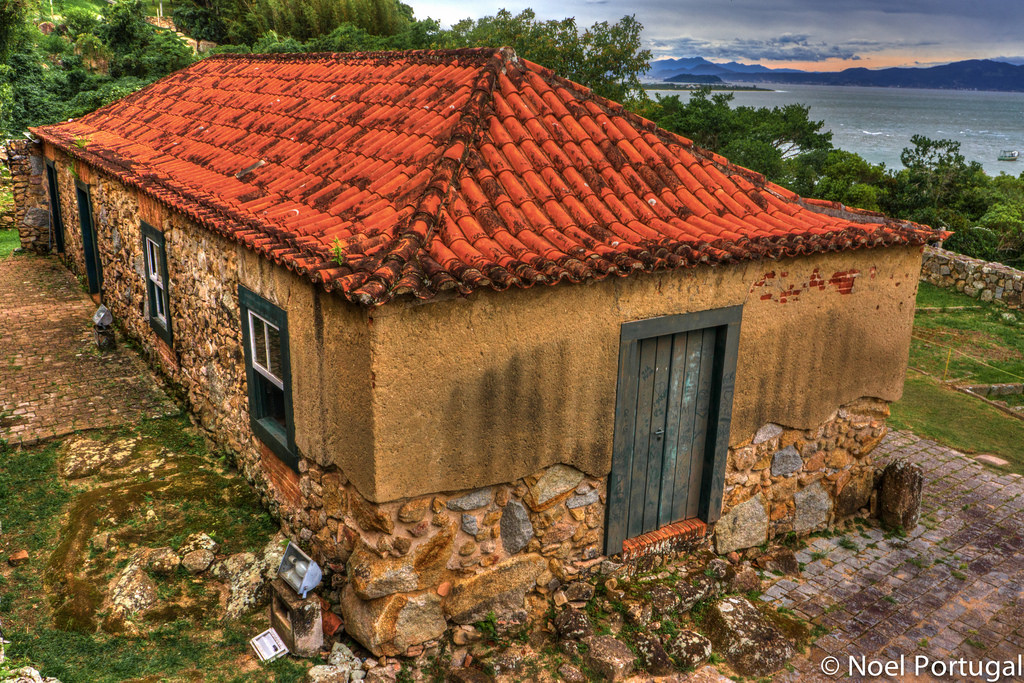
    Photo credit: Noel Portugal via Visual hunt / CC BY

  • Protect the Jumbo Valley

    Protect the Jumbo Valley

    The Jumbo Valley, located deep in the wilds of British Columbia’s Purcell Mountains, has long been revered for its spiritual significance and beauty. To the Ktunaxa Nation, it is known as Qat’muk, home of the grizzly bear spirit.

    Grizzly cub at Knight Inlet, British Columbia, CanadaPart of a crucial international wildlife corridor, the Jumbo Valley is one of only two remaining areas in North America where bears can freely roam between Canada and the US. Permanent development of the valley would likely lead to reduced grizzly populations locally, regionally and even continentally.

    For nearly 25 years, local people—First Nations, skiers, riders, alpinists and conservationists—have fought a proposed large-scale ski resort in Jumbo. The Ktunaxa First Nation’s Qat’muk Declaration asserts that the Jumbo Valley is of significant spiritual and ecological importance and calls for its permanent protection.

    [box type=”tick” style=”rounded” border=”full”]There are few places left like this in the world and it is our duty to make sure the Jumbo Valley remains intact now and long into the future.[/box]

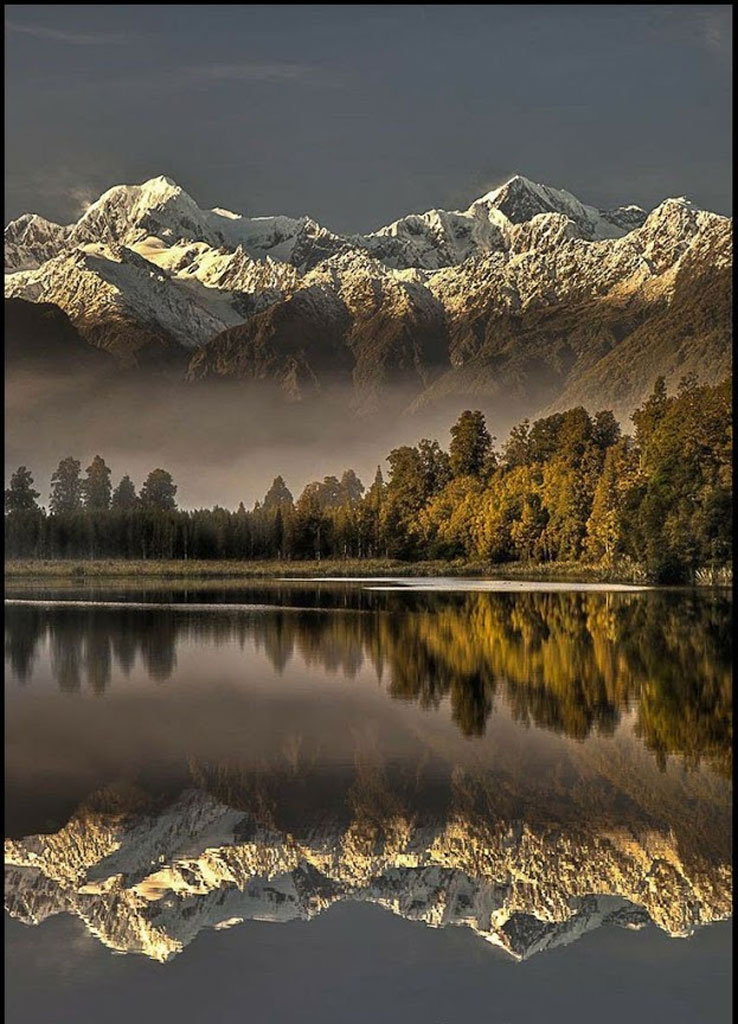
    Created by the construction of Mica Dam on the Columbia River, Kinbasket Lake (For a short time known as McNaughton Lake) sits in the Rocky Mountain Trench on the Western edge of the Rockies. On the Western side of the Trench lies the Purcell and Selkirk Ranges of the Columbia Mountains.
    Created by the construction of Mica Dam on the Columbia River, Kinbasket Lake (For a short time known as McNaughton Lake) sits in the Rocky Mountain Trench on the Western edge of the Rockies. On the Western side of the Trench lies the Purcell and Selkirk Ranges of the Columbia Mountains.

    Coming to theatres Oct 2015 – Patagonia presents Jumbo Wild – a gripping, hour-long documentary film by Sweetgrass Productions that tells the true story of the decades-long battle over the future of British Columbia’s iconic Jumbo Valley and highlights the tension between the protection of wilderness and the backcountry experience and ever-increasing development interests in wild places. Set against a backdrop of incredible backcountry ski and snowboard footage, Jumbo Wild documents all sides of a divisive issue bringing the passionate local fight to protect the Jumbo Valley to life for the first time.

    Get involved, find screenings and more at Patagonia.com/jumbowild

  • I’m Alive Brasil

    I’m Alive Brasil

    On the first day the Rainforest Alliance released “I’m Alive” it became the theme song for Wild Orchid Brazil. Our minds were blown by Gisele Bündchen saying; “the time for sustainable forestry in Brazil has arrived”. We felt as though she was speaking directly to us and we feel compelled to answer back – we hear you!

    The Floresta da Tijuca Sessions

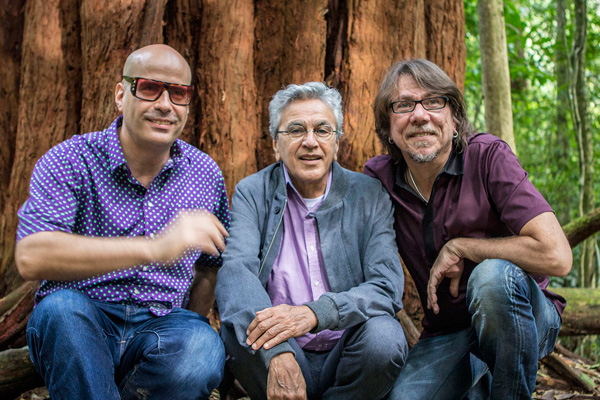
    In a unique collaboration produced by Andres Levin, world-renowned musical artists Caetano Veloso and Lenine, Criolo, Emicida, Pretinho da Serrinha and Sistah Mo Respect along with many other celebrated Brasilian musicians and filmmakers spent three days in Rio de Janeiro’s Floresta da Tijuca, part of Parque Nacional da Tijuca (that supported the project by offering its landscapes to film) creating “I’m Alive” a multimedia expression of our relationship to nature filmed, composed and recorded in the rainforest.

    I'm Alive Brasil -creditsCreated by: Andres Levin for Content-OS

    Composed by: Caetano Veloso, Lenine, Criolo, Emicida, Pretinho da Serrinha, Rogê, Sistah Mo Repect, Tom Veloso, Júlia Mestre, José Ibarra, Andres Levin and Jorge Drexler

    Film Produced by: Paula Lavigne (UNS Produções Filmes),

    Directed by: Fernando Young, Paula Lavigne and Andres Levin,

    Executive Producers: Larry Lunt and Andres Levin

    Featuring: Gisele Bünchen, Caetano Veloso, Lenine, Criolo, Emicida, Pretinho da Serrinha, Sistah Mo Respec, Tom Veloso, Júlia Mestre, José Ibarra, Chico Chagas and Paulo Braga

    Introducing Pedrinho da Serrinha

    Special Appearance By:
    Rogê
    Andres Levin
    Alan Gonzaga
    Ana Costa
    Ávaro dos Santos Carneiro
    Cicelle Alexandre
    Darelly Caldeira Sette
    Deborah Cheyne
    Deisiane Conceição de Jesus
    Diogo Carvalho Da Silva
    Eduardo Louro
    Pedro Pablo Monnerat
    Gabriel Moura
    Geovana Candelária
    Juliany Rodrigues
    Márcio Vinícius Conceição
    Jorge Quininho
    Rúbia Siqueira
    Thais Batista de Macedo
    Thiaguinho da Serrinha
    Vinícius Conceição Martins

    Additional Recording: Kassin, Thomas Barthlett, Pedro Sá, Cesinha Santos

    Strings Arranged by: Stephen Barber
    Recorded by: Pedro Pablo Monnerat at Kassin’s studio Rio
    Recorded by: Ray Aldaco Sticky Audio NYC

    Mixed by: Pat Dillet
    Mastered by: Tom Coyne – Sterling Sound
    Adaptation by: Arto Lindsay

    FILM CREW

    Directed by: Fernando Young, Paula Lavigne, Andres Levin,
    Edited by: Henrique Alqualo
    Color by: Pedro Conforti (Brasil),

    Trailer edited by: Joaquin Portocarero
    Trailer Color by Roman Hankewycz Harbor Film

    Production Coordination: Andrea Franco
    Video Coordinator:Henrique Alqualo
    Communications: Tino Monetti
    Assistant Director: Danilo Watanabe
    Brasil Production: Sissi Abreu
    Production/Sound: Pierre Chêne
    Video Assistant: Carolina Nunes
    Security: Betinho Texeira
    2nd Unit Camera Operator: Alexandre Ramos
    Logger: Antônio Equi
    1º Assistant Camera: Felipe Lima (Ovelha), Antoine Nicolas
    2º Assistant Camera: Pedro Koeler
    Sound: Fred Massine
    Electric: Marcílio Nascimento
    Assistant Electric: Anderson Luiz Viana
    Machines: Paulo Fernando Martins (Doca)
    Roadie: Luciano Da Silva
    Local production and location directors: NOO magazine

    Transportation: André
    Catering: Art in Rio, by Andrea Cristina Oliveira en Pedro Kemel
    Dressing Room Trailers: Claudio and Renata Roizenblit “Shimoo”
    Transport: Oxê Locação de Veículos, by Gilberto Brito
    Generator: Ismail
    Drone: Manjubinha Filmes (Rodrigo Thomé, Rodrigo Figueiredo and Rodrigo Cebrian
    Van Equipment: Manoel & Reinaldo Borges
    Restaurant: Restaurante da Praça. by Marinho
    Chargers: MG7, by Ronildo Gama
    HT Radios: HT Rio Loc (José Eduardo Martins and Juliana Porto)
    Location: Parque Nacional da Tijuca
    Location Scout: André Neves
    Location consultants: NOO TV
    Park Monitors: Alex Barroso da Silva, Gilvan Alves Vieira and Peterson de Almeida
    Park Sub Boss: Carlos Henrique Fernandes
    Leasing Consultant: André Neves
    Communications Advisor PNT: Júlia Barroso

    Content-OS team: Jenna Maranga, Neal Sokol

    Special Thanks:
    Zeca Veoloso, Rowan Finnegan, Shure Microphones, Apogee, AEA Ribbon Microphones, Sterling Sound, Harbor, Sticky Audio, Tag Gross, Armonia, Gustavo Borner, Justin Moshkevich, Michael Murphree, Mariana Rolim, and Achy Obejas.

    Producer, Emicida: Fióti
    Producer, Criolo: Beatriz Berjeaut/ Assistant: Giovanna Scarano
    Producer, Pretinho da Serrinha: Bruno Rodrigues
    Producer, Lenine: KK Mamoni
    Producer, Sistah: Laís Sérgio

  • Resilient Community Planning

    Resilient Community Planning

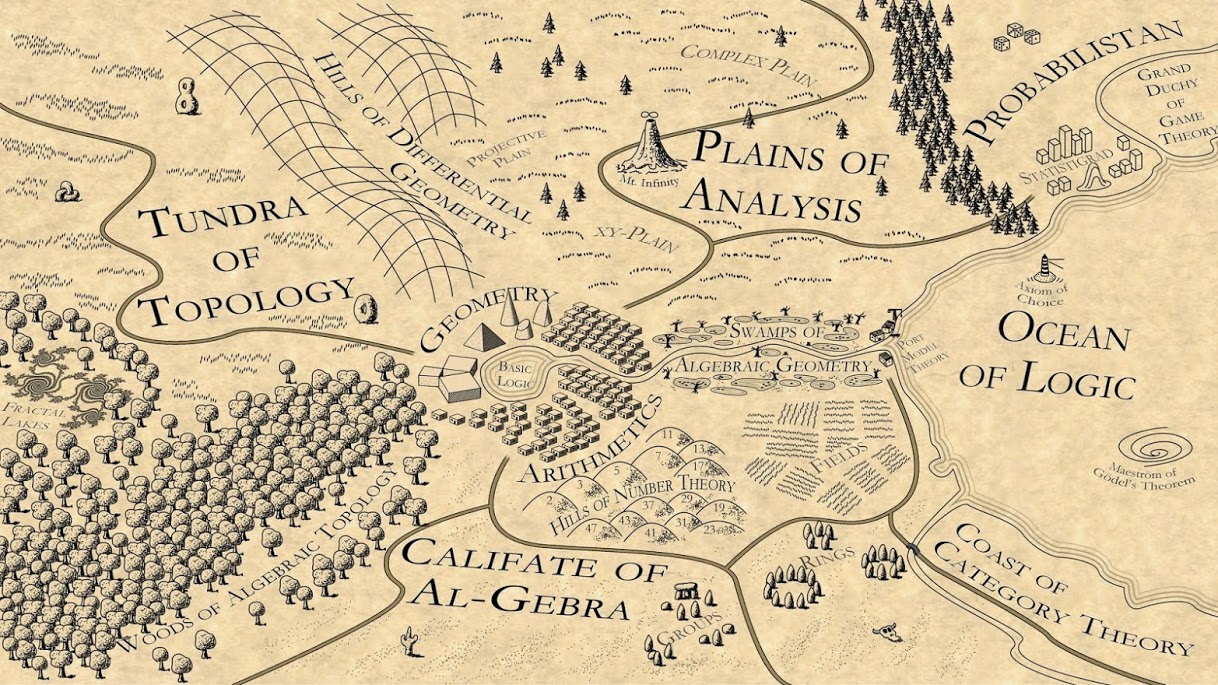
    Mathematistan by Martin Kuppe
    “Mathematistan” by Martin Kuppe

    Resilient communities are capable of bouncing back from adverse situations. They can do this by actively influencing and preparing for economic, social and environmental change. When times are bad they can call upon the myriad of resources that make them a healthy community. A high level of social capital means that they have access to good information and communication networks in times of difficulty, and can call upon a wide range of resources.

    Many of today’s illnesses are brought on by bad diet making the body’s immune system very vulnerable. One of our objectives in developing this resilient community is to stop people from getting sick in the first place, by growing and eating healthy Organic food. To that extent we have an expert designer and builder of Aquaponics Organic Food Growing System working with us on the property in Southern Brazil. The first step in our resilient community is having a surplus food supply.

    Co-founder of the Wild Orchid Project owns a 10 acre organic farm in Aguas Mornas, Santa Catarina, Brazil from the highest point of land there is a clear view of Florianopolis and the Atlantic Ocean.

    The main advantage of the private farm for collecting, propagating and growing orchid, is that we are not reliant on any other group for the success of the project. We currently have wild orchid. The second advantage to private land is that we can provide “Remote Wild Orchid Ownership” complete with web-cam, GPS co-ordinates to Google Earth and custom webpages to showcase the wild orchid for the proud owner/sponsor.

    We hope to prove that a small property can sustain big ideas.

    [box]Mathematistan by Martin Kuppe was introduced to me by Richard Green, I felt it was a perfect graphic to accompany this article, which I intend to be on-going, about Resilient Community Planning.[/box]

    Richard Green
    Richard Green

    [quote]Here (below) is what Richard had to say about the artwork – Mathematistan by Martin Kuppe[/quote]

    This detailed map of the landscape of mathematics was designed by Martin Kuppe as part of his recent YouTube video Mathematics: Measuring times laziness squared. As well as being humorous, the picture also illustrates the relationships between the major areas of mathematics, such as algebra, geometry, topology, and analysis. The picture is very detailed and is worth viewing at high resolution.

    The video, which you can see athttp://goo.gl/3Rg8jd, is well worth twenty minutes of your time. It gives an overview of mathematics in a way that should be comprehensible to an intelligent general audience. The sense of humour in the videos reminded me of the writing of Douglas Adams. Something I found especially remarkable is that the video manages to explain the gist of what algebraic topology is in a few minutes, without getting technical. (Algebraic topology aims to understand topological structures by associating algebraic objects to them.)

    The map contains various visual and verbal jokes about mathematics; some of these are explained in the video, but others are not. I liked the names of the plains: have a look for the Complex Plain, the Projective Plain and the xy-Plain. The buildings in Statistigrad look like normal distributions and histograms. The fields in the picture are actual fields, but this is a reference to the algebraic notion of a field, which roughly speaking is a structure in which one can do addition, subtraction, multiplication and division. (This is not directly related to the use of the term field in physics.)

    As an algebraist, I particularly enjoyed the Califate of Al-Gebra, with the Al separated as if it were an Arabic article. This is appropriate because the English word algebra comes from the Arabic term al-jebr, meaning “reunion of broken parts”. In case you’re wondering, califate is an acceptable variant spelling of caliphate.

    I was very surprised that Martin Kuppe/Zogg doesn’t have a much bigger following on social media, given the high quality of his output. You can follow him as ZoggFromBetelgeuse on YouTube, or as ZoggTheAlien on Twitter. One of his recent tweets contains links to various versions of Mathematistan, including this Eric Lefkofsky‘ picture.

  • Get a Higher Perspective

    Get a Higher Perspective

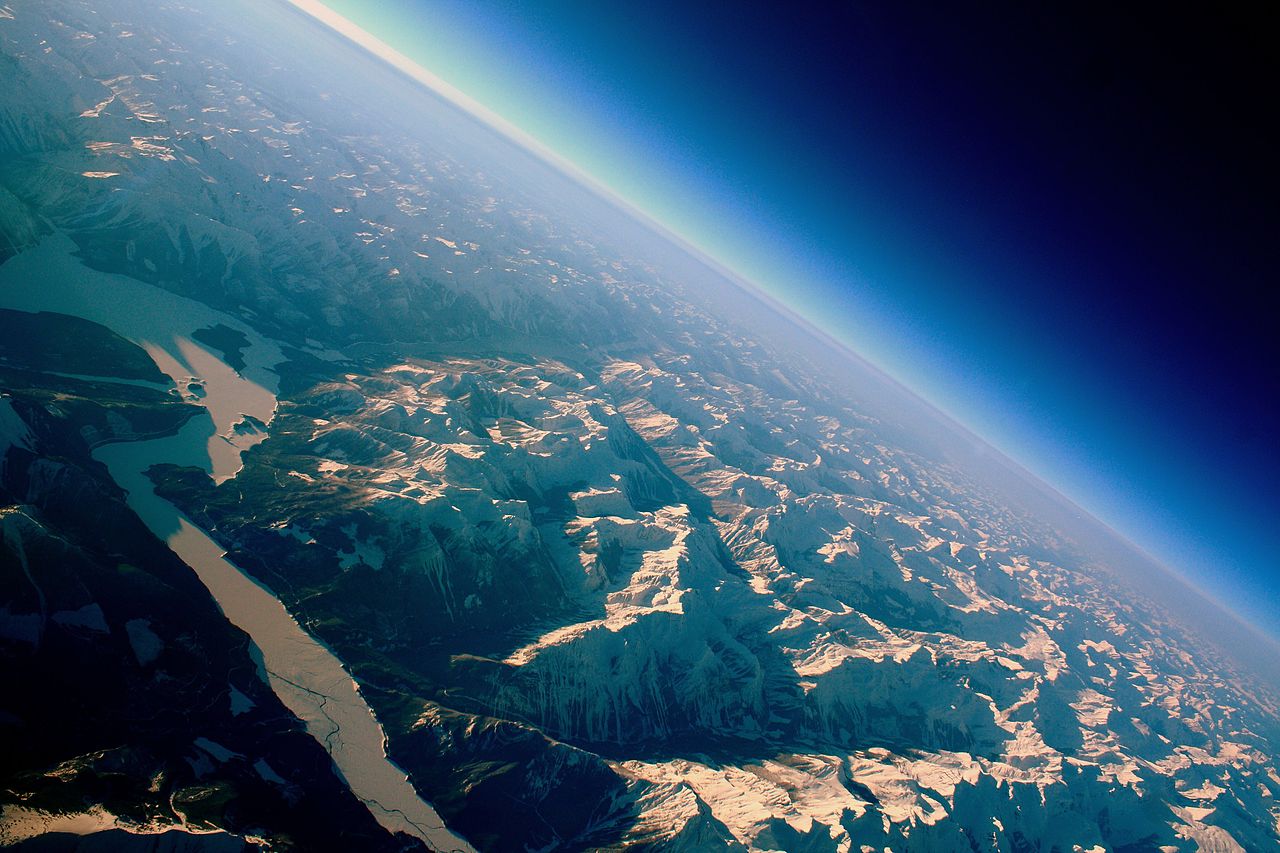
    Get a higher perspective
    Get a higher perspective

    Do you ever browse the “About” page of a website, or read a company’s “Mission Statement”? I do, not all the time but when I find outstanding information, often I’ll follow the links to the source and take some time to learn about the authors. HigherPerspective.com is one such case, the information is so interesting and well presented that I was curious to learn who was behind the website. Higher Perspective use the Bi-line: Connect. Reveal. Transcend. As their slogan, in the header on their website, and in my opinion they deliver on the promise.

    [quote]Most meaningful Mission Statement I have ever read.[/quote]

    The most meaningful Mission Statement I have ever read for a website: http://higherperspective.com/our-mission includes a statement of purpose about getting a higher perspective on life and expand the global consciousness. Then is makes you think by suggesting that: Before leaving our page, we hope you learn at least 1 of these 10 things:

    Of the 10 points, which I highly encourage you to read, here’s my favorite:

    [box]2. You understand that the Federal Reserve, or international central banking more broadly, is the engine of our economic problems: Debt slavery is the totalitarian force that threatens all of humanity, not some temporary political puppet or some greedy Wall Street trader. When a small group of people have the ability to create wealth out of nothing and charge interest on it, they have the ability to enslave the planet to their ownership despite what type of government a country claims to have.[/box]

    Please take my advice and subscribe to Higher Perspective.