Category: Projects

  • Lions Gate Club

    Lions Gate Club

    Lions Gate brick wall

    Lions Gate for Self-sovereign Identity (SSI), is an idea who’s time has come.

    Nothing is stronger than an idea whose time has come.

    Armies cannot stop an idea whose time has come. No army can stop an idea whose time has come. Nothing is as powerful as an idea whose time has come. There is one thing stronger than all the armies in the world, and that is an idea whose time has come.

    Victor Hugo

    It’s hard to make something easy, and easy to make something hard. To date, there’s no easy solution for personal SSI because it’s not an easy proposition and it’s not free. Yet, the solution lays in the value of a name and not exploiting that, rather to aggregate the names and grow organically.

    A good name is more desirable than great riches;
        to be esteemed is better than silver or gold.

    Proverbs 22

    The Digital Identity movement has been around a long time, however it’s only recently that Self-Sovereign Identity started to trend, largely due to increasing awareness of a data cloning, and fear of phishing.

    Lions Gate icon

    Would you trust your ID to a corporation, or rather to a Club that you were a member of?

    Lions Gate Club is brain-trust first, then a foundation was created with an advisory board, the criteria was always the same “who can you trust to secure your SSI? so the Club was devised with a mandate to constantly improve the KYC platform and SSI management system. Design a better system to protect the team-member’s most valuable asset, and all are shareholders by virtue of their names.

    Your name is worth more than you think and we want to pay you to keep your verification in an organization that you are an owner in, because you lent us your name. Now you claim your reward, once you grow through the payment curve of the Fibonacci sequence business model.

    The reason for Lions Gate Club is that you can’t trust something as important as your identity to an enterprise that you have no control of, the reason a club generates you money is because you helped to get it started and provided your endorsement and paid your dues to get in the spiral.

    A business in service of others, that’s how we leverage your name and why you own a piece, the same amount as everyone else. Our objective is to be driven by service to others in our Club and for this reason Lions Gate Club is a product for members to promote and earn referral fees, once again based on the compensation math of The Fibonacci spiral.

    Lions Gate Club Golden Ration Business Model

    Lions Gate Club is a Club, and a co-op and an independent enterprise the primary difference is that it’s an inverted payment model that shrinks over time based on the “Golden Ratio” business model. The objective of the model is to re-invest towards sustainability, with a revolutionary blockchain staking plan and node farming for revenue generation.

    A tiling with squares whose side lengths are successive Fibonacci numbers

    Trust is the Mission of Lions Gate Club by utilizing a double-blockchain strategy for SelfKey tokens stored on a Horizen blockchain, using mobile phone apps to access ID by digital wallet. Corporate management are vested owners and project partners, utilizing a “Share the Growth” business model. Constantly seeking to streamline and simplify operations.

    The Key is to do one important thing, a very simple set of parameters exists for digital on-boarding and correct KYC procedures for Anti-money laundering and secure document storage of your ID. Simple presentation to guarantee you are verified by Lions Gate, to be who you say you are.

    Hard to make something easy, yet easy to make something hard

    SunflowerModel.svg

    Vogel’s formula of the pattern of sunflower florets using Fibonacci number
    By Doron, cmglee – Own work, CC BY-SA 3.0, Link

    Lions Gate Club is an open source, liquid democracy, co-operative. Membership fee uses Fibonacci sequence to obtain profit growth that is reinvested to achieve sustainability. People are the focus, as we require the best and brightest to keep our names safe, this is a pursuit of excellence that must set us apart. The actual sticky sauce is the founders and the followers, as we pay down the costs of each persons service, month after month, it becomes less and less until it begins to pay you pennies, then nickels, dimes, quarters and finally to dollars per month.

    FibonacciSpiral.svg

    The Fibonacci spiral: an approximation of the golden spiral created by drawing circular arcs connecting the opposite corners of squares in the Fibonacci tiling; this one uses squares of sizes 1, 1, 2, 3, 5, 8, 13 and 21.
    By Jahobr – Own work, CC0, Link

    The financial sustainability of the enterprise is in the math and the fact that there is an actual cost to have the worlds best ID storage, verification and digital on-boarding system. What’s it worth to you? What if we could provide that on a diminishing cost scale, over time?

    Would you trust your ID to a corporation, or rather to a Club that you were a member of? What if the Club paid you money to keep your Digital Identity in the system and then tell others, scale to infinity using the same math.
  • Share the Growth

    Share the Growth

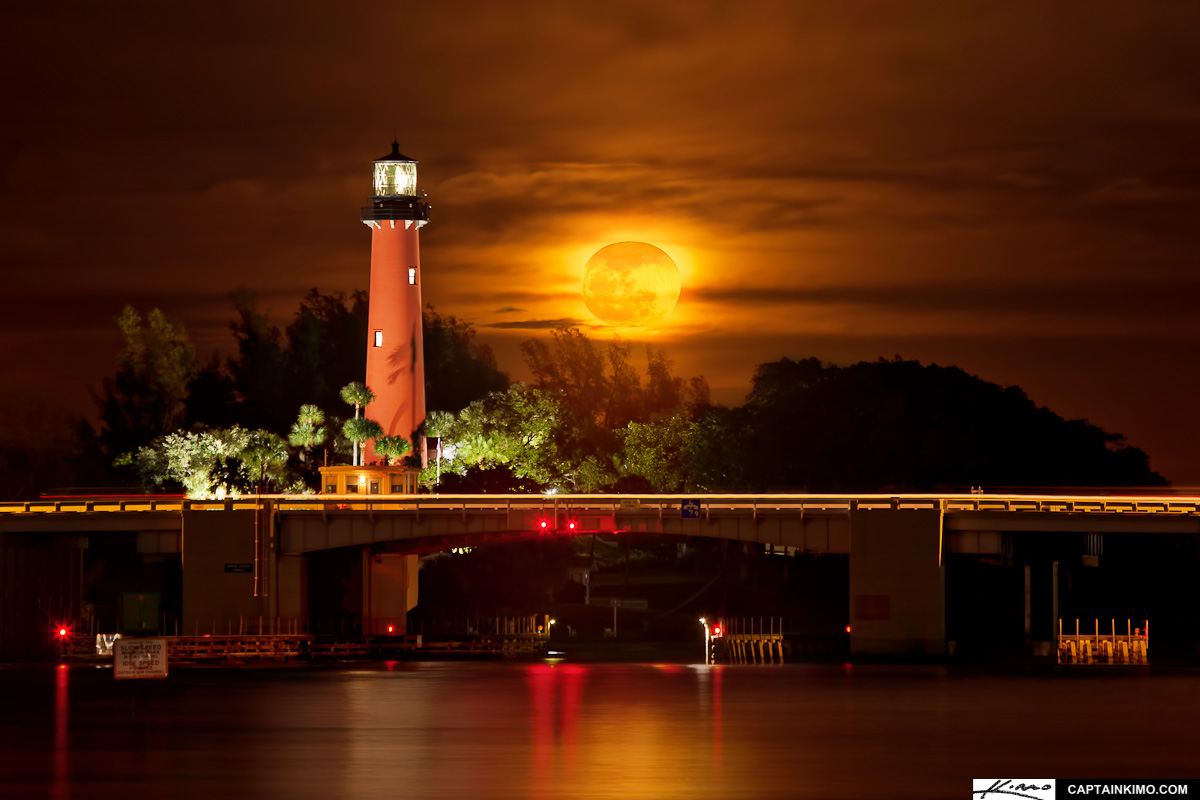
    Burning Moonrise Over Jupiter Inlet Lighthouse Florida Share the Growth
    Burning Moonrise at Jupiter Inlet Lighthouse Florida

    My first friend in USA when I moved to Pompano Beach, Florida following the great real estate crash of Toronto in 1989, where I had been a licensed real estate agent. My next door neighbour on the Intra-coastal waterway, was James Taylor Bruce. James created the concept of Share the Growth and now created the website SharetheGrowth.org.

    Share the Growth presents 4 Wisdoms; knowledge and training for peace, prosperity and happiness. Here’s an excerpt from 4 Wisdoms about the author and founder Nicolas Kimaz.

    Nicolas Kimaz’s 25 years of expertise and unique approach will activate your 4 Wisdoms to be transformed through a special process to give your Life a Spiritual Meaning that will influence your leadership and relationships to Scale to a Higher Being to become a river of Gifts, a river of Love, a river of Giving and a river of Healing. 

    Dr. Nicolas Kimaz, N.D

    4 Wisdoms is co-created with Share the Growth and incorporates the business model where many more people are engaged in an operation but the distribution of expenses is used across a greater number of individuals, a synergy of more hands making lighter work, to provide better service, better end results and a better customer experience, with more profit.

    Share the Growth is genius and a simple idea long overdue, essentially the idea is bring innovation to the business model itself, which was never transferred into the concept of being in service of others, and extending that into a business model that can harmonize management and operations of any type of traditional business. Share the Growth is the way of the future, as we begin to return to collective societies.

    Share the Growth Photo credit: Captain Kimo on VisualHunt.com / CC BY-NC-ND

  • Vancouver Intercontinental Consulting Group (VICG)

    Vancouver Intercontinental Consulting Group (VICG)

    Vancouver Intercontinental Consulting Group (VICG)

    His name is Kwan Lok LEE  (Leon) he’s a semi-retired Engineer from Vancouver, Canada. Leon is the founder and CEO of Vancouver Intercontinental Consulting Group (VICG), now specializing at Infrastructure Funding.

    Please visit the Vancouver Intercontinental Consulting Group (VICG) website.

    Leon Graduated B. Sc in Mechanical Engineering with Higher Honors in 1993 from North Carolina A&T State University.

    Completed M.Sc in Engineering with Highest Honors in 1975 from North Carolina A&T State University.

    Worked as an industrial engineer and production manager at Jantzen, Ancient Mariner and various industries in Vancouver.

    Worked as a consultant engineer in various industries.

    From 1993-2002, had been working as an international consultant on industrial projects in Hong Kong, China and Jamaica.

    From 2002 -now, have been working as a international consultant participating to finance construction infrastructure projects in Caribbean and African countries which include the following:

    Participating financing: housing development in Jamaica.

    Completed the SHEP (Self Help Electrification Program) project in Ghana.

    Completed building of a power plant in Samoa.

    Surfacing the land and developing housing project in Senegal. Currently participating to finance construction high way and housing development in  Cameroon.

    Currently participating to build gypsum board and gypsum powder factories in Ethiopia.

    From 2002 until now, we’ve been working as a international consultant, participating to finance construction infrastructure projects in the Caribbean, African countries and now the Americas.

    We are in possession of the Guarantee (note) for $1.1B financing of
    PATH BC project from Sinosure of China to Canada

    Leon Lee

    …and in South America:

    Brazil Drydock project has also recently received an Letter of Intent for $150M.

    Leon Lee

    We have simple EPC (engineering, procurement and construction) criteria, before VICG begins working for your team, to obtain construction financing, for the funding of infrastructure projects, as follows:

    • Sovereign Guaranteed Project in excess of $25M
    • Engineering must be majority provided by China
    • Procurement of steel and equipment from China
    • Construction contracting from China

    Vancouver Photo credit: Nick Kenrick.. on Visualhunt.com / CC BY-NC-SA

  • Truth About Crop Circles

    Truth About Crop Circles

    The Jellyfish Crop Circle

    Do we categorize crop circles under Art, Design, Projects or Mind? Maybe it involves all? How do you begin to explain these magnificent land tattoos? Naughty Beaver and other people can read these things like breakfast cartoons, so perhaps we should listen to what they are saying about them, besides who does not want to Learn the Truth About Crop Circles?

    Let’s start with the newest beauty – Notre Dame of France, Nr Moisselles, France. Reported 1st June, 2019. Images Aéroclub Les Ailerons d’Enghien Moisselles Copyright 2019

    Map Reference: HERE

    From the onset there can only be two main considerations; man-made, or ET, on that we can agree, it either has to be one or the other. Humans put them there, or another species put them there. It’s great learning about something that has only the two variables. Let’s take a listen to what Naughty Beaver says about Crop Circles….

    When gods Speak To Men. The PI Crop Circle Explained. Naughty Beaver

    Personally, I can’t imagine organizing the number of people it would take to covertly make these things, while no-one was watching, doing this over such an extended period of time. Also, people have tried to fake some and are not able to bend the plant stems in such perfect unison, plus human activities are so obvious to researchers, and they can’t find proof.

    This is a bad time in human history to discount any ideas provided by someone who legally calls himself Naughty Beaver, or anyone else who has some idea what the meanings of these geometric designs. Can we at least agree that these are coded messages? Also, consider that they’re created by “Extra Dimensional” or perhaps, as the eye witnesses suggest, super high-energy hovering orbs, that appear to be acting collectively as a devices to tattoo the earth, in places that humans will find, record, and decipher.

    Scientific community no longer functions as it should, to investigate natural phenomena and to measure, record and hypothesize. Go-ahead; give it your best shot to explain and see if you’re institute of higher learning will grant you a scholarship to study this magnificent bread-crumb trail. Good luck!

    warning

    Some of us know intuitively that it’s a meaningful and beneficent message. On a much deeper level it’s possible that when star seeds see these markings it triggers in some of us, embedded code to begin preparing for something that all crop circles seem to be telling us, a planet is coming. It’s like the High Electrical Voltage danger warning sign, it doesn’t require allot of imagination.

    NOTE: The Research community is well established and contains some of the world’s smartest deductive thinkers. The best and brightest have tried to debunk or solve crop circles.

    The Crop Circle Connector is just one of the best but there are many Crop Circle Hunters, let’s start learning the truth about crop circles, don’t you think we deserve to know what they say?

    http://www.cropcircleconnector.com/2019/notre/notre2019a.html

    Photo credit: superdove on Visualhunt / CC BY-NC-ND

  • Belt and Road Initiative and Infrastructure Funding

    Belt and Road Initiative and Infrastructure Funding

    Belt and Road Infrastructure Funding
    Taschkent UZ – Barak-khan Medrese, on the old Silk Road

    Vancouver Intercontinental Consulting Group (VICG) is a team of seasoned financial professionals that specialize in introducing infrastructure funding projects to engineering and constructions companies in Beijing. Contractors have excess capacity of equipment and manpower, to construct every imaginable type of infrastructure, and they are seeking large infrastructure projects.

    VICG have direct access to China’s largest builders, we can have a response from China lenders, on a project of any size, within 72 hours.

    Today I came across this excellent article that explain about the global need for infrastructure funding. Also, find below a description of Belt and Road Initiative from Wikipedia.

    Belt and Road delivers crucial capital

    One Belt One Road

    Initiative’s infrastructure boost parallels 1930s New Deal

    by Yaseen Anwar in Singapore – Tue 16 Apr 2019 – OMFIF

    A grim outlook for corporate earnings in 2019, increased country debt, the US-China trade war, Britain’s exit from the European Union, and challenges to the independence of the Federal Reserve and other central banks are but a few of the dire issues weighing on policy-makers, and provide a compelling backdrop to a possible global economic recession. But several measures could be adopted to protect countries from these vulnerabilities and accumulate the necessary resources to stimulate sustainable growth.

    US financier Michael Milken created the ‘junk bond’ market in the 1980s to enable smaller, non-rated companies to access capital. Besides triggering novel capital market opportunities for investors, this stimulated overall economic growth through new jobs and increased consumer purchasing power. The rise of the risk-reward ratio added another dimension to asset allocation strategies, as improved availability of data gave added comfort to investors when increasing their risk appetite in the search for higher returns.

    Analogous to Milken’s strategy, China’s Belt and Road infrastructure initiative gives access to capital for those connected emerging markets that have not had the necessary investment grade ratings to tap international bond markets. These economies have never had the opportunity to attract offshore investors who require ratings dictated by their corporate policies. Nor do those investors have a high enough risk appetite to venture into uncharted emerging markets.

    Infrastructure, the core of Belt and Road funding, is and has been the engine of growth for most economies. The 19th century industrial revolution transformed agrarian-based economies into technological and manufacturing-based ones. In the case of the US, this shift, accelerated again in the 1930s by President Franklin Roosevelt’s New Deal and the expansion of the domestic transportation network, made the country the leading global economy in the 20th century.

    The lack of quality infrastructure has hampered the economic development that many Belt and Road-related countries sorely need. For example, the shortage of power in Pakistan has impaired GDP growth rates of up to 3%. The absence of a developed transportation network for refrigerated trucks for distribution of agricultural products results in a 50% loss of perishable products. The Belt and Road initiative can play at least a key role in filling these economies’ substantial financing gap. The collective resources of multilateral institutions can also be leveraged to fill financing gaps and alleviate the concerns of risk-averse private sector participants.

    Certain countries have already felt the benefits of new employment opportunities and improved productivity thanks to Belt and Road projects. In 2017, the Greek port of Piraeus handled more than 4m containers for onward distribution to Europe, Germany’s Duisburg Inner Harbour has become the world’s largest inland port, and more than 10,000 companies are now operating across Africa through an expanding transportation network of rail and roads. More than $60bn of new business has been generated across a range of operations, including: increased investment and tourism into Africa; new housing in Indonesia; power projects in Bangladesh; roads in Pakistan and Kazakhstan; and rising global and intraregional trade in the Association of Southeast Asian Nations.

    The Belt and Road makes available ample resources and opportunities to stimulate production and inclusive growth, as well as to preserve regional economic stability. Payments settlement risk can also be reduced by using the renminbi as an alternative currency. Exogenous shocks remain a risk, and regional economies must install policies and systems to mitigate such threats.

    The Belt and Road offers the necessary ingredients to restore confidence and some stability in the international monetary system, while simultaneously generating new jobs and reducing poverty in many emerging markets.

    Yaseen Anwar is Senior Adviser at ICBC Singapore and former Governor of the Central Bank of Pakistan.

    Belt and Road Initiative

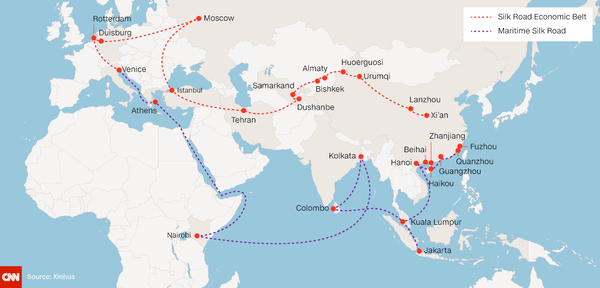
    The Belt and Road Initiative (BRI), also known as the One Belt One Road (OBOR) (Chinese: 一带一路) or the Silk Road Economic Belt and the 21st-century Maritime Silk Road (Chinese: 丝绸之路经济带和21世纪海上丝绸之路), is a development strategy adopted by the Chinese government involving infrastructure development and investments in 152 countries and international organizations in EuropeAsiaMiddle EastLatin America and Africa. The paramount leader of the People’s Republic of ChinaXi Jinping, originally announced the strategy during official visits to Indonesia and Kazakhstan in 2013. “Belt” refers to theoverland routes for road and rail transportation, called “the Silk Road Economic Belt”; whereas “road” refers to the sea routes, or the 21st Century Maritime Silk Road. Until 2016 the initiative was officially known. in English as the One Belt and One Road initiative but the official name was changed as the Chinese government considered the emphasis on the word “one” as being prone to misinterpretation.

    The Chinese government calls the initiative “a bid to enhance regional connectivity and embrace a brighter future”. Some observers see it as a push for Chinese dominance in global affairs with a China-centered trading network.

    Infrastructure Funding Photo credit: Daniel Mennerich on Visual Hunt / CC BY-NC-SA

  • Ninurta Enterprises and Agriplex Vertical Farming

    Ninurta Enterprises and Agriplex Vertical Farming

    Ninurta Enterprises Incorporated (NEI) is a socially conscious and spiritually responsible sustainable engineering consulting firm that provides scientifically engineered solutions addressing the subjects of food, water, energy, housing, clothing, and waste recycling. We are capable of designing multi-tiered, scalable, and cross-platform systems with special focus on self-sustainable indoor vertical farming.

    Vertical farm

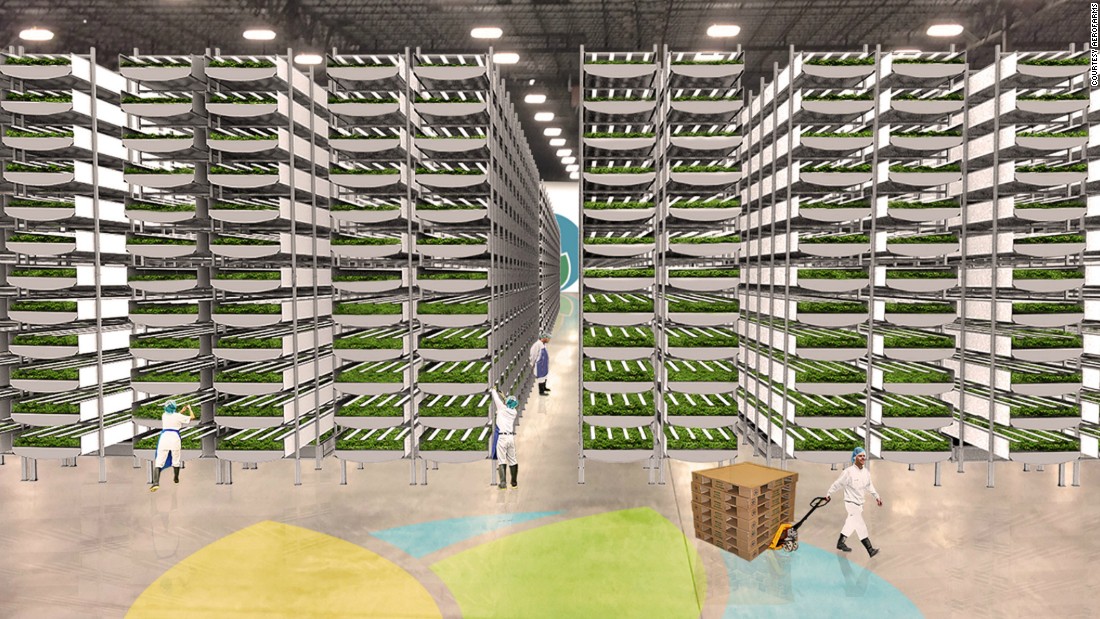
    Lettuce grown in indoor vertical farming system
    Lettuce grown in indoor vertical farming system

    Dickson Despommier is a professor of environmental health sciences and microbiology. He reopened the topic of VF in 1999 with graduate students in a medical ecology class. He speculated that a 30-floor farm on one city block could provide food for 50,000 people including vegetables, fruit, eggs and meat, explaining that hydroponic crops could be grown on upper floors; while the lower floors would be suited for chickens and fish that eat plant waste.

    Although many of Despommier’s suggestions have been challenged from an environmental science and engineering point of view, Despommier successfully popularized his assertion that food production can be transformed. Critics claimed that the additional energy needed for artificial lighting, heating and other operations would outweigh the benefit of the building’s close proximity to the areas of consumption.

    Despommier originally challenged his class to feed the entire population of Manhattan (about 2,000,000 people) using only 5 hectares (13 acres) of rooftop gardens. The class calculated that rooftop gardening methods could feed only two percent of the population. Unsatisfied with the results, Despommier made an off-the-cuff suggestion of growing plants indoors, vertically. By 2001 the first outline of a vertical farm was introduced. In an interview Despommier described how vertical farms would function:

    Each floor will have its own watering and nutrient monitoring systems. There will be sensors for every single plant that tracks how much and what kinds of nutrients the plant has absorbed. You’ll even have systems to monitor plant diseases by employing DNA chip technologies that detect the presence of plant pathogens by simply sampling the air and using snippets from various viral and bacterial infections. It’s very easy to do.

    Moreover, a gas chromatograph will tell us when to pick the plant by analyzing which flavenoids the produce contains. These flavonoids are what gives the food the flavors you’re so fond of, particularly for more aromatic produce like tomatoes and peppers. These are all right-off-the-shelf technologies. The ability to construct a vertical farm exists now. We don’t have to make anything new.

    Architectural designs were independently produced by designers Chris Jacobs, Andrew Kranis and Gordon Graff.

    Mass media attention began with an article written in New York magazine,[citation needed] followed by others,[ as well as radio and television features.

    In 2011 the Plant in Chicago was building an anaerobic digester into the building. This will allow the farm to operate off the energy grid. Moreover, the anaerobic digester will be recycling waste from nearby businesses that would otherwise go into landfills.[

    In 2013 the Association for Vertical Farming was founded in Munich, Germany.

    As of 2014, Vertical Fresh Farms was operating in Buffalo, New York, specializing in salad greens, herbs and sprouts.  In March the world’s then largest vertical farm opened in Scranton, Pennsylvania, built by Green Spirit Farms (GSF). The firm is housed in a single story building covering 3.25 hectares, with racks stacked six high to house 17 million plants. The farm was to grow 14 lettuce crops per year, as well as spinach, kale, tomatoes, peppers, basil and strawberries. Water is scavenged from the farm’s atmosphere with a dehumidifier

    A 2015 study utilized inexpensive metal reflectors to supply sunlight to the plants, reducing energy costs.

    Kyoto-based Nuvege (pronounced “new veggie”) operates a windowless farm. Its LED lighting is tuned to service two types of chlorophyll, one preferring red light and the other blue. Nuvege produces 6 million lettuce heads a year.


    The US Defense Advanced Research Projects Agency operates an 18-story project that produces genetically modified plants that make proteins useful in vaccines

  • Port Alberni Transshipment Hub (PATH)

    Port Alberni Transshipment Hub (PATH)

    Port Alberni Transshipment Hub

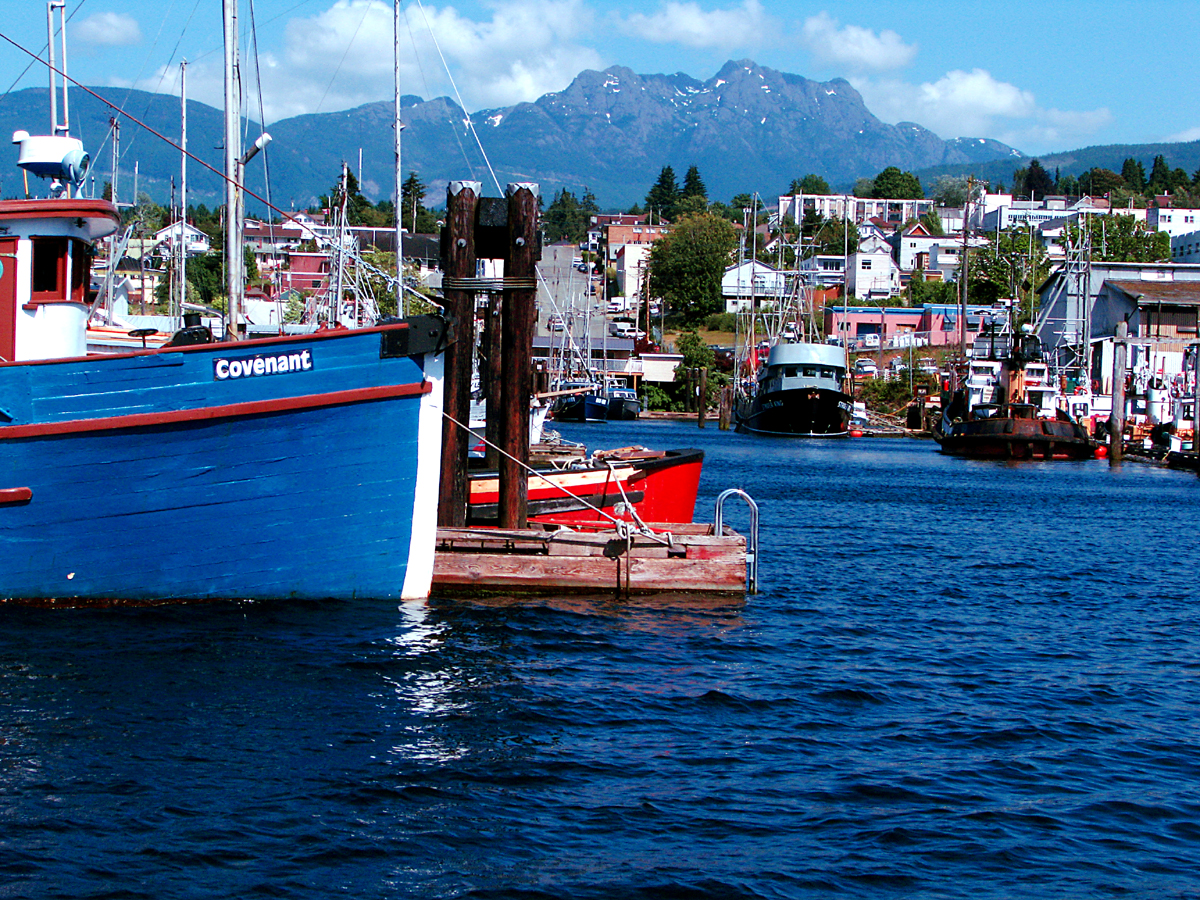
    Port Alberni Transshipment Hub (PATH) project is great for Vancouver as it would remove all ships from Vancouver harbour would be free of eyesores, plus the land in the port of downtown in the city. Clean of docks and cranes, ready to build to the seashore with a view of the mountains across the inlet. The solution is to move the container port to Port Alberni.

    Port Alberni Transshipment Hub (PATH)

    FINAL REPORT|Port Alberni Trans-Shipment Hub (PATH) Feasibility Study Executive Summary The Port Alberni Port Authority (PAPA) has identified an opportunity to develop a container trans-shipment hub to serve markets on the Canadian West Coast, including along the Fraser River, along the North West United States (together the Pacific North West, or PNW), and from there, further inland, including the US Mid-West.

    The project, referred to as the Port Alberni Trans-Shipment Hub (PATH), is premised on a hub-and-spoke container trans-shipment operation concept.The PATH concept envisages a terminal of 400 acres with an annual capacity of 3.5 million TEUs (hub). From PATH, coastal ports and terminals would primarily be served by feeder barge service (spokes). The PATH project could be operational by 2022.

    This report informs a broader assessment of the overall feasibility of the PATH project.

    The rationale for the PATH project is predicated primarily on the following:

    • The PATH facility could accommodate Ultra-Large Container Ships (ULCS) with capacities of over 10,000+ TEUs. Competing ports in the PNW, including Vancouver, Seattle and Tacoma, are also expected to be capable of handling ULCS swith future equipment investment, though the PATH facility could potentially be an early mover in accommodating ULCSs.
    • Automation of terminal activities, with crane capabilities of 40 to 45 container moves per hour as contemplated at PATH, can lead to significant productivity, efficiency and associated cost advantages relative to competing terminals in the PNW, which are currently not automated. Being the first automated terminal in the PNW could provide PATH with a relative advantage in receiving ULCSs, specifically, since these ships tend to call at terminals with efficient unloading/loading operations.
    • Port Alberni is closer to Asia compared to Vancouver, Seattle and Tacoma. The PATH concept could allow an efficient in and out to ocean ships in a single PNW call (full unload/load, for dedicated PNW services),avoiding the deviations and navigation time between ports to load and unload, and allowing the ocean ships to quickly make the trip back and forth to and from Asia. These advantages could potentially extent to ships sailing onward to Pacific South West (PSW) ports.
    • The feeder barge and/or short sea shipping (SSS) operations serving PATH could spread regional container handling capacity over a large number of coastal and inland terminals along the Fraser River and reducehinterlandcongestion, particularly by avoiding, reducing and spreading truck transportation (drayage) in the BC Lower Mainland.This could in turn go some way in mitigating negative externalities associated with congestion in the region.
    • The PATH project can also be viewed as a potentially lower cost option to investing in new container terminal capacity in BC’s Lower Mainland (at Robert’s Bank Terminal 2), or as a longer term option for increasing the capacity of the Asia-Pacific Gateway and Corridor, once new terminal capacity in the BC Lower Mainland becomes fully utilized.
    • The PATH facility could also provide greater resiliency for the Asia-Pacific Gateway and Corridor, by providing an additional facility capable of handling co

    Report Link: Port Alberni Trans-Shipment Hub (PATH) Feasibility Study

    Examination of Strategic & Business Requirements

    Traffic Forecasts

    Potential Logistics Cost Advantages

    Economic Impacts and Other Benefits

    Port Alberni Photo credit: alaskapine on VisualHunt / CC BY

  • Red Earth Consultants

    Red Earth Consultants

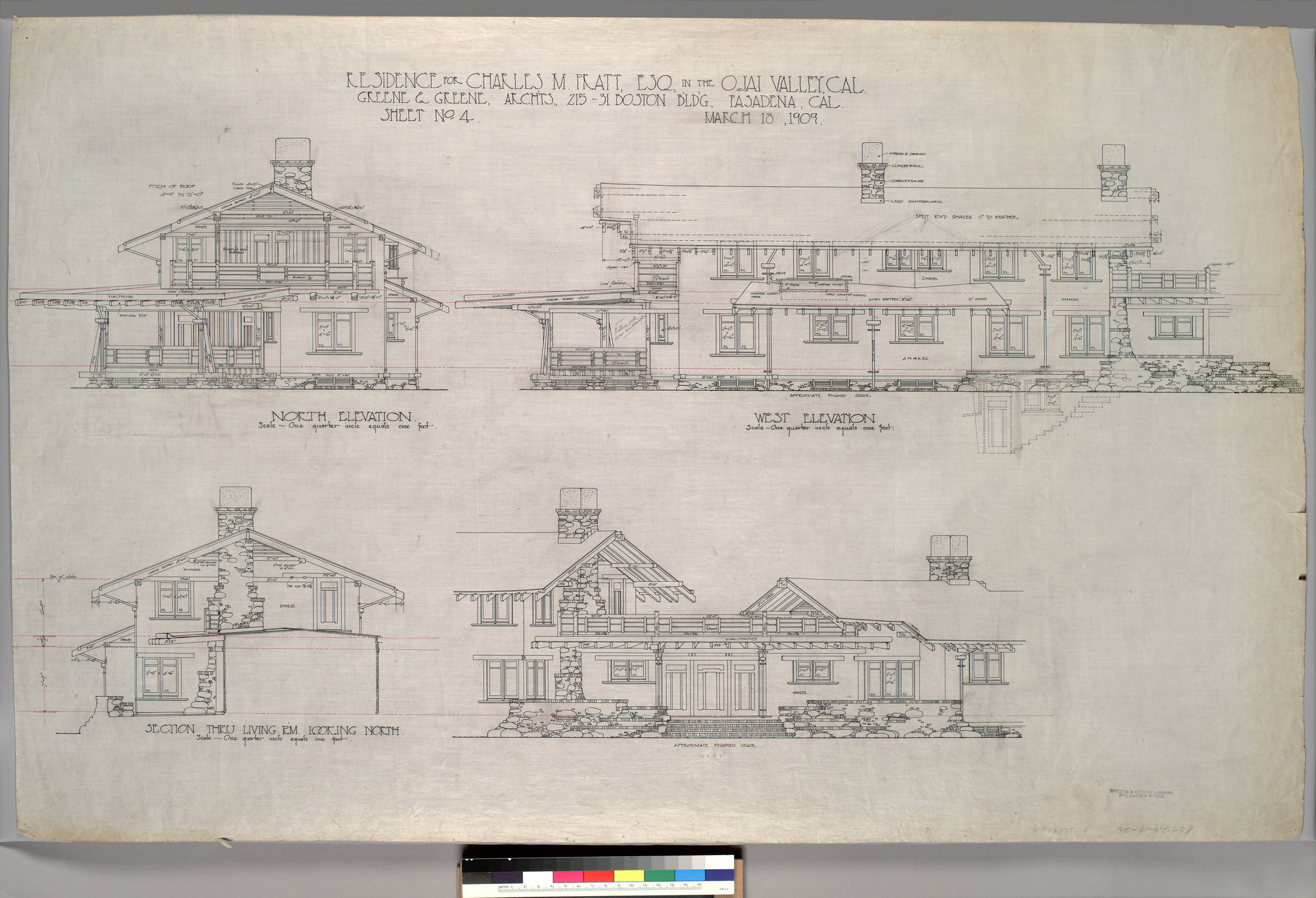
    Red Earth Consultants -North elevation, west elevation, section through living rm. looking north, approximate finished grade west, residence for Charles Millard Pratt (GGUSC-Pratt-208)

    Transforming the lives of Indigenous Communities.

    Empowering Indigenous communities to succeed on their own terms in today’s global environment.

    Drawing on the wisdom, knowledge, strengths, and collective experiences of First Nations’ communities to create innovative housing solutions.

    To certify the Modular Homes for sale in Canada, manufactured in China meet the highest standards, Red Earth Consultants apply for approval.

    The CSA A277 Standard is a Certification Standard (not a building code). This Standard is used to certify the residential building is in compliance to the building code it is required to comply within the jurisdiction where the home / building will be sited. CSA A277 can be used to certify compliance with the Japanese Building Code, the UK Building Code, the National Building Code of Canada, the Ontario and the Alberta Building Codes, etc.

    In the case of Alberta, all homes must meet the Alberta Building Code and therefore, the A277 Standard. Whenever a home is constructed in a manufacturing facility for placement in Alberta, it must be confirmed for compliance to the Alberta Building Code by labels in each home Certifying compliance under the CSA A277 Standard and Alberta Municipal Affairs.

    North Carolina Opportunity

    Demand for disaster recovery homes in North Carolina has escalated due to hurricane damage and loss, so Red Earth Consultants created an Alliance with a U.S. team seeking modular homes and a Government Approved strategy, to include two home types, modelled for disaster recovery, a workforce home (2 bedroom Bungalow) and an emergency response office on wheels, also known as a “tiny house”.

    Proponents:

    Red Earth Consultants LLP: President: John Delorme M.Ed. Leadership

    Vancouver International Consulting Group President: Leon – P.Eng.

    Red Earth Consultants Photo credit: on Visual Hunt / CC BY

  • Silicon Palms Kaizen

    Silicon Palms was always a kaizen concept as a business, developing websites is what we set-out to do. Design and develop online company start-ups. The original dream for the company faded over time and Silicon Palms became more of a web administrator and lost it’s start-up level spirit. The company needed some exciting new ideas and that’s exactly what we got. Recently we started designing a new strategy to sell Silica and Silicates, so we’re exploring opportunities related to resource mining and commodity trading, of Silica from South America.

    Kaizen in kanji

    Kaizen-2.svg
    By Majo statt SenfOwn work, CC BY-SA 4.0, Link

    Meanwhile Silicon Palms is involved in cryptocurrency trading and the promotion of Bitcoin, Blockchain and Cryptocurrency (more about this in the near future).

    The projects we’ve developed and the businesses we built will remain with us, as Silicon Palms metamorphoses into it’s own Brand, while enacting Kaizen on it’s core-purpose to begin transformation towards the next level and into new markets.

    kai·zen
    ˈkīzən/

    The Japanese word kaizen simply means “change for better”, with inherent meaning of either “continuous” or “philosophy” in Japanese dictionaries and in everyday use. The word refers to any improvement, one-time or continuous, large or small, in the same sense as the English word “improvement”. However, given the common practice in Japan of labeling industrial or business improvement techniques with the word “kaizen”, particularly the practices spearheaded by Toyota, the word “kaizen” in English is typically applied to measures for implementing continuous improvement, especially those with a “Japanese philosophy”.

  • The Art of Speculation

    The Art of Speculation

    That title belongs to a book written by a man I met online and by telephone, for the first time, over ten years ago. His “pen name” is Arthur Fixed and the full title of the book is “The Art of Speculation During Civil War” with the byline; “Sun Tsu meets Jesse Livermore” but I know the old man (he’s 72) as Alex.

    Alex graduated from Harvard in 1964, with a PhD in Law. It’s important to note that he was an immigrant to the U.S, so English was a new language for him as well, added to that, back in those days the policy was that 33% of Harvard students (each year) did NOT pass (nowadays almost everyone makes the grade). Getting a Harvard degree is still a major accomplishment, but in 1964 to come-out, while in your mid-twenties, with a PhD, is a monumental achievement. Alex would prove again and again that he was an over-achiever. This is an excellent guide I’ve read so far.

    Harvard was just the start of what would become an illustrious and highly successful, albeit very diverse career, spanning over five decades. At one point in his journey Alex developed an interest in economics and the stock market. Like everything else with Alex, if there was a point to doing something, then there was a point to over-doing-it, he immersed himself in the academics of money, finance, and stock market trading. What made his approach slightly different was his strict belief in the teachings of the Austrian school of economics by Ludwig Von Mises and even more influenced in his thinking by Mises protégé Murray Rothbard with his famous tome called “Man, Economy and State”.

    For sure Alex was not the first trader to have a penchant for Mises and Rothbard, truly it’s probably more the norm, for anyone involved with the stock market to have a strong belief in the Austrian economic doctrine, but not like Alex. This ideology was much more than just ideas to Alex, this was the code for economic law. As clear as physics and as predictable as chemistry. According to him, the way to understand the stock market scientifically is to apply the principles of economic law, create multiple methods of observation and analysis. Then using reason and logic, based on having enough data from observation, to then formulate assumptions, that which when acted upon in the correct manner, will create the same results (in similar market situations), over and over again.

    Alex’s hypothesis is that when economic law is applied to the markets, the end-result is as obvious as gravity.

    In 1987 Alex had the opportunity to apply his theory and methods, against a market that suffered a full year of decline. Starting with a trading account of $10,000 USD he began his speculation, one year later he had grown the account to $5.5M. The critical factor was the size of the correction in the market because that is the crux of understanding the economic law as it relates to stock prices. See, according to Rothbard, in the aspects of his book that refer to “man”, that all value is subjective and prices of everything will rise and fall, knowing what to do about it and when is the key and that’s where Alex embellished upon Mises and Rothbard to push the science beyond where it stopped.

    The year 2016, according to Alex and personified by Arthur Fixed in the “Art of Speculation During Civil War”, has all the hallmarks of a market cycle where the subjective value of the stock market changes (or corrects), as well as the subjective values of all currencies and commodities. To set-up the circumstance, where economic law mimics gravity and when specific option trading methods are applied, a very predictable outcome is recreated, again and again, until the correction is over.

    Alex invited me to join him and learn how to make a fortune on speculation by trading options. The account was opened months ago but we had to wait until the science (observation and measurement) told us to start. We’re on!