Tag: Book of Enoch

  • A Digital Soldier in a Spiritual War

    A Digital Soldier in a Spiritual War

    In the battle of good versus evil, it’s information that wins. I believe that in the beginning was the Word, and the Word was with God, and the Word was God. This is where the battle begins.

    The war of words started with the forbidden fruit, as it would seem that innocent souls are gullible. Evil was able to manipulate the words, change the meanings and deceive the good to ignore God. Ever since that day in the garden, evil has been changing the words or when that wasn’t enough, finding ways to completely omit entire sections of the truth.

    In modern times words are used to deceive innocent children that it’s okay for a boy to become a girl, or a girl to become a boy. Words have been used to instill fear on the masses. Fear of climate catastrophe. Fear of death from an invisible air-born virus and fear of Atomic energy, just to mention a few deceptions.

    To survive this info-war, a digital soldier must seek knowledge and wisdom for ourselves. Otherwise we become captured in mental slavery. Our emotions cause us to react and become aggressive towards opposing ideas. Evil wins, when confusion rules.

    Divide and conquer is the tactic of evil in a Spiritual War

    The battle of good versus evil is ancient, the history of mankind is written by the editors of the scriptures. Whomever could control the writing of the books, held the upper-ground in the war. The Roman empire wasn’t able to defend all of it’s conquered territories against so many invading hordes, as there were just too many fronts. Christianity was so compelling that it was converting Roman citizens, so one ruler had the great idea to take the concept and re-write it for the Romans.

    To this very day we are suffering from the misinformation of the Romans. History was written by the victors.

    The Roman Emperor Diocletian burned thousands of copies of the Bible, commanded that all Bibles be destroyed and decreed that any home with a Bible in it should be burned. In fact, he even built a monument over what he thought was the last surviving Bible.

    Constantine I was one of the famed emperors of Rome and the first to profess Christianity. He ruled during the 4th century, and some of his important accomplishments include his support of Christianity, construction of the city of Constantinople, and the continuance of the reforms of Diocletian.

    Many fantastic churches were built during the reign of Constantine, and some pagan temples were limited. Despite this, it is not obvious that Emperor Constantine was a very committed Christian, and he would continue to venerate the sun god, Sol Invictus, for most of the first half of his reign.

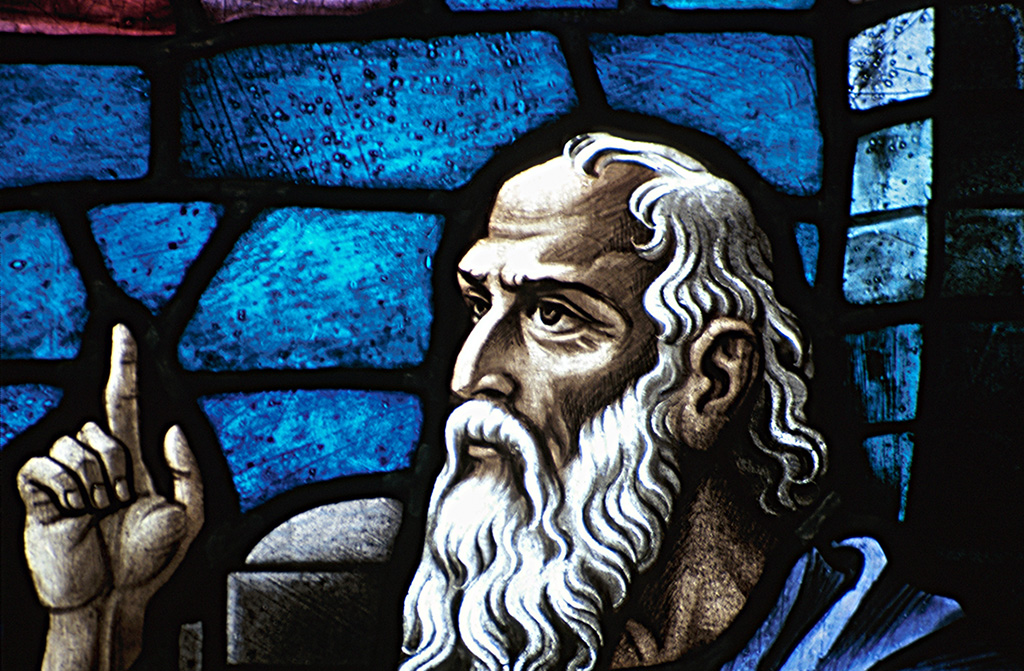
    Enoch walked with God but was removed from the Bible

    In the New Testament, Enoch is referenced in the Gospel of Luke, the Epistle to the Hebrews, and in the Epistle of Jude, the last of which also quotes from it and yet it was removed from the Bible. Even before the Romans changed the scriptures, the book of Enoch was removed.

    As a digital soldier in a spiritual war, we need to practice discernment. Consider that all information may be manipulated.
  • Book of Enoch

    Book of Enoch

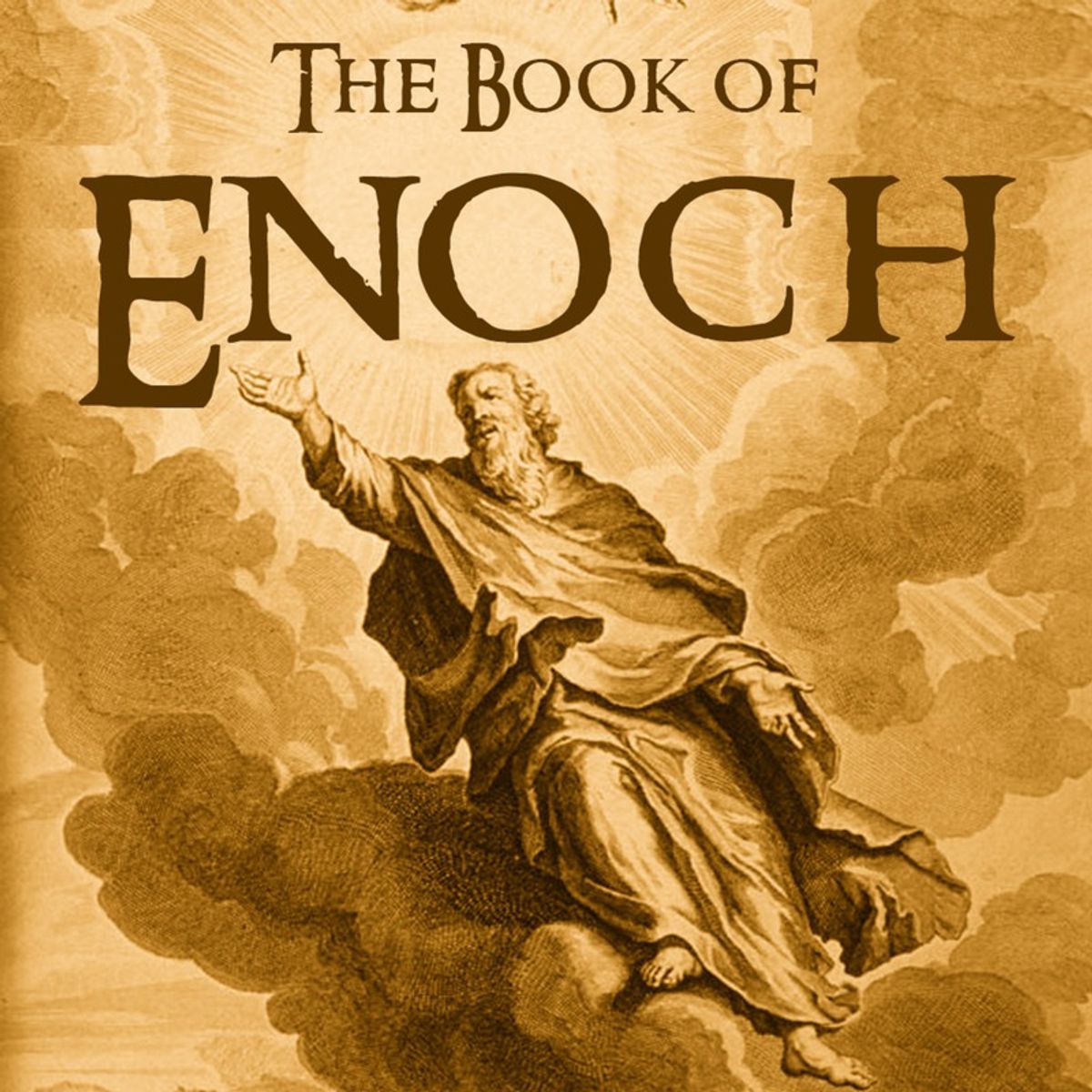
    The Book of Enoch is unto itself a most important read, not only for it’s historic significance but primarily for it’s testimony of gods beyond our imaginations (without these teachings). It’s fun and easy to read, there’s many free options but here’s the main: https://book-ofenoch.com/

    The Book of Enoch (also 1 Enoch; Ge’ez: መጽሐፈ ሄኖክ maṣḥafa hēnok) is an ancient Hebrew apocalyptic religious text, ascribed by tradition to Enoch, the great-grandfather of Noah.

    Enoch contains unique material on the origins of demons and giants, why some angels fell from heaven, an explanation of why the Great Flood was morally necessary, and prophetic exposition of the thousand-year reign of the Messiah.

    The older sections (mainly in the Book of the Watchers) of the text are estimated to date from about 300–200 BCE, and the latest part (Book of Parables) probably to 100 BCE.

    Various Aramaic fragments found in the Dead Sea Scrolls, as well as Koine Greek and Latin fragments, were proof that The Book of Enoch was known by Jews and early Christians. This book was also quoted by some 1st and 2nd century authors as in the Testaments of the Twelve Patriarchs.

    Authors of the New Testament were also familiar with some content of the story. A short section of 1 Enoch (1:9) is cited in the New Testament, Epistle of Jude, Jude 1:14–15, and is attributed there to “Enoch the Seventh from Adam” (1 En 60:8), although this section of 1 Enoch is a midrash on Deuteronomy 33:2. Several copies of the earlier sections of 1 Enoch were preserved among the Dead Sea Scrolls.

    It is not part of the biblical canon used by Jews, apart from Beta Israel (Ethiopian Jews). Most Christian denominations and traditions may accept the Books of Enoch as having some historical or theological interest and while the Ethiopian Orthodox Tewahedo Church and Eritrean Orthodox Tewahedo Church consider the Books of Enoch as canonical, other Christian groups regard them as non-canonical or non-inspired.

    It is wholly extant only in the Ge’ez language, with Aramaic fragments from the Dead Sea Scrolls and a few Greek and Latin fragments. For this and other reasons, the traditional Ethiopian belief is that the original language of the work was Ge’ez, whereas modern scholars argue that it was first written in either Aramaic or Hebrew; Ephraim Isaac suggests that the Book of Enoch, like the Book of Daniel, was composed partially in Aramaic and partially in Hebrew.

    No Hebrew version is known to have survived. It is asserted in the book itself that its author was Enoch, before the Biblical Flood.

    The most complete Book of Enoch comes from Ethiopic manuscripts, maṣḥafa hēnok, written in Ge’ez; which was brought to Europe by James Bruce in the late 18th century and was translated into English in the 19th century.

    Book of Enoch excerpt photo credit: Extrait du Livre du Prophète Hénoc écrit dans l’ancienne langue d’Abyssine / Nord Éthiopie